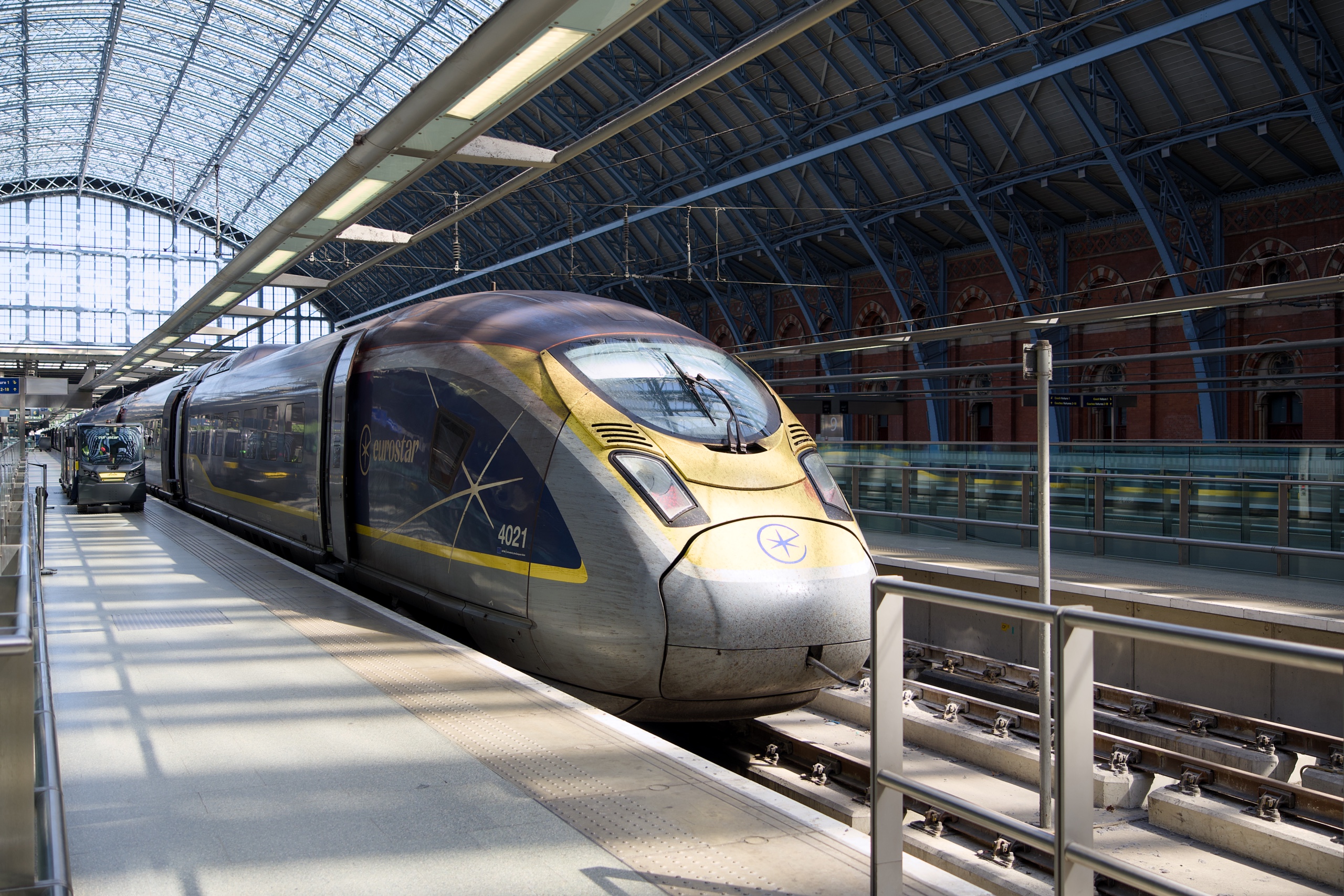
Fifteen hours before my train from Paris to London, Eurostar canceled it.
I had booked the trip back in March. By July, our five days in London were fully planned, the hotel was paid for, and I was literally packing my bag when the cancellation email arrived.
Eurostar offered a refund or the option to change trains. The problem was that every train for the next three days was already sold out.
There were three of us traveling, so simply staying in Paris for another three days was not an option.
I called Eurostar customer service several times. An automated message said they would not discuss canceled trains and told affected passengers to use the app instead.
I also contacted Eurostar through its online support. The reply eventually came by email more than 30 days later, apologizing for the inconvenience.
By then, our London trip was long over.
So I spent hours refreshing the booking page.
Finally, three seats appeared on a train leaving the same morning we were originally supposed to travel. I booked them immediately before they disappeared again.
We made it to London.
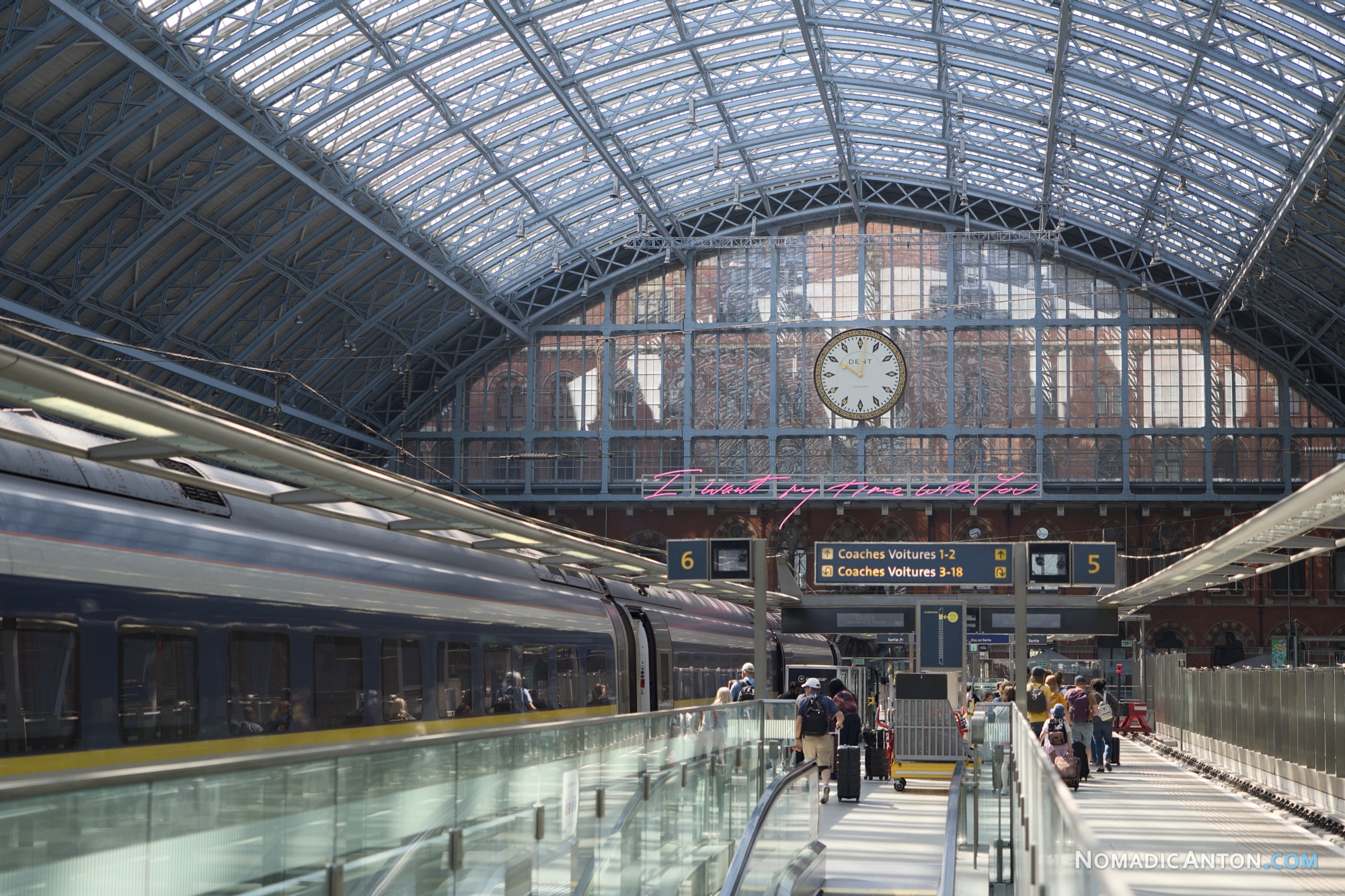
I still have no idea why those seats became available. Maybe someone canceled. Maybe Eurostar released them. Whatever happened, refreshing the booking page turned out to be more useful than customer service.
I have traveled by train in China, Japan, Thailand, Ukraine, Portugal, Poland, the United States and plenty of other countries. I have had delays and cancellations before. I do not expect every journey to go perfectly.
But this one felt different.
Usually, when a train is canceled, there is another departure, replacement transport or at least someone trying to help passengers get where they are going.
Eurostar technically gave me the option to rebook, but there were no trains available to rebook onto.
That is not much of an option when your hotel is already booked in another country.
The strange thing is that I have no problem with the train itself.
The seats are comfortable, there is enough luggage space, and the journey is fast. Going directly from central Paris to central London is also far more convenient than flying.
If everything runs normally, I would happily take Eurostar again.
My issue is with the company behind the journey. When something goes wrong, good customer service matters just as much as a comfortable seat.
That experience changed how I see Eurostar.
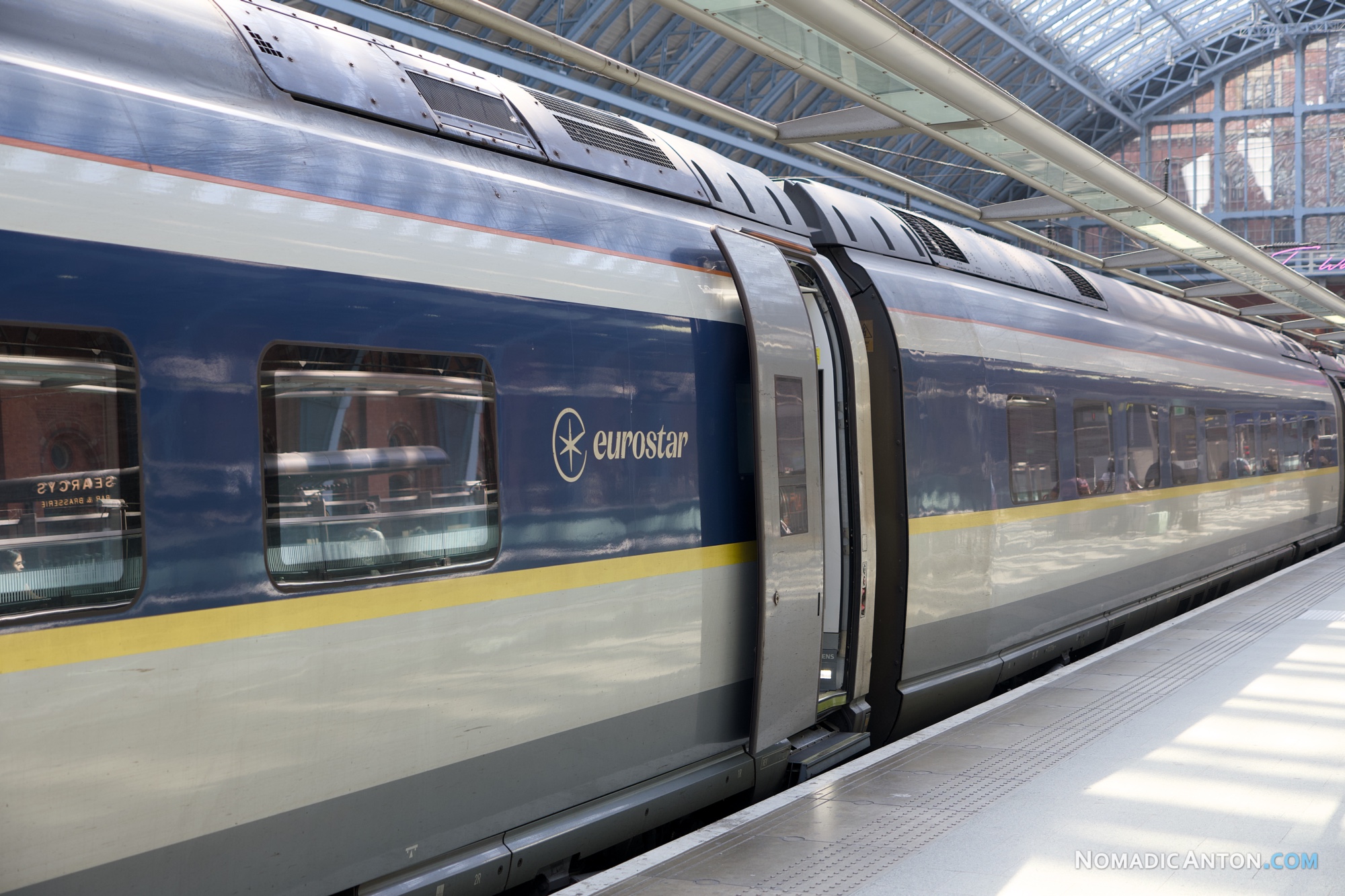
Eurostar services through the Channel Tunnel began in 1994. More than 30 years later, Eurostar is still the only international passenger train operator using it.
And Eurostar is not exactly known for being cheap.
Transport & Environment, a European transport NGO, ranked 27 European rail operators in 2024. In its updated ranking, Eurostar came last, with an overall score of 4.7 out of 10 and a reliability score of 3.8. T&E also found that Eurostar tickets were almost twice as expensive as those of other European operators on routes of comparable length.
Of course, Eurostar is not an ordinary domestic railway. Running international trains through the Channel Tunnel comes with costs that many other European operators do not have.
But passengers have still had almost no direct alternative.
If Eurostar was too expensive, sold out or simply did not provide the service you wanted, there was no second company offering the same direct train between London and continental Europe.
What makes this especially strange to me is the European Union’s attitude toward competition. The EU regularly challenges dominant companies when consumers have too little choice.
Yet on one of Europe’s busiest international rail routes, passengers have effectively had one operator for more than 30 years.
I find that hypocritical. If competition is supposed to protect consumers, why was this situation allowed to continue for so long?
Things may finally be changing.
On August 17, 2026, Britain’s Office of Rail and Road preapproved a framework agreement allowing Virgin Trains to use HS1. The agreement could support up to 20 daily return services between London and Paris, Brussels or Amsterdam from October 1, 2030.
There is still a long way to go. Virgin needs access to the Channel Tunnel and European rail networks, as well as the necessary safety approvals, before any of those trains can actually run.
Trenitalia France, Evolyn and Gemini Trains have also announced plans for international services through the Channel Tunnel, although their projects are at different stages.
I am not expecting several new operators to appear anytime soon. But even one serious competitor would finally give passengers another option.
It might also give Eurostar a reason to improve.
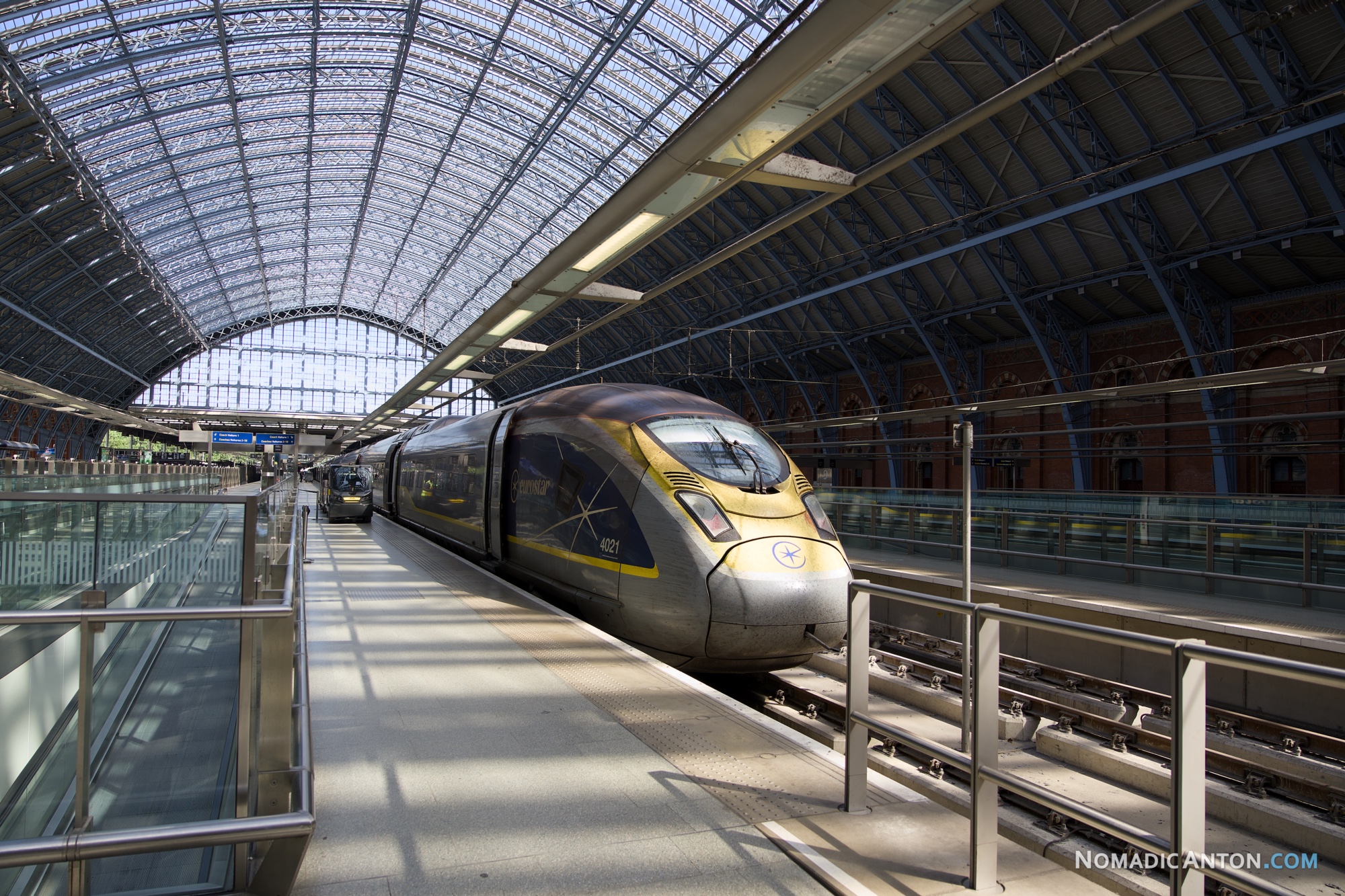
I still think the train is the best way to travel between Paris and London. I would much rather spend a little over two hours going from one city center to another than deal with airports.
But after this experience, I would think twice before relying on Eurostar for a trip where arriving on time really matters.
I like the train.
I just wish there were another company I could choose.