My trip to Japan was supposed to happen in spring 2020. I booked tickets for cherry blossom season, and everything was sorted. Then COVID pandemic cancelled all of it. Six years later, I finally made it to Tokyo.
One of the first things I noticed about the city was how organized it is. There’s an unspoken code in Japanese society that works without anyone enforcing it. People queue without being told to, nobody talks on the metro, and the streets are spotless despite almost no trash bins anywhere in sight. People just pocket their rubbish and deal with it later. The city is also very much in its own world. Nobody bothers you, nobody intrudes. As an introvert, I found that easy to be around.
On this trip I decided to stay only in Tokyo, which was fine. One city was enough to understand why people keep coming back, and I left already thinking about when I could come back and explore other parts of Japan.
I came to Tokyo with a kid whose birthday was coming soon, so the first two days we went to theme parks: Tokyo DisneySea on day one, Tokyo Disneyland on day two. I’d have spent both days in the city if I could, but DisneySea earned its reputation. It’s the only Disney park built on a completely original concept, with seven port-themed areas unlike anything at other Disney properties around the world. If you’re picking one park in Japan, that’s the one.
That left me three days for the city, which felt short from day one. Tokyo is a big metropolis. Getting between neighborhoods by metro takes 30 to 40 minutes each way. Popular tourist attractions need to be booked in advance. You can do a lot in three days, but you’ll finish with a longer list of things you didn’t get to do, just like me.
Tokyo Tower
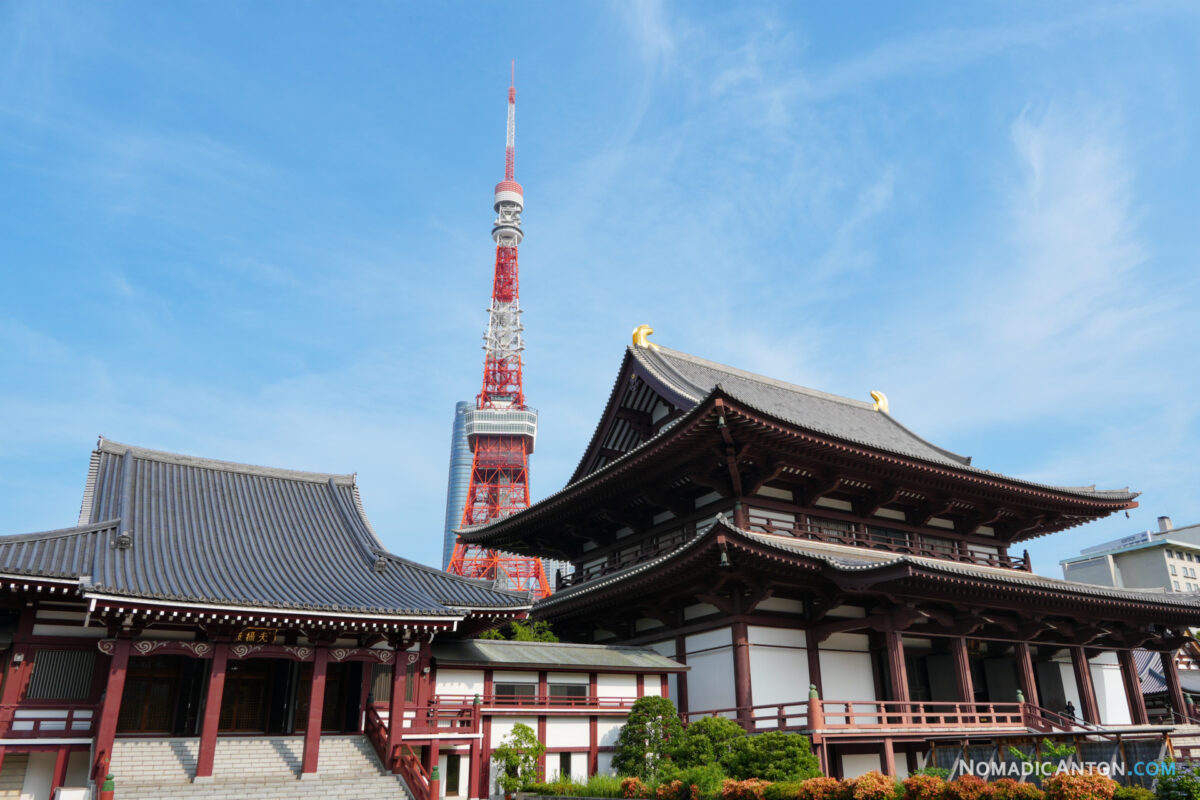
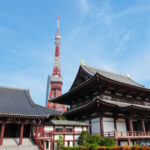
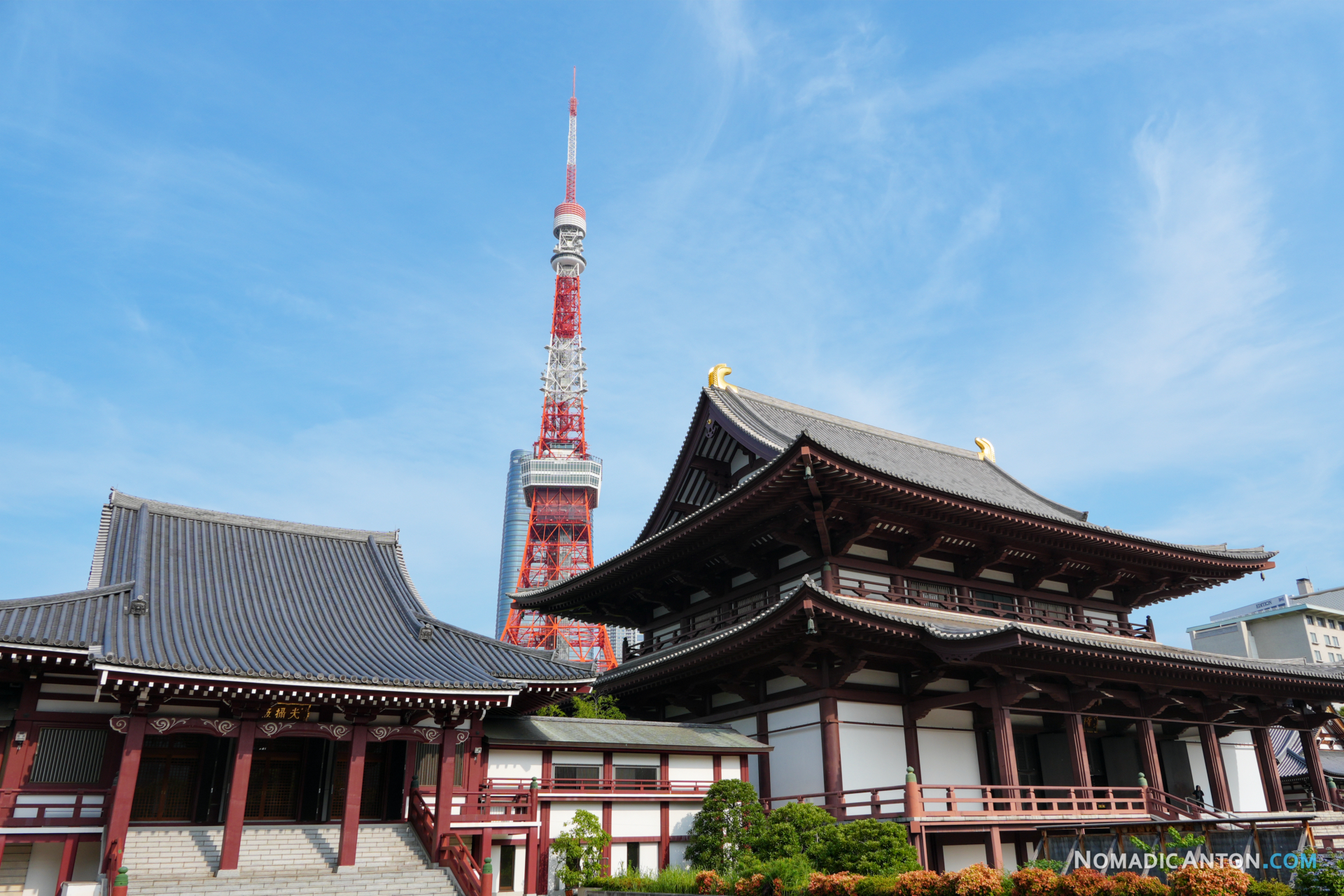
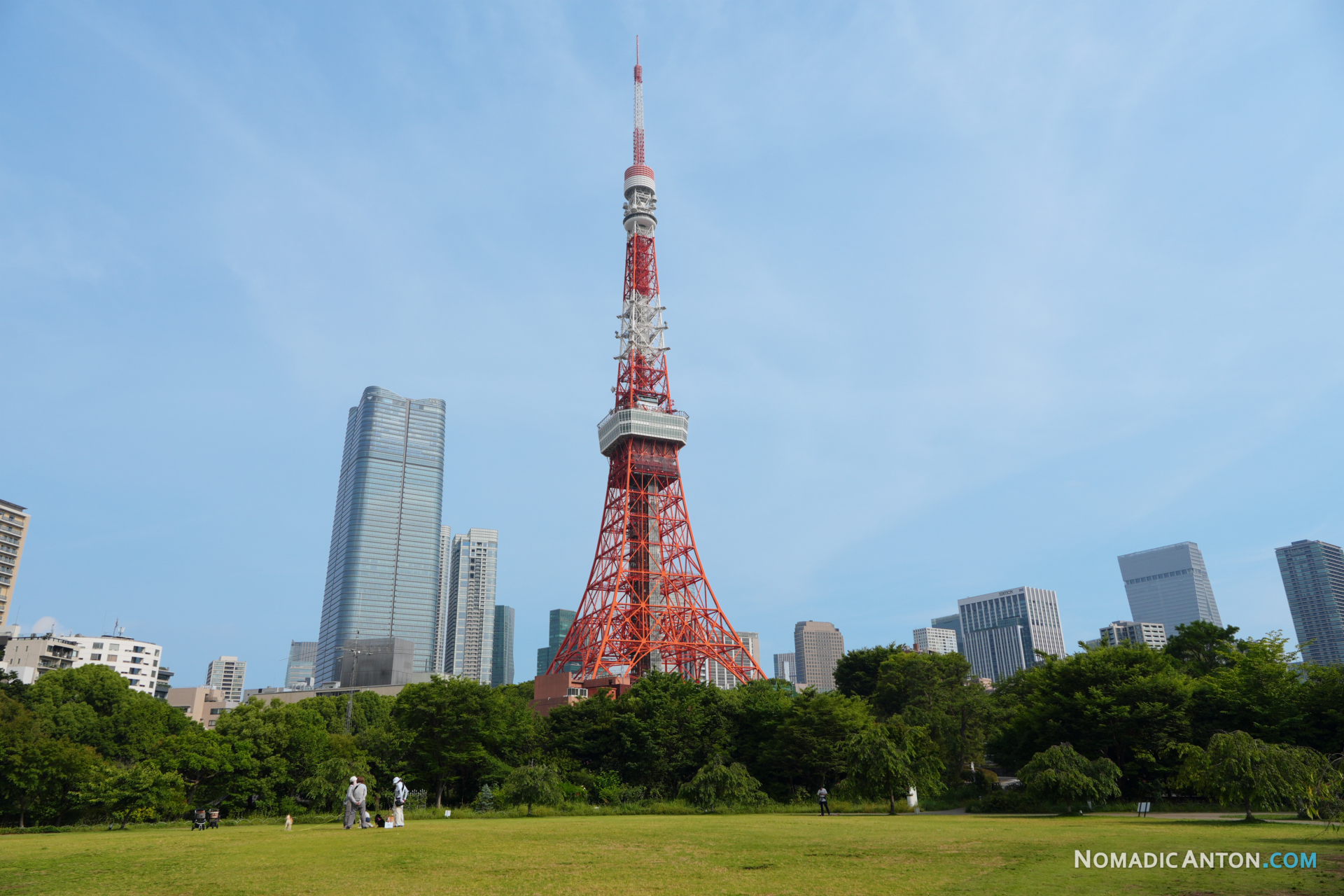
I got there early, before the city was fully awake. The park in front of the tower had almost no one in it: a few runners, a couple of dog walkers. Tokyo Tower stands 332.9m (1,092ft), finished in 1958, modeled after the Eiffel Tower and painted in the same red-and-white. The resemblance is obvious and intentional. At that hour it was a quiet, easy start to the day.
Shibuya
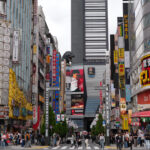
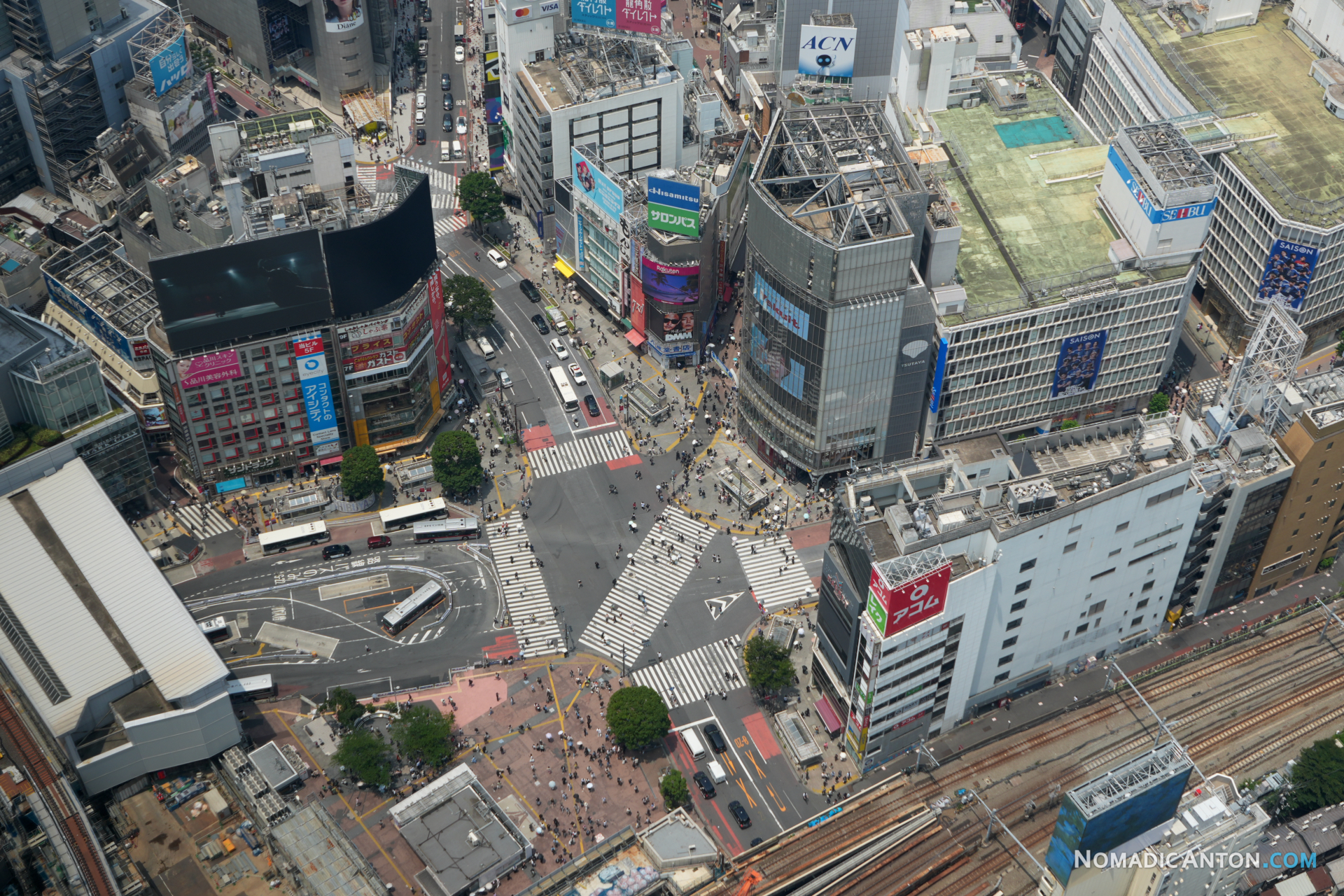
I crossed the Scramble more than once, just to do it. Around 3,000 people cross from all directions at the same time when the lights change, and it somehow stays orderly. After the crossing I went through the surrounding department stores. Floor after floor of fashion, food, cosmetics, homeware. The kind of place you walk into for twenty minutes and come out an hour later.
Shibuya Sky
Shibuya Sky is the rooftop observation deck on top of Shibuya Scramble Square, at 229m (751ft). The outdoor space is well laid out and the view over the city is 360°. The day I visited was hazy, though, and Mount Fuji, which you can see on clear days, wasn’t there. Go on a clear day, and go at sunset.
Harajuku
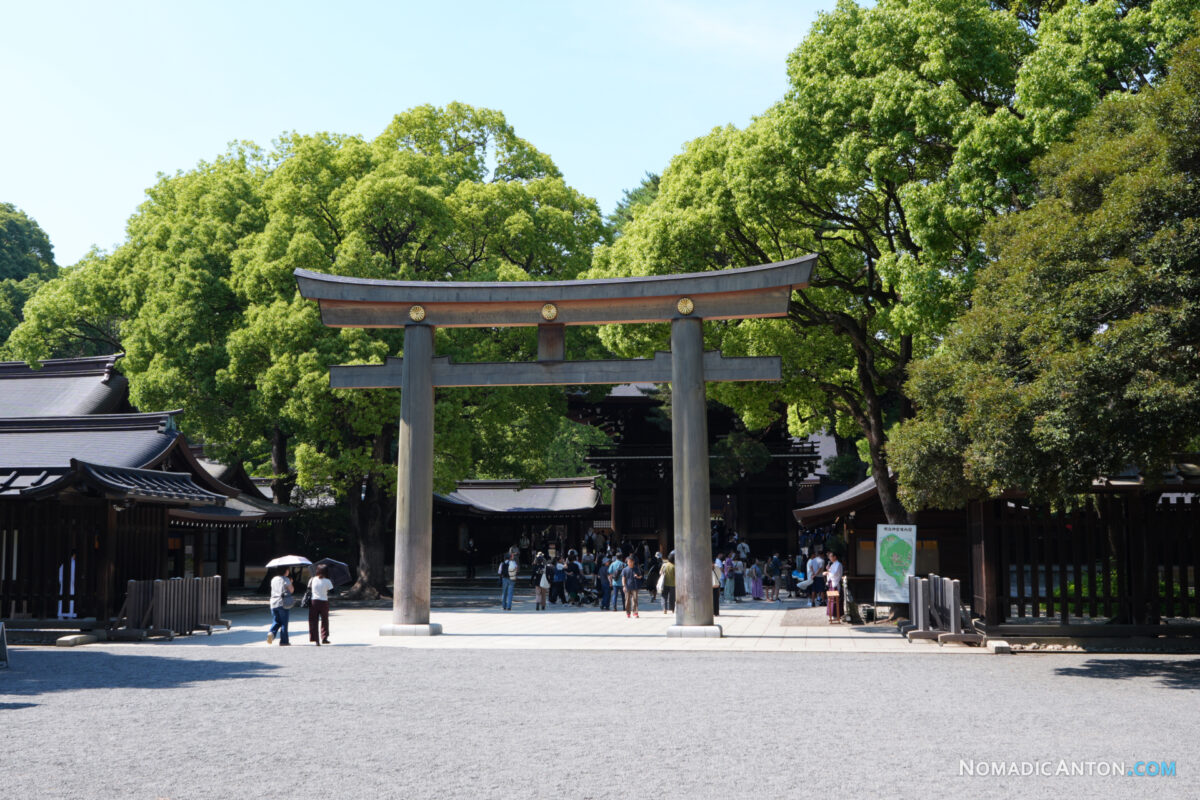
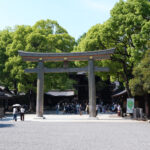
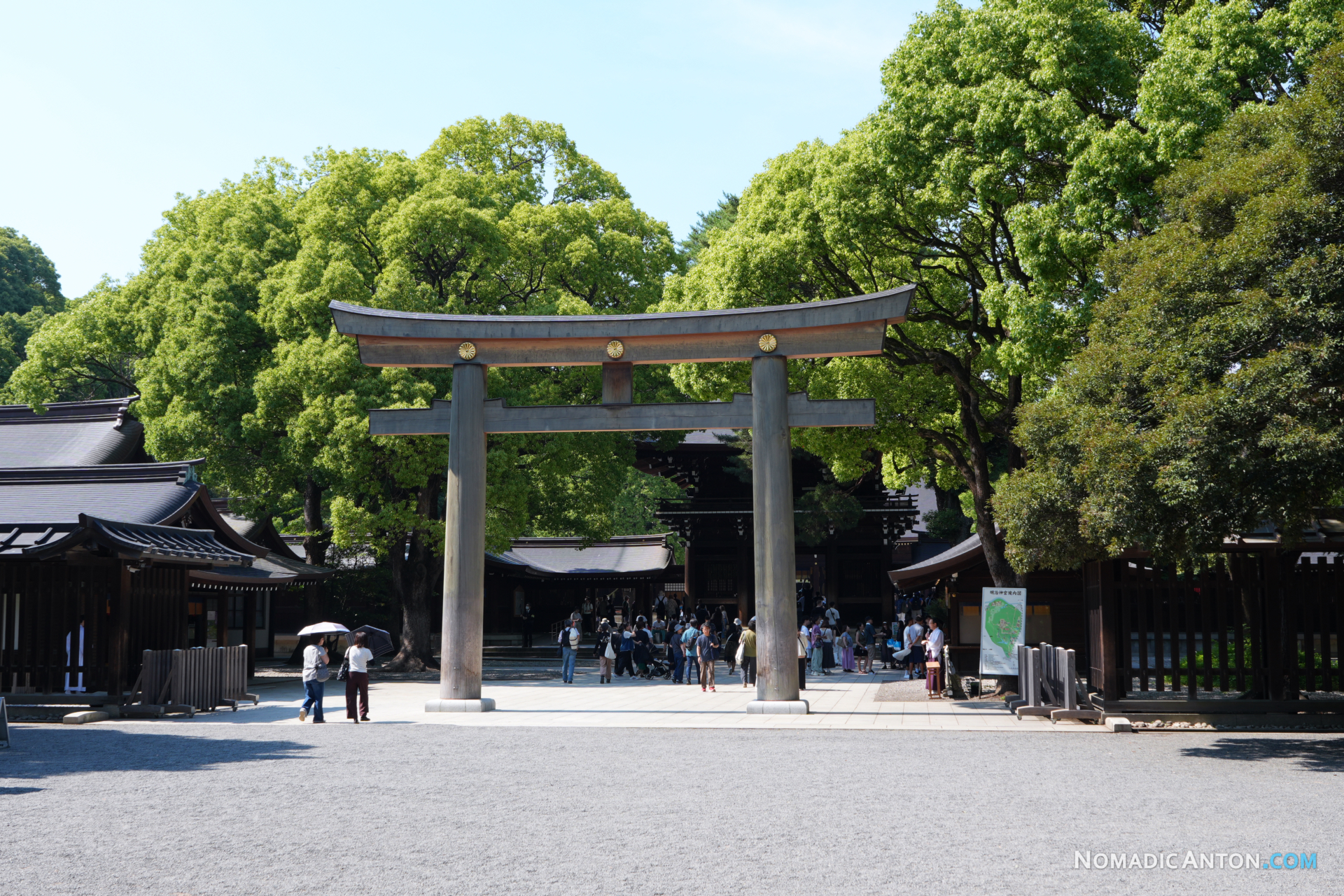
One stop from Shibuya on the Yamanote line. One side has Yoyogi Park and Meiji Jingu, a Shinto shrine dedicated to Emperor Meiji. It is set in forested grounds that feel like it is completely outside of the city. The other side is Takeshita Street with boutiques and snack stalls. I spent some of my time there, including a long stop at @cosme Tokyo, Japan’s largest cosmetics store. Walk in knowing your budget.
Shinjuku
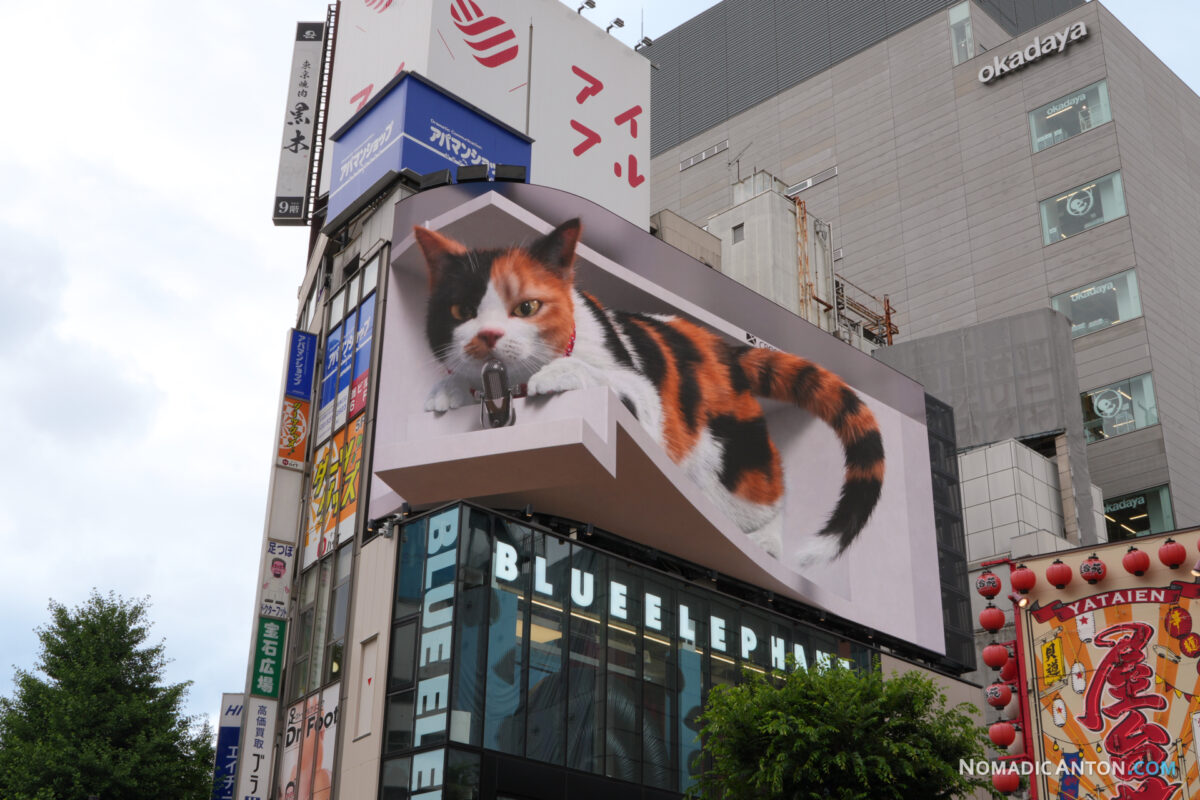
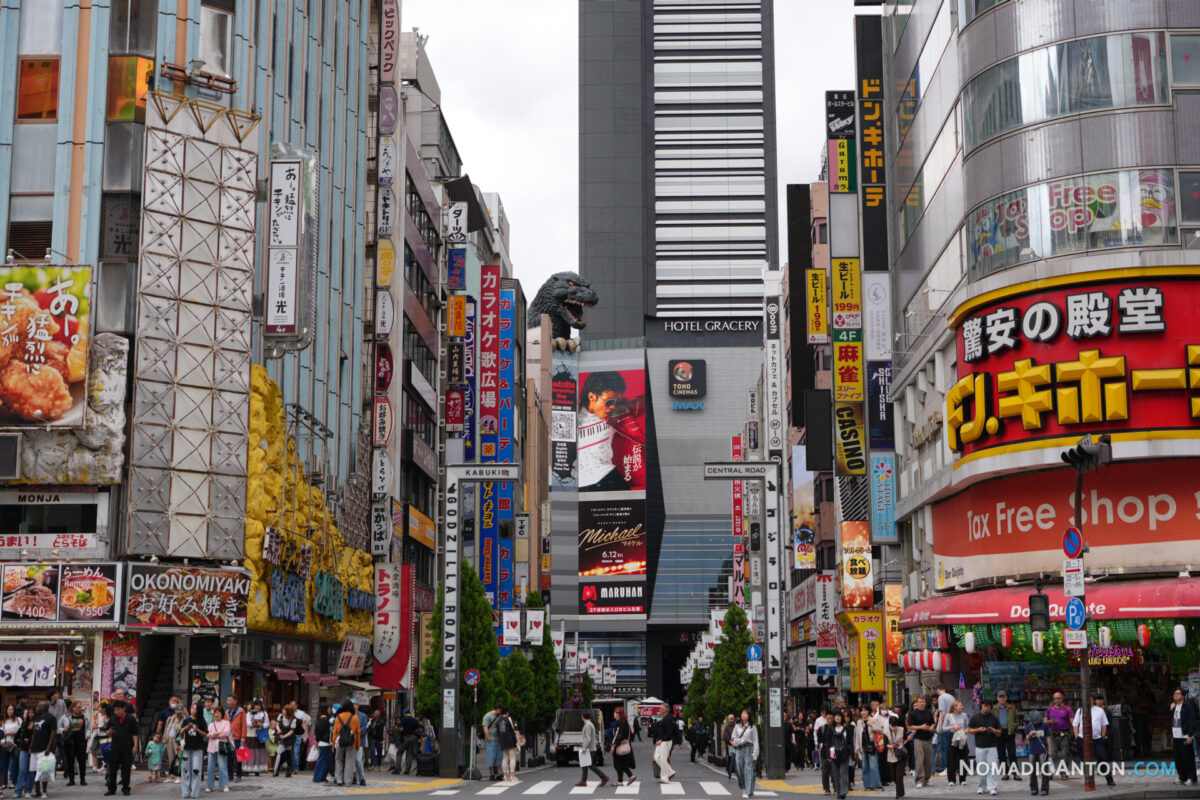
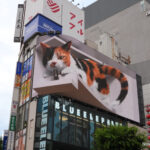
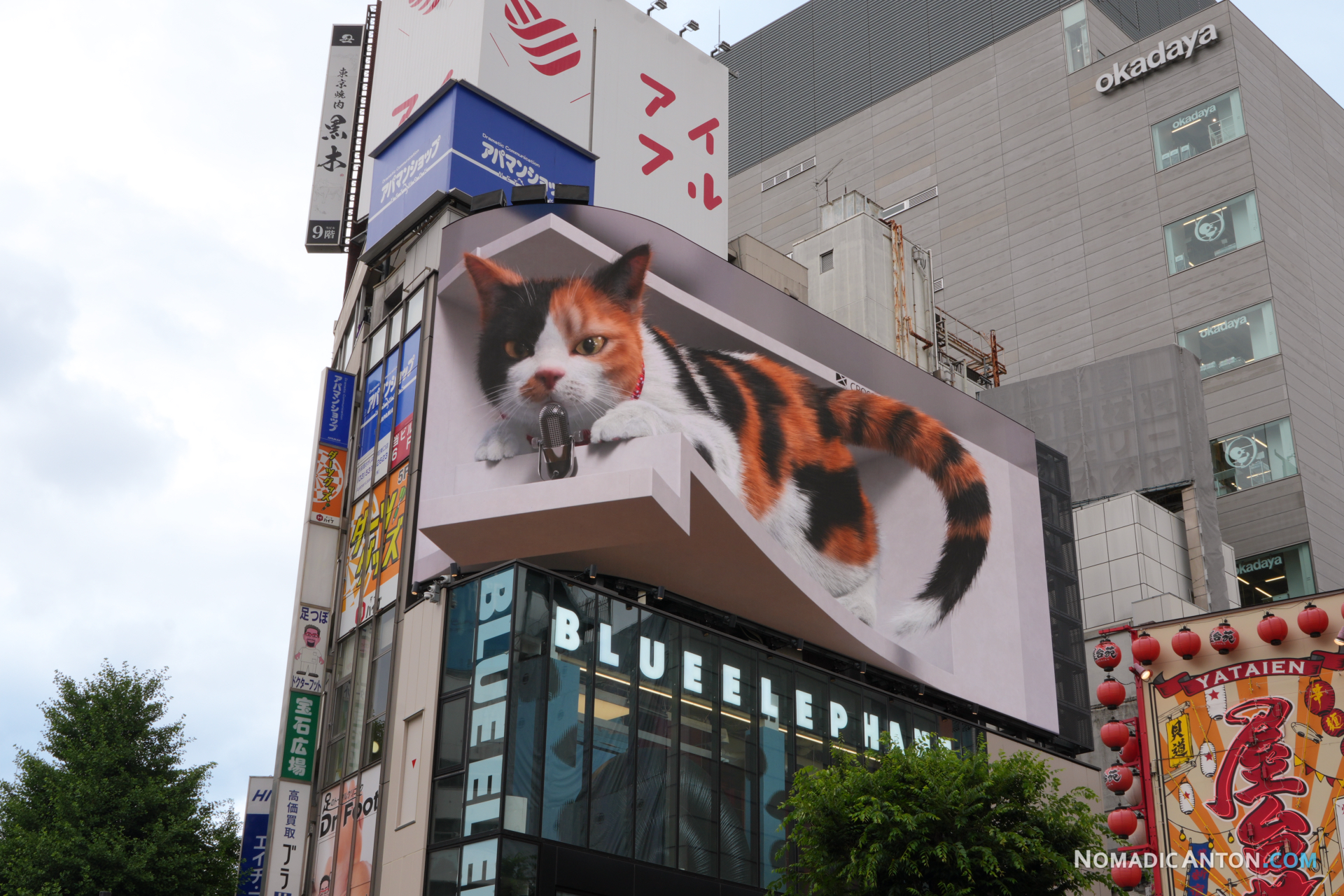
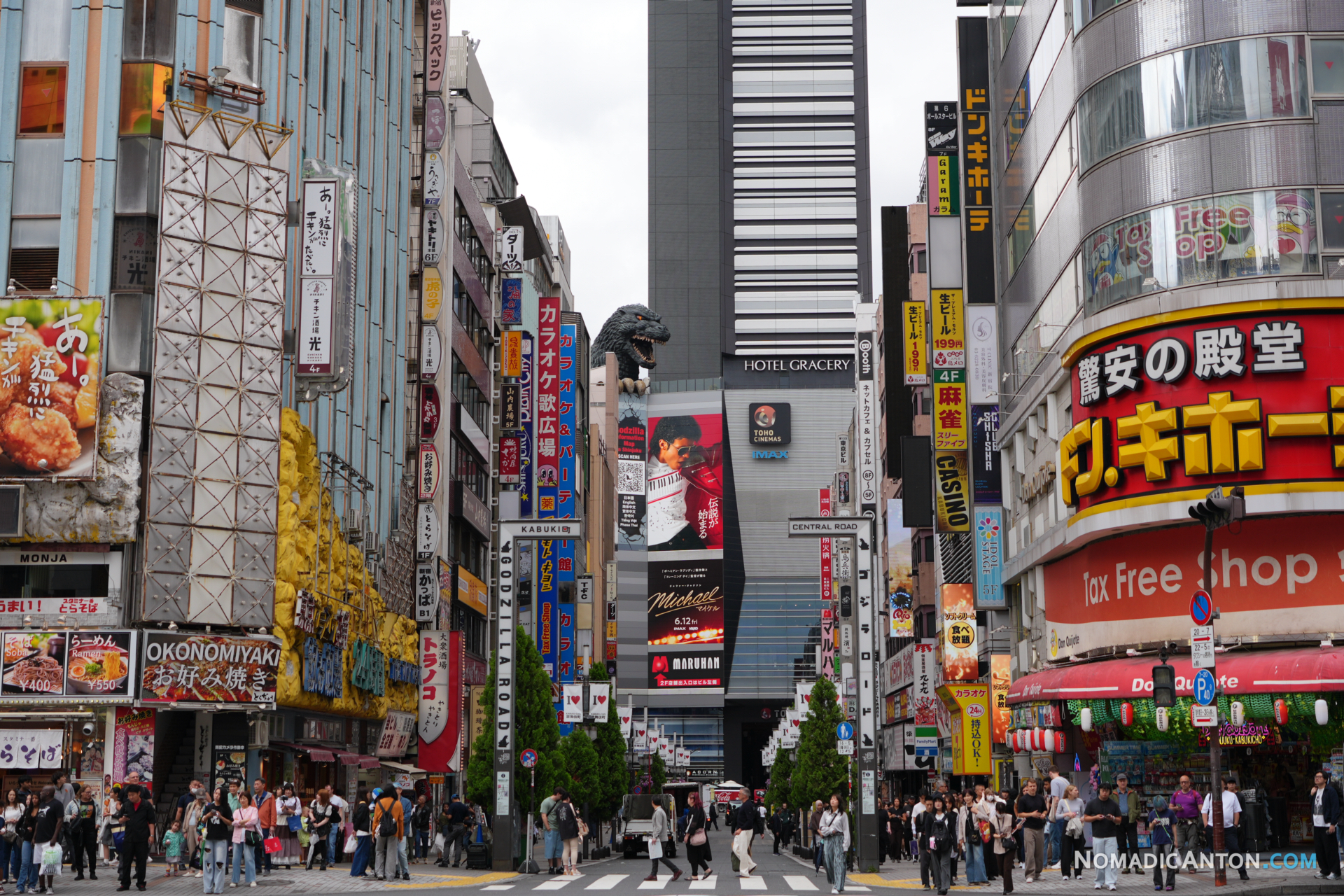
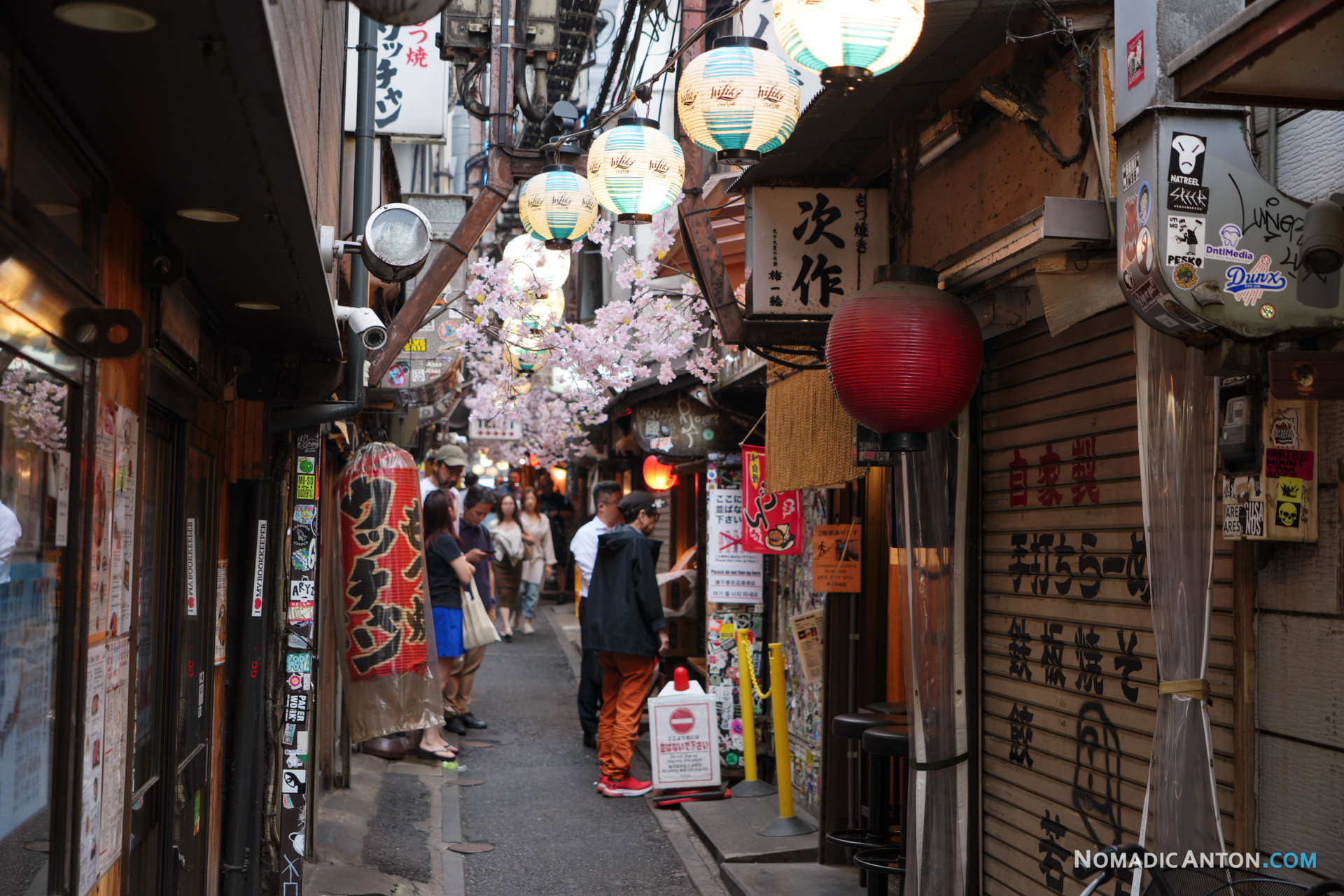
Shinjuku covers a lot of ground. The east side has Kabukicho, Tokyo’s main entertainment and red-light district, with narrow streets and bars on every floor of every building. I walked through it in the afternoon. The better experience was Omoide Yokocho, a narrow alley near the station filled with tiny yakitori restaurants seating no more than four or five people. I ate in one restaurant, ordered skewers and a beer, and stayed longer than I planned.
Asakusa
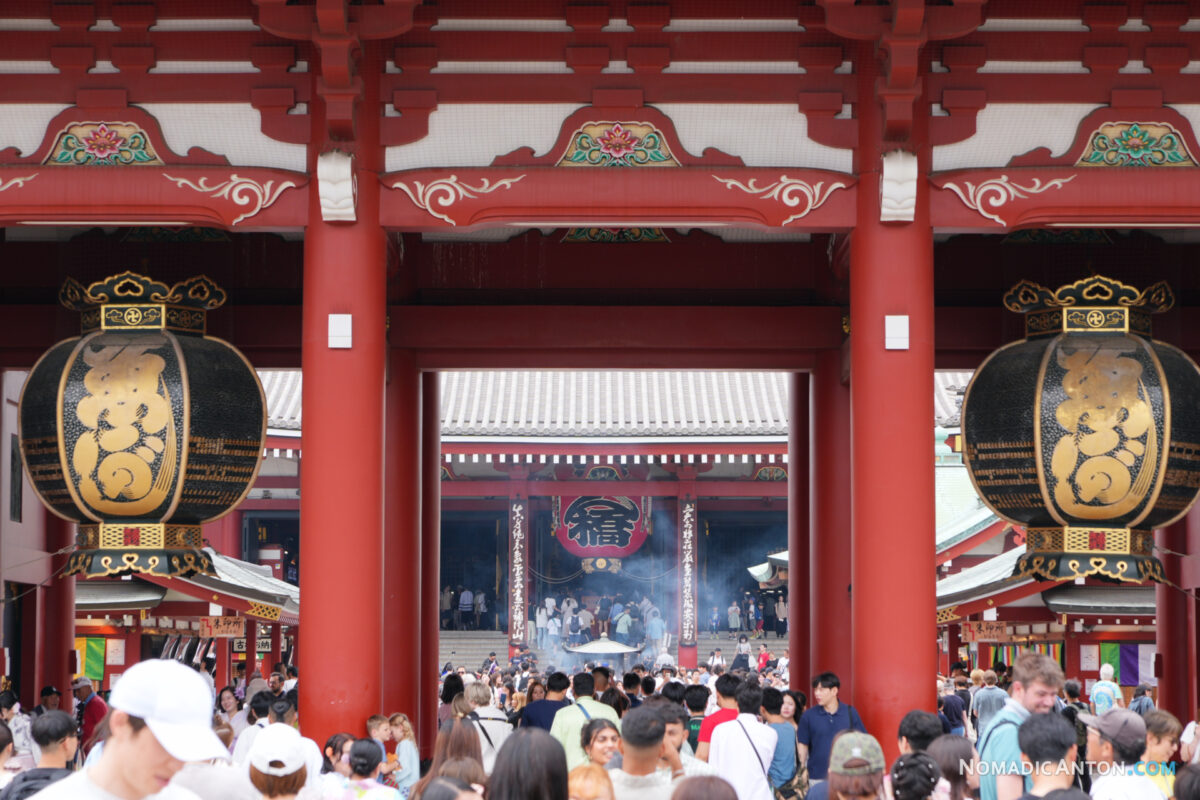
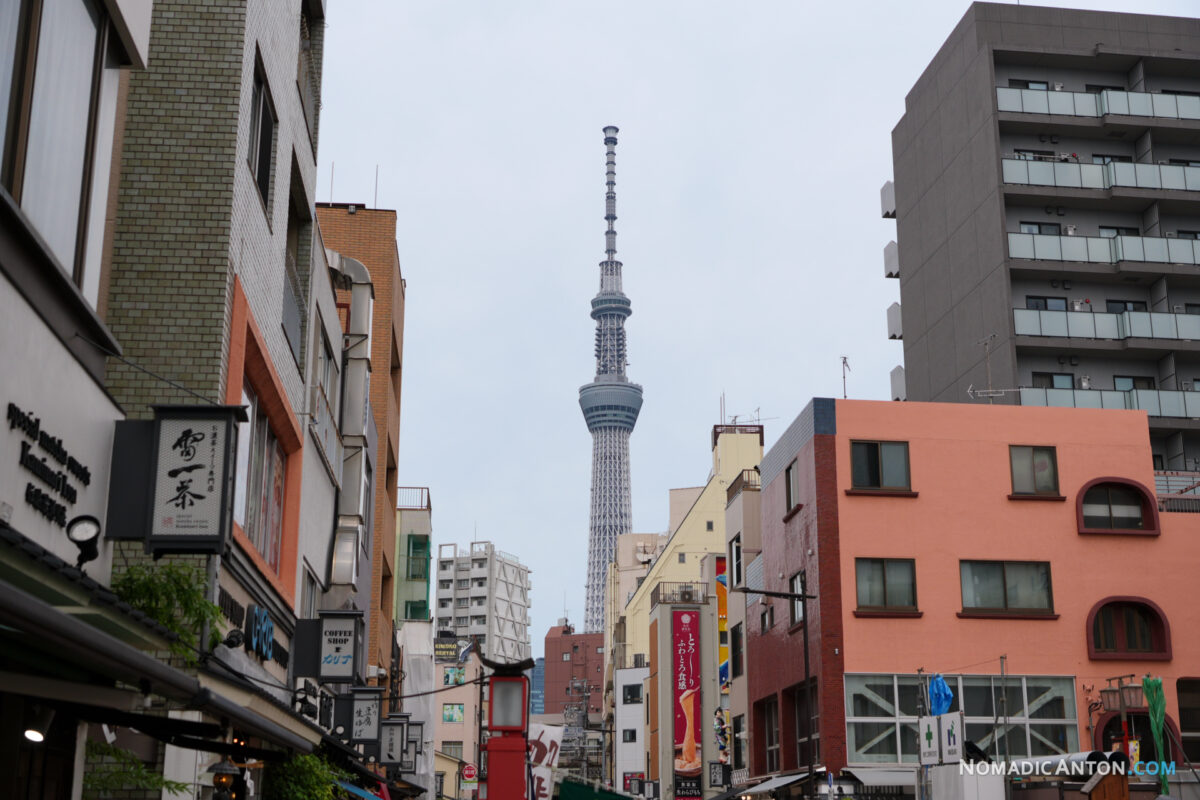
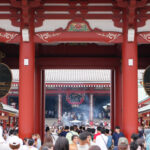
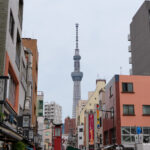
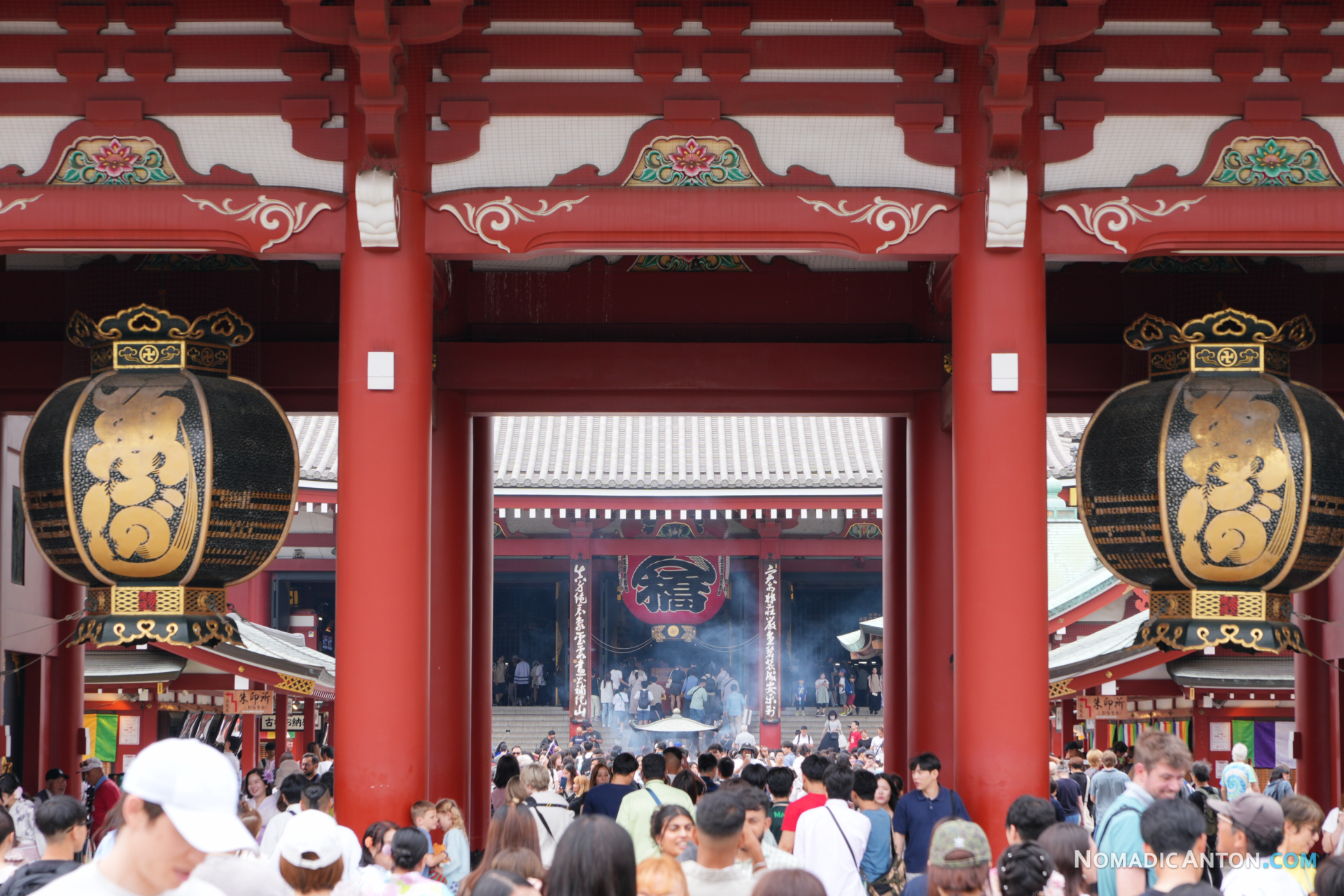
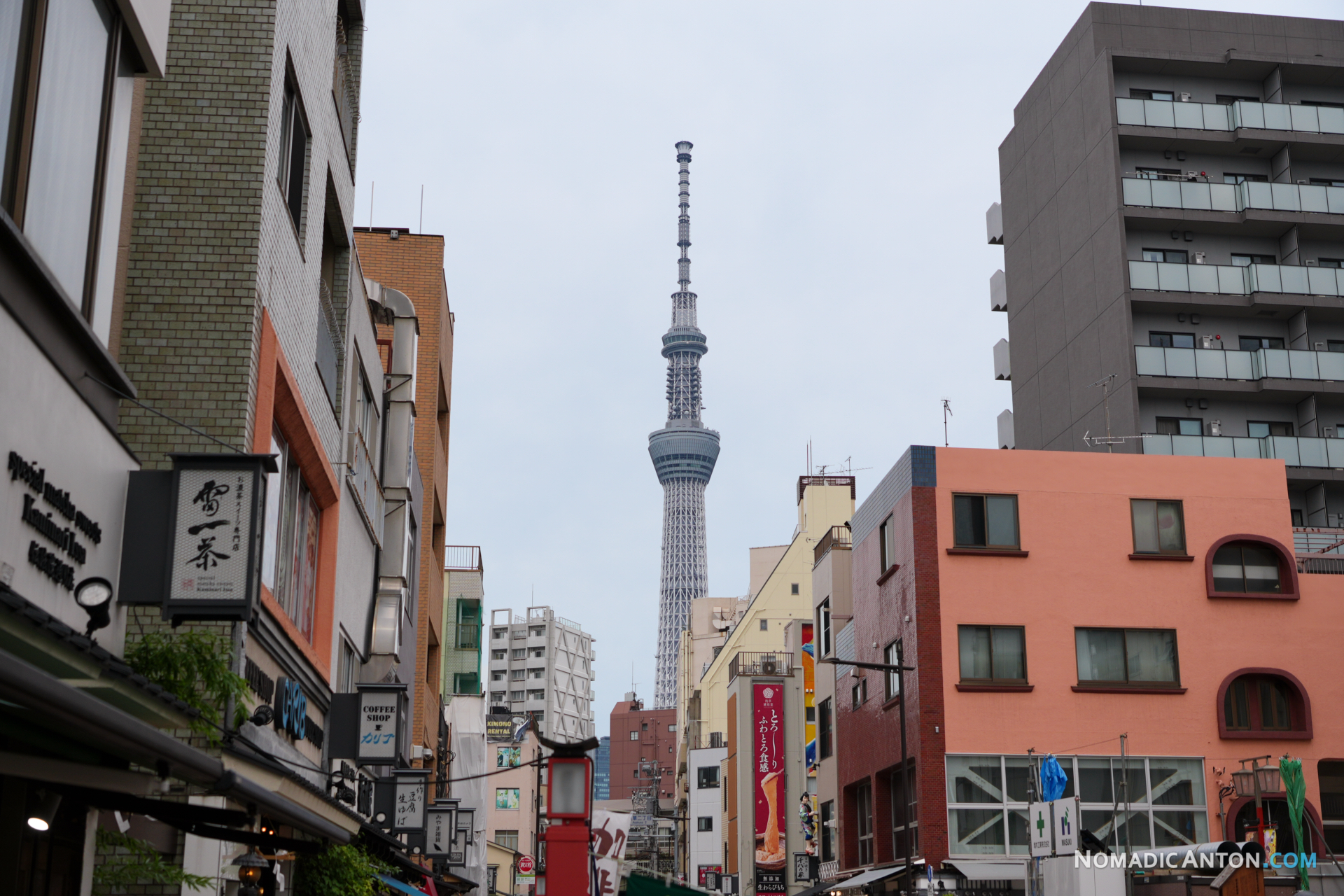
Home to Senso-ji, the city’s oldest temple, dating to 628 AD. The Nakamise shopping street leads up to it, lined with souvenir stalls, rickshaws waiting outside. The temple is beautiful. But the tourist crowds were massive, and everything felt made for tourists rather than any actual neighborhood life. I felt as if I was in a tourist trap, so I didn’t stay long in Asakusa.
Odaiba
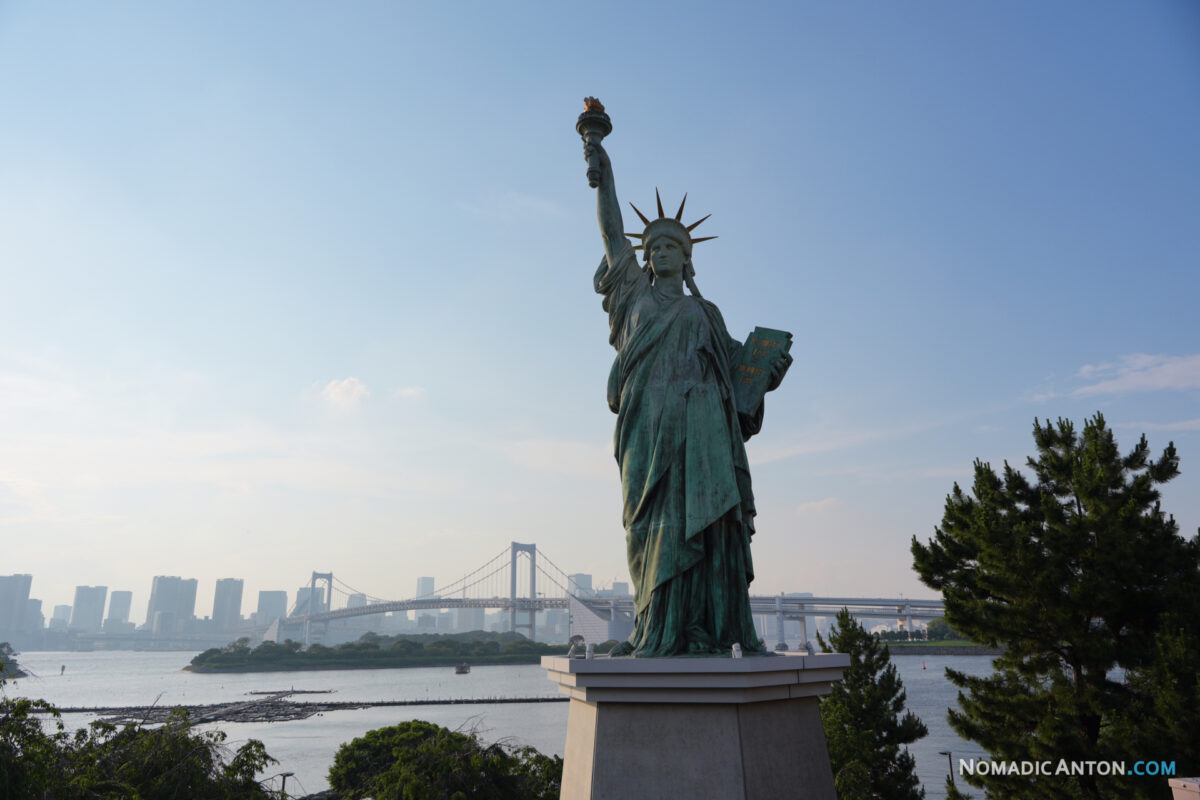
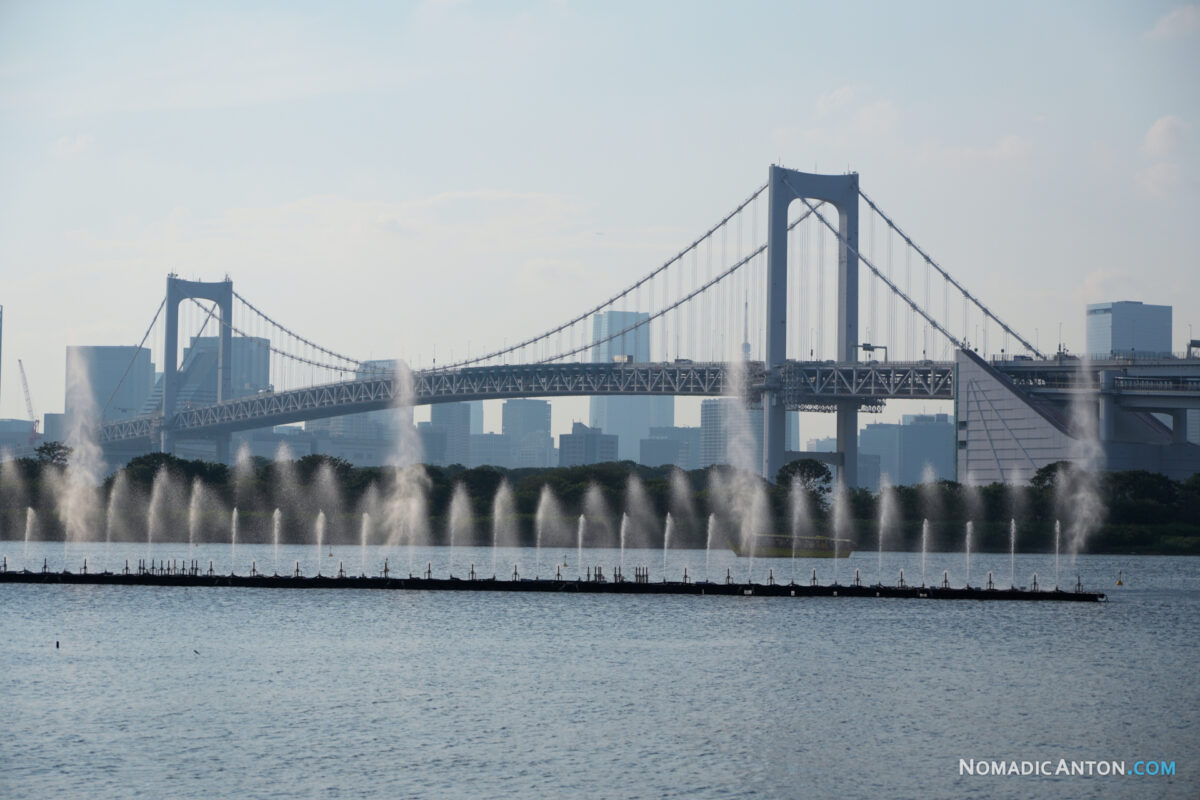
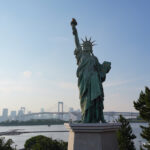
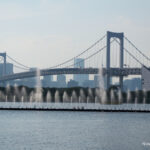
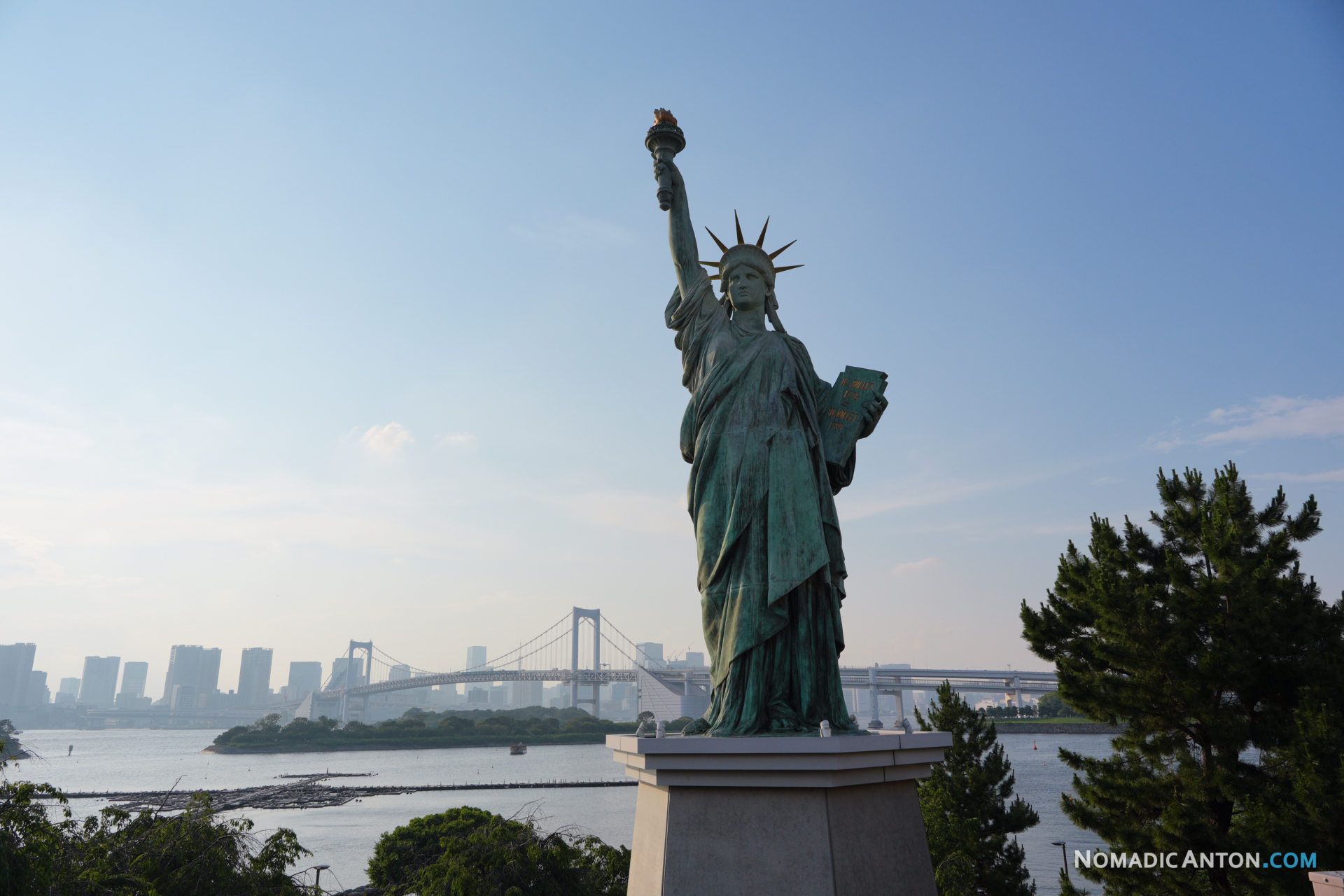
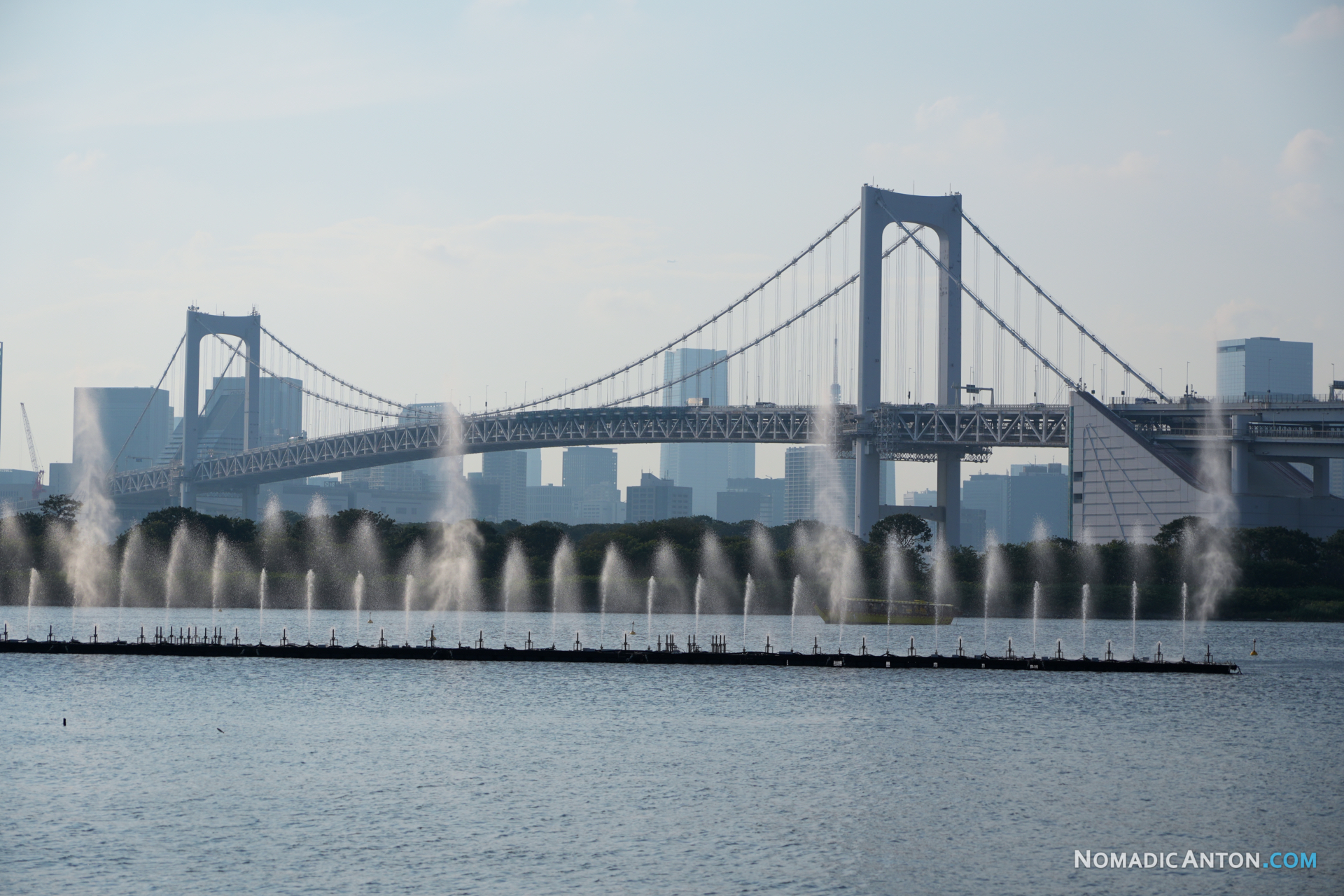
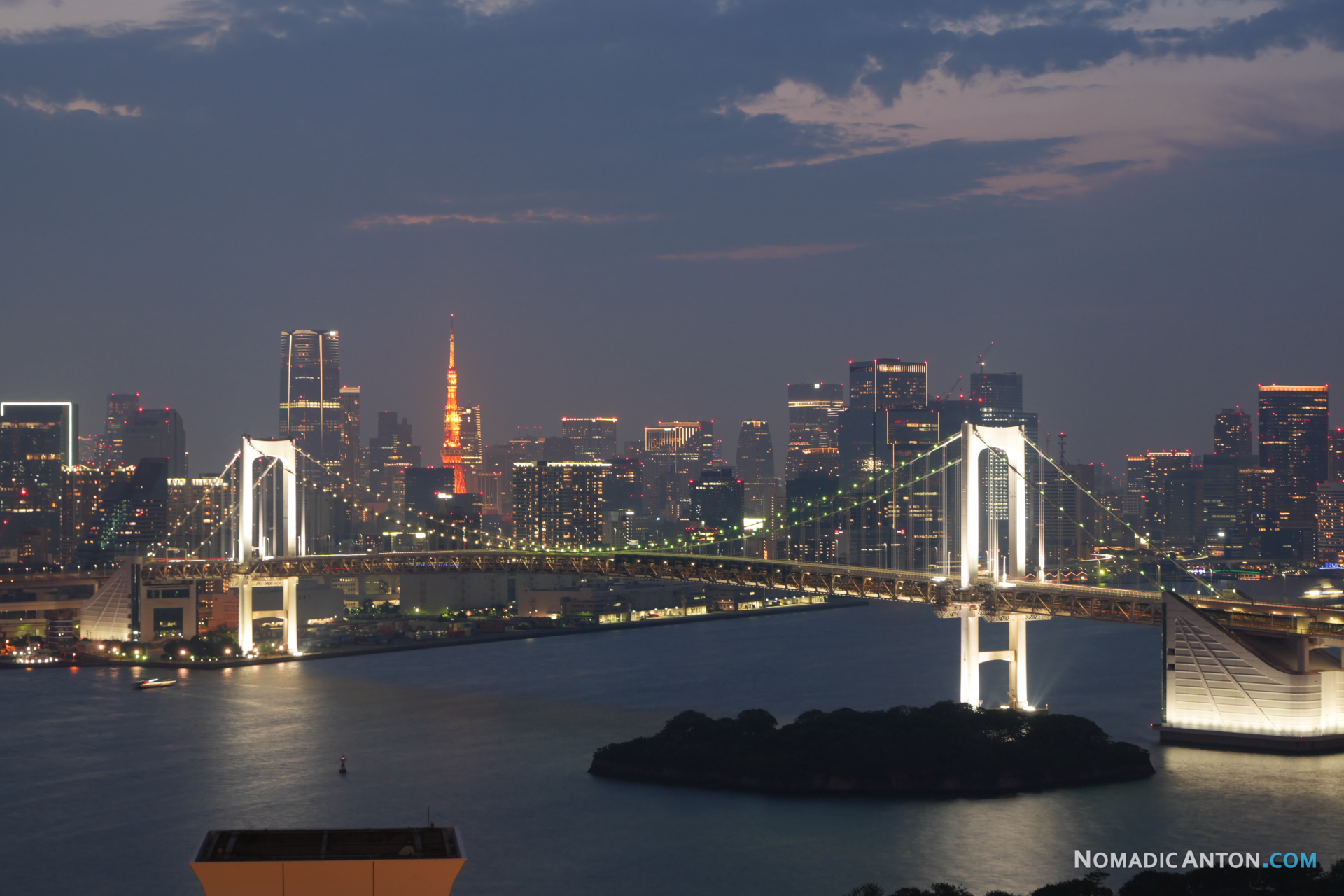
An artificial island in Tokyo Bay, connected to the city by Rainbow Bridge. I went at sunset and walked the seaside park with the views of the bridge and skyline behind it. Fountain shows ran in front of the bridge in the evening. It is open, calm, and in general a good place to end a long day.
Ginza
Ginza was a quick walk-through for me. Wide avenues, flagship stores, very clean, very expensive. Think Avenue Montaigne moved to East Asia.
Tokyo’s food alone is a reason to visit. Street food is everywhere and almost always worth stopping for. The best bowl of ramen I had was from a small local spot: rich broth, chewy noodles, soft-boiled egg on top. I also ate at a neighborhood shokudo serving teishoku sets, a grilled mackerel with rice, miso soup, and pickles on the side.
The meal I’ll remember most was at an omakase sushi counter where the chef prepared each piece directly in front of me. I paired the food with Hakkaisan sake, a clean, dry junmai ginjo from Niigata Prefecture. That combination is going to be a difficult one to top.
Three days in Tokyo was not enough for me. I will definitely come back and stay longer.