It was my third time in Vietnam and each visit keeps getting better. It has quietly become my favorite country in Southeast Asia. It has everything I like: beaches, mountains, big cities, great food, kind people, and it is generally more affordable than other destinations. I’d done Sapa, Hanoi and Ho Chi Minh City before, but central Vietnam had always been on my “to-do next” list. Da Nang, Ba Na Hills and Hoi An cover a compact stretch: beach city, mountain resort and ancient town, all within easy reach of each other.
Timing matters here. I traveled to central Vietnam in March, which I consider to be the perfect season for me to visit this region. February to August is the dry season, with plenty of sun and calm sea. September through December brings heavy rain and typhoon risk, so avoid the end of the year if you have any flexibility on your travel dates.
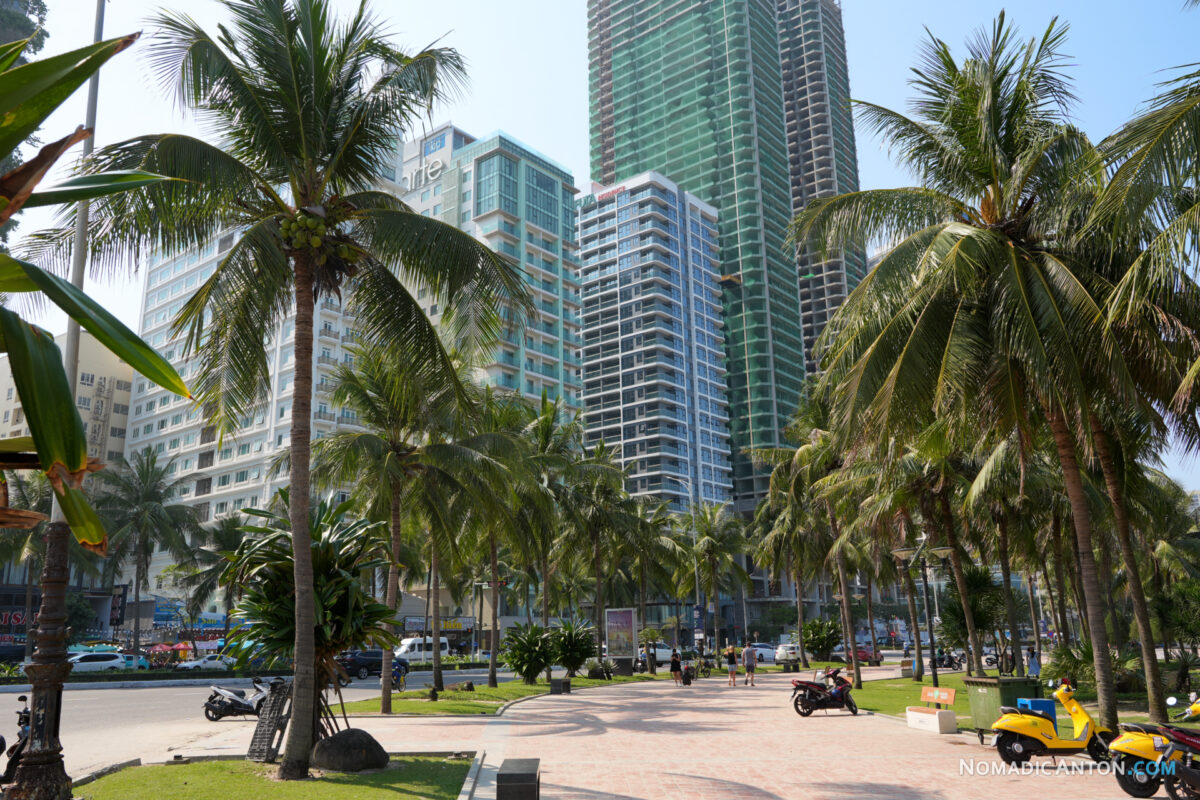
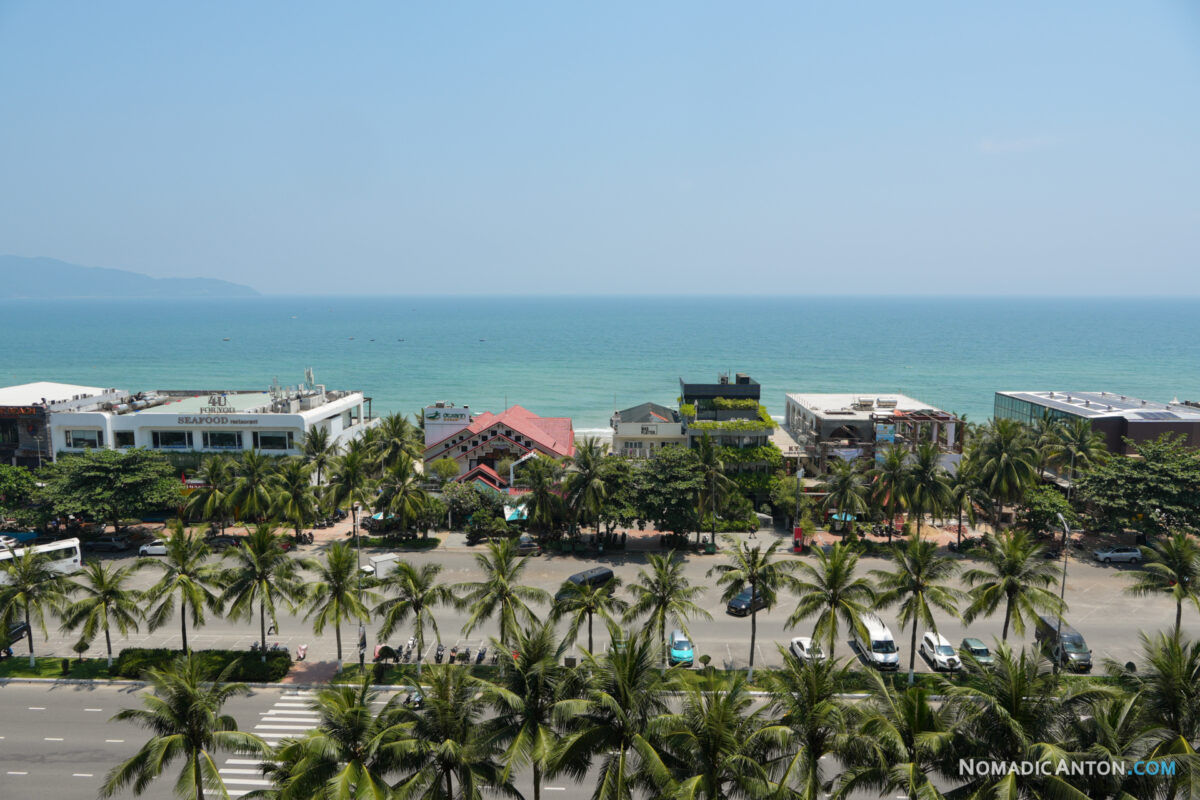
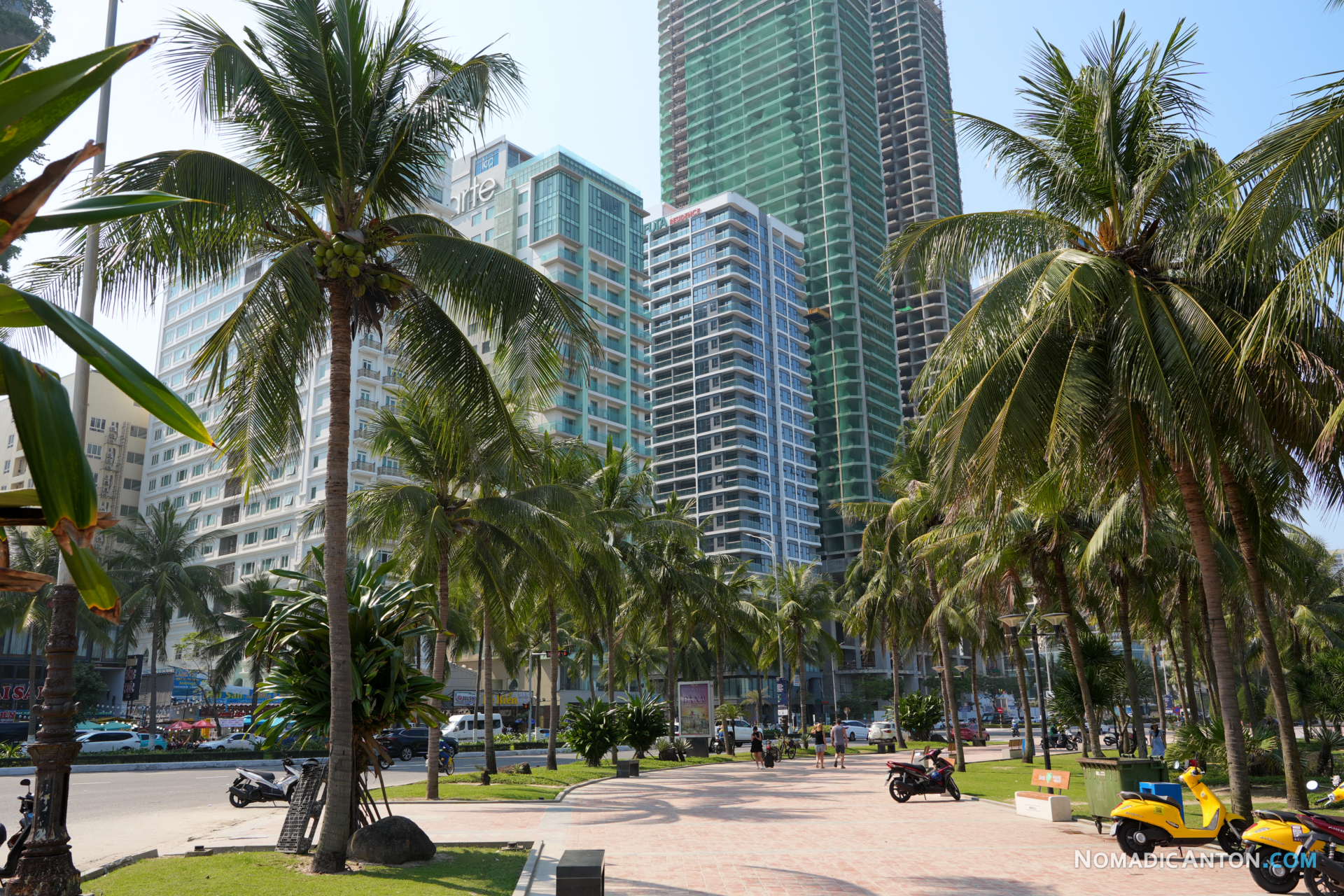
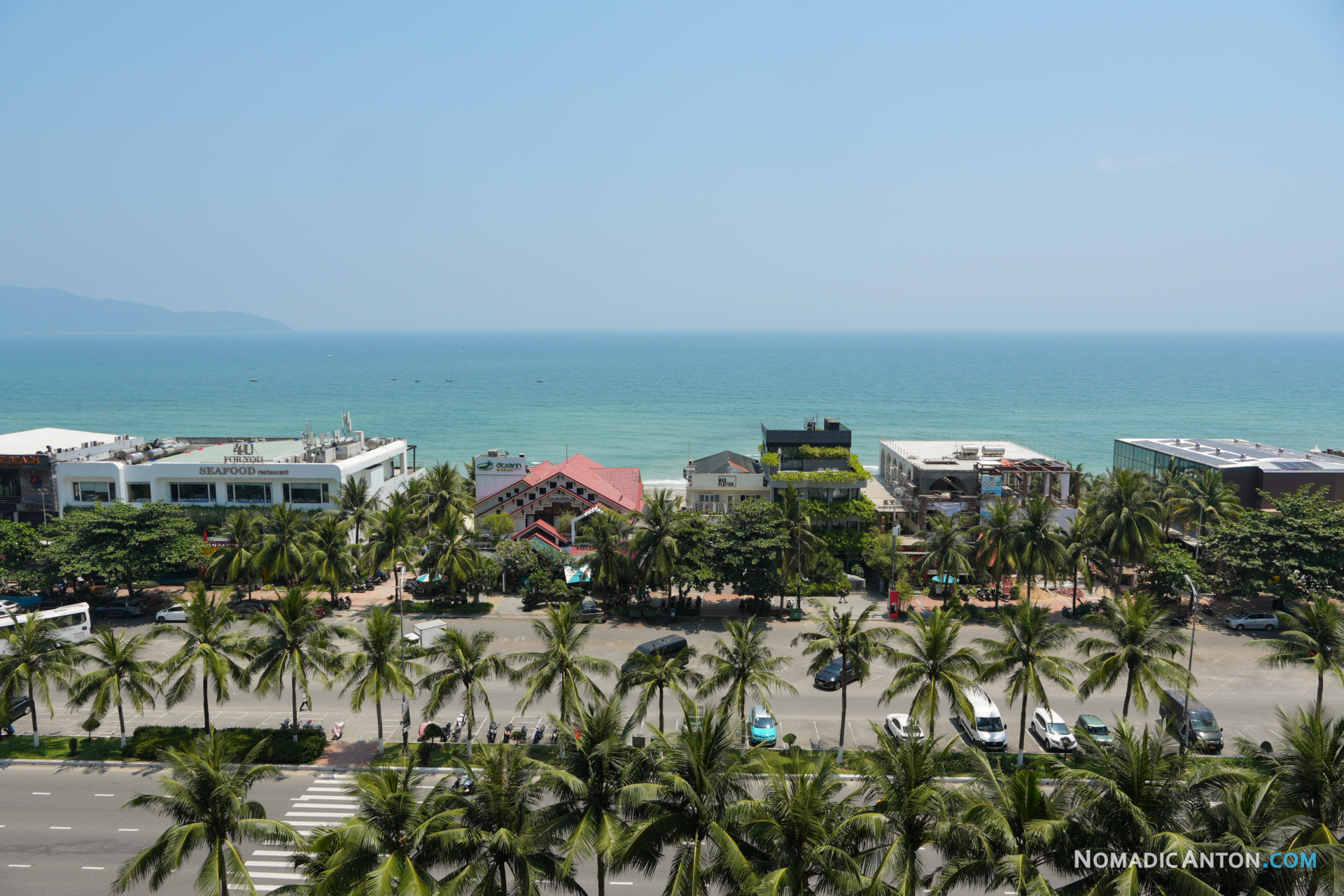
Da Nang is Vietnam’s third largest city, around 1.1 million people, and it’s clearly in the middle of its growth. Construction cranes are everywhere, new hotels rising along the coast, roads being widened. The vibe of the city reminded me of Miami. There’s a long beach with palm trees and tall buildings facing the water, a real resort city feel that other Vietnamese cities don’t quite have, I guess.
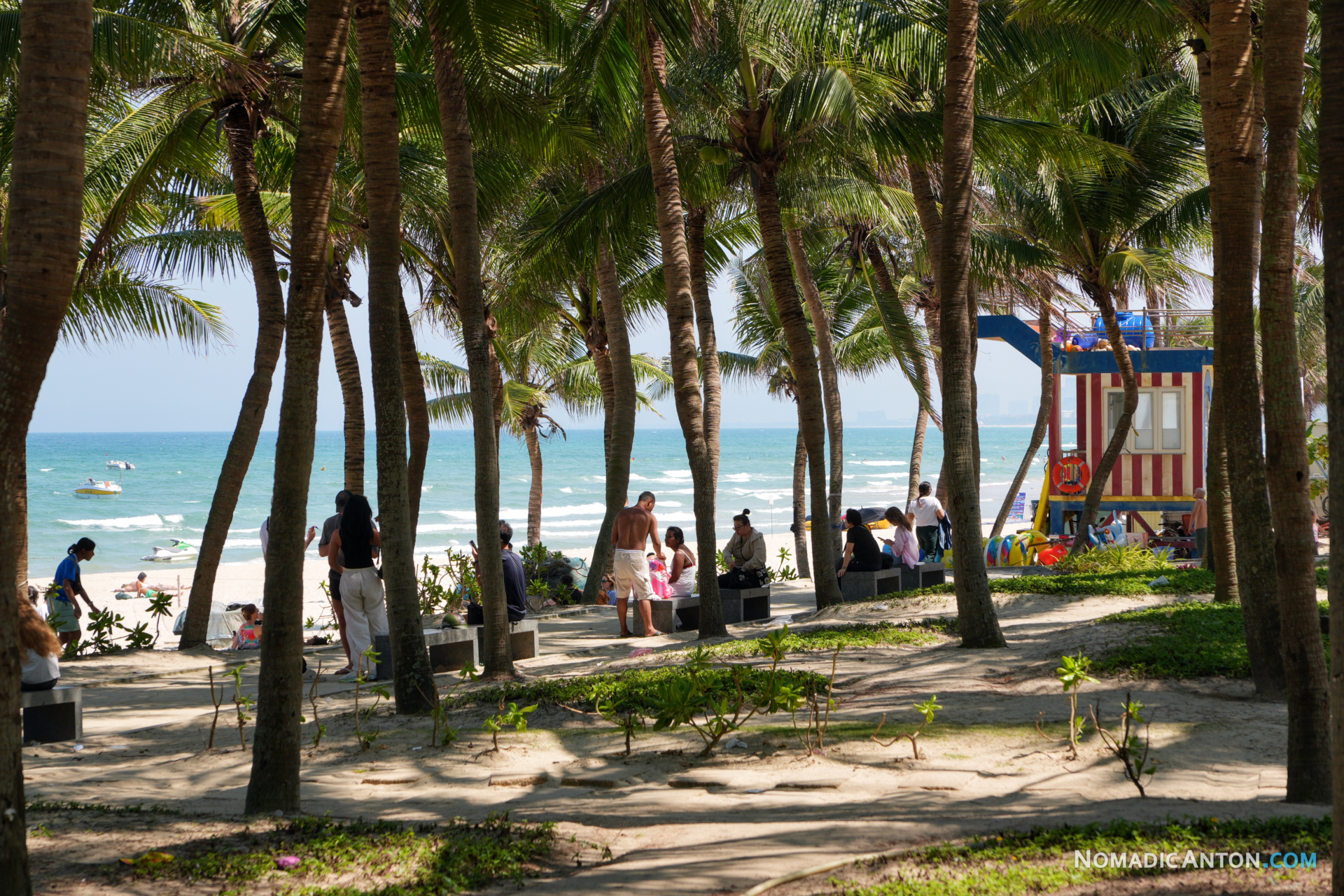
My Khe Beach is the main stretch of the beach. It is clean and wide, good for swimming and watersports most of the year. It is easy to spend a whole day there, or even a few if you like all the water activities.
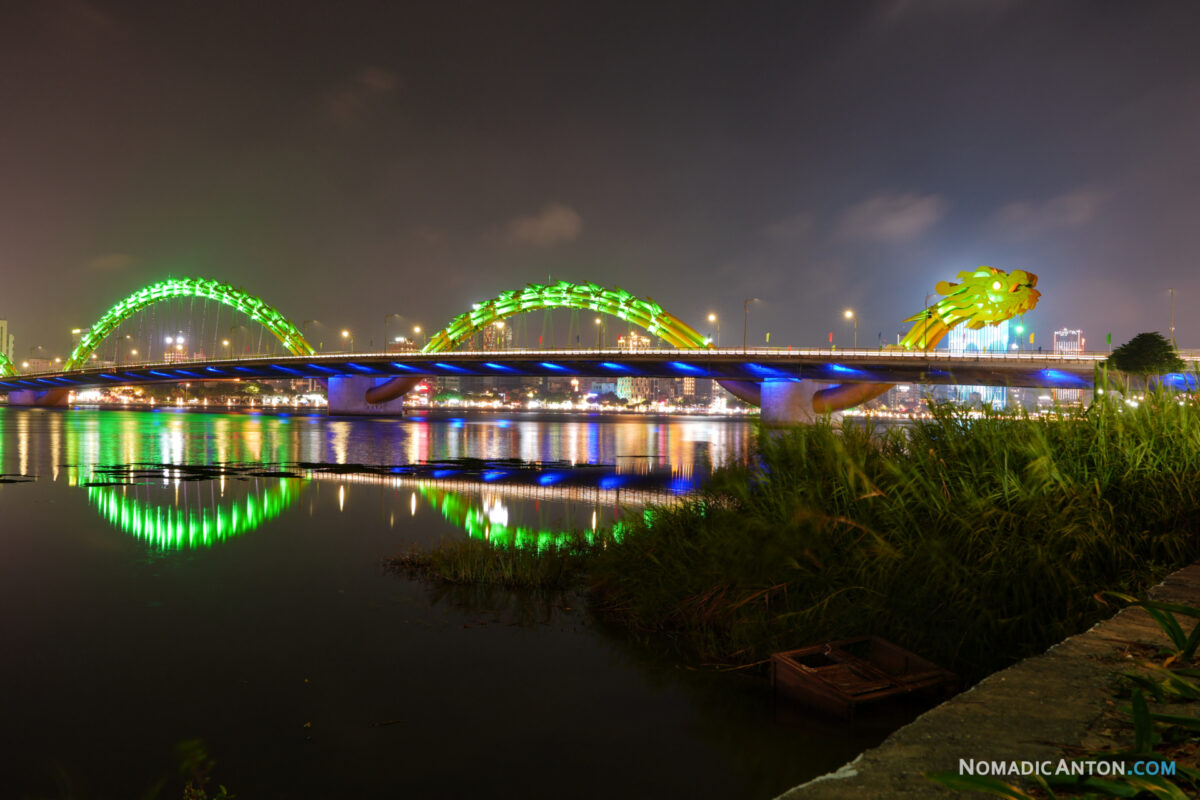
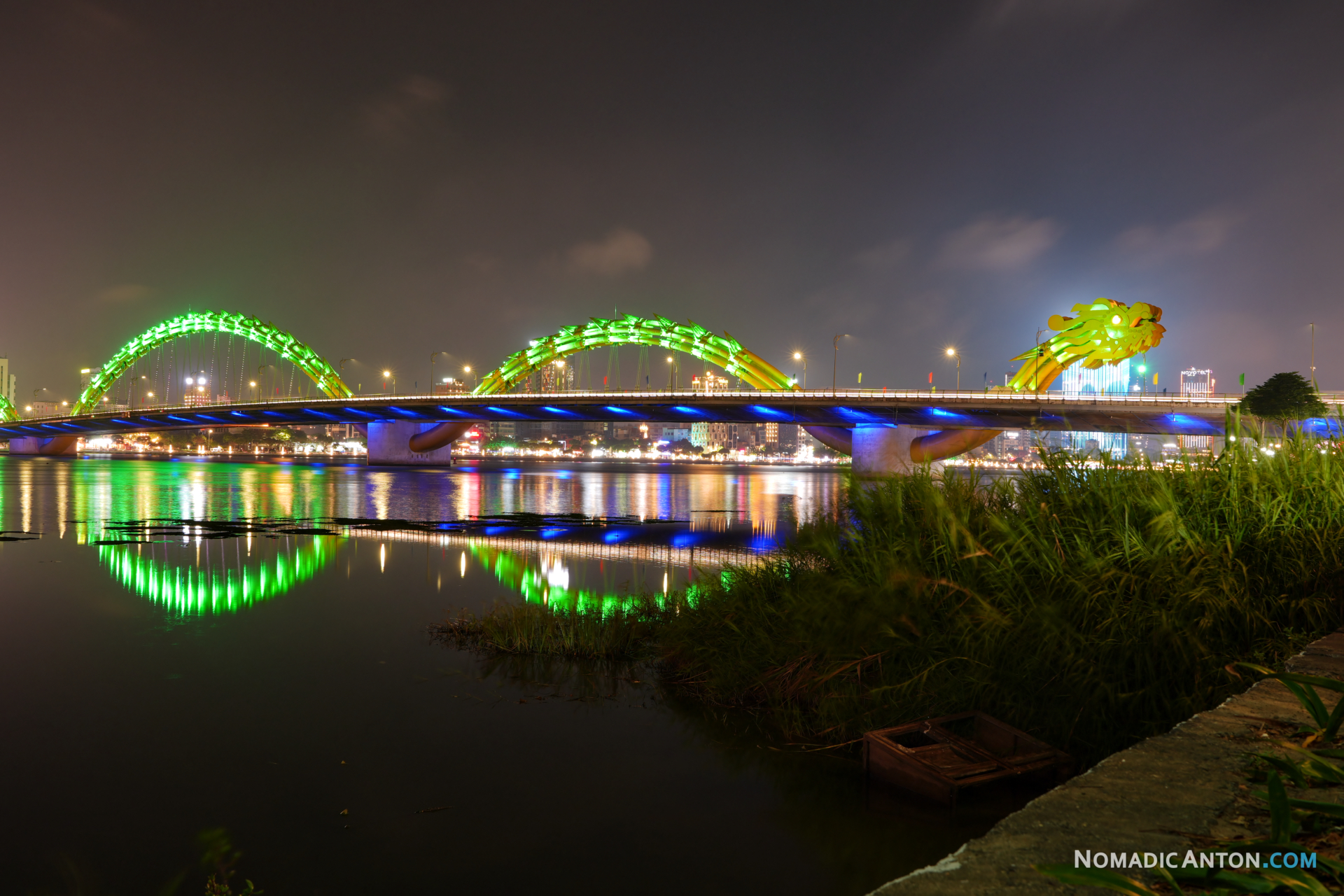
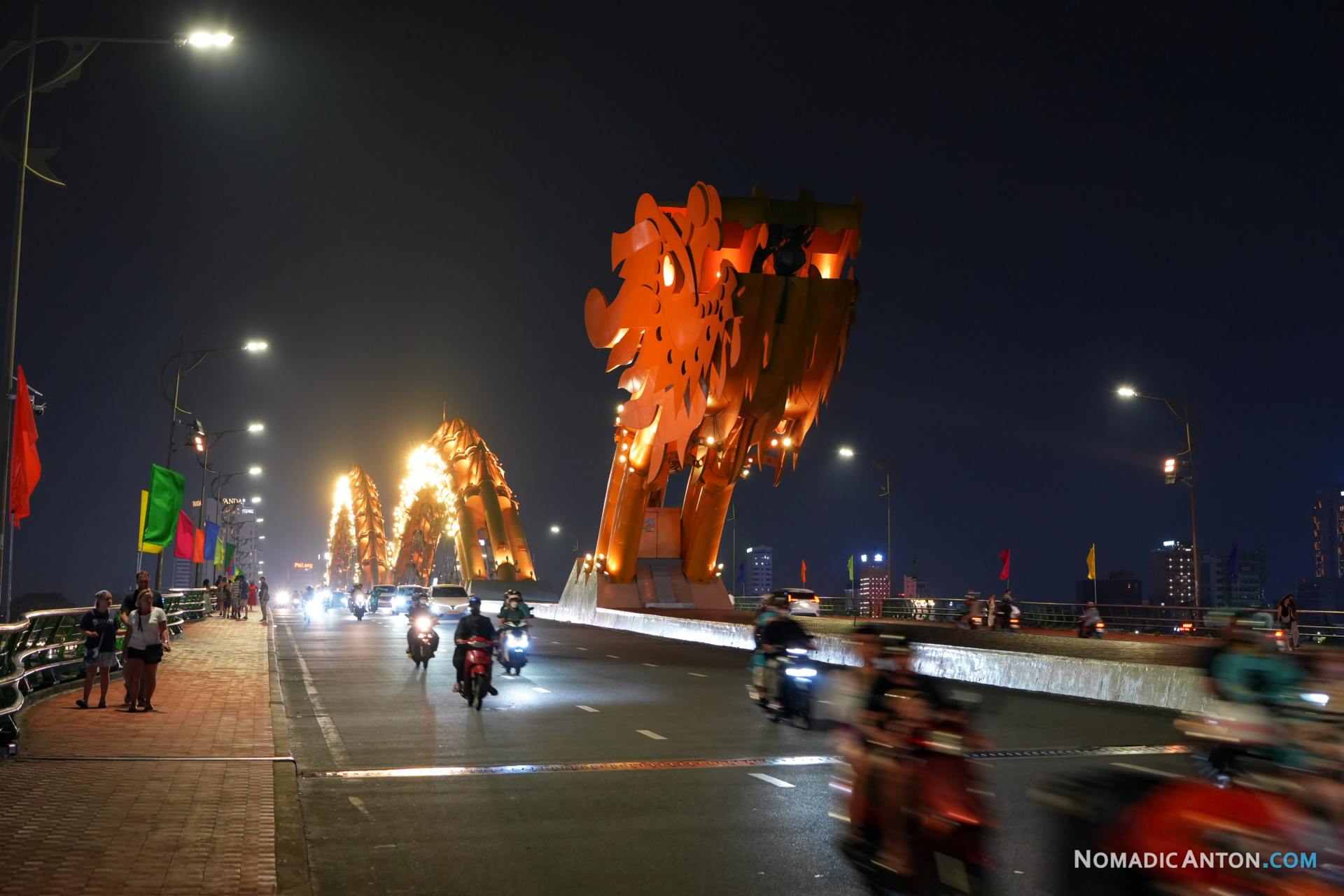
On Saturday evening I went to see the Dragon Bridge, a 666 m (2,185 ft) long structure shaped like a dragon crossing the Han River. On weekends at 9 PM it breathes fire and shoots water, which sounds gimmicky, but it looks spectacular. There’s a night market running alongside, and I had banh mi with a cold local beer while waiting for the show. It was a really good evening that I spent there.
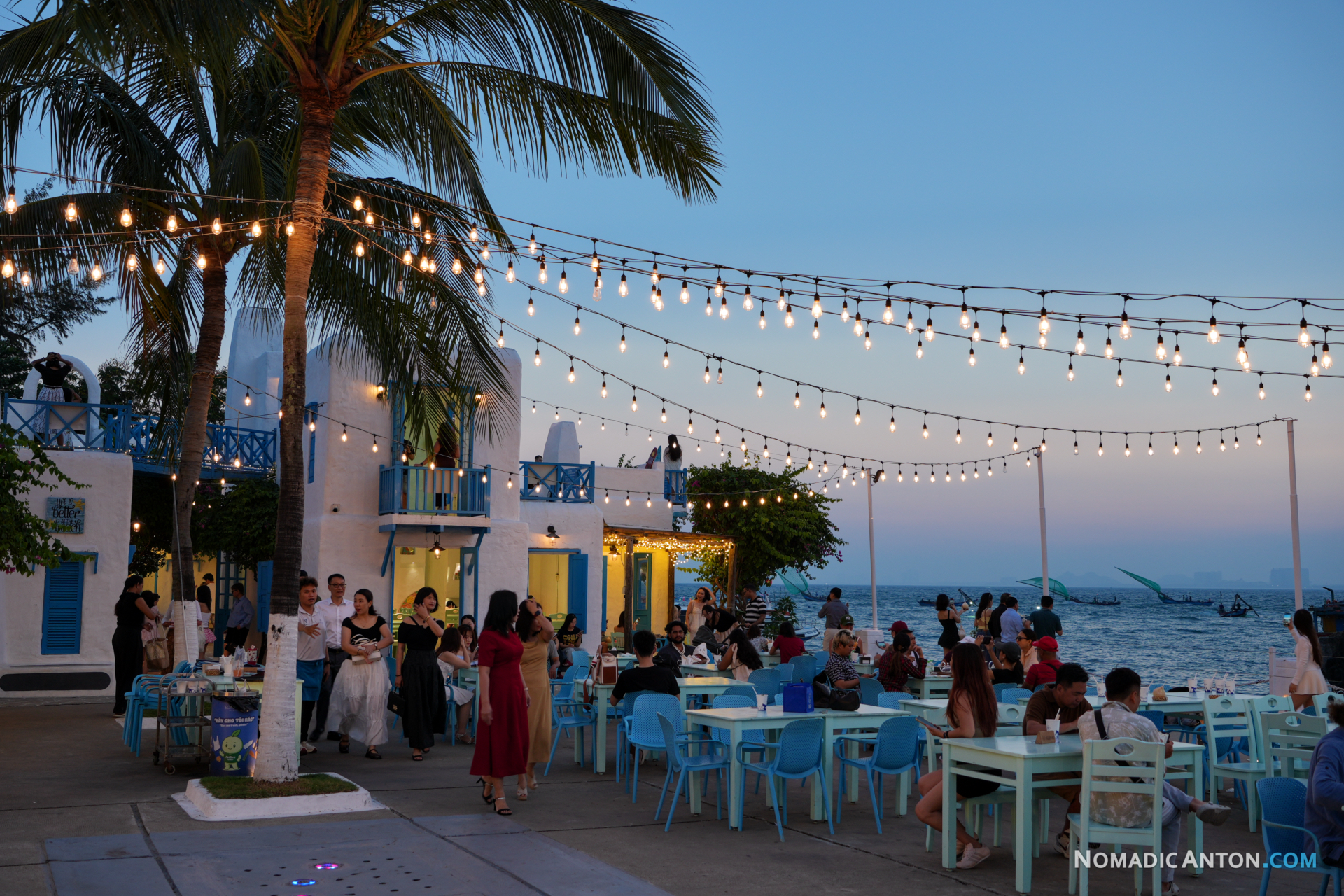
The Son Tra Marina area, styled after Santorini with white buildings and blue trim, is worth stopping by in the evening if you like this type of aesthetics. There were a lot of “instagrammers”, since this place is very photogenic. It fills up quickly, but the views of the marina and the city skyline behind were the reason to be there for the sunset.
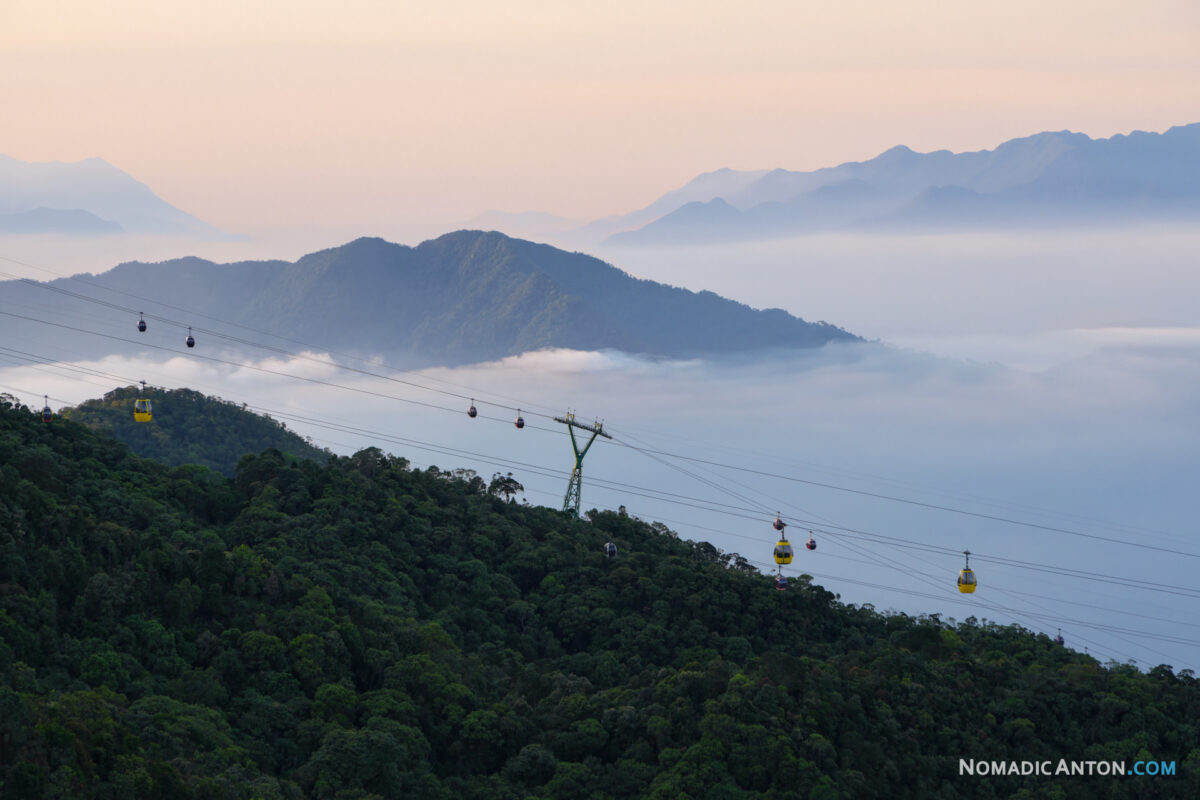
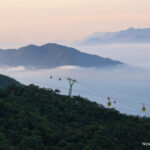
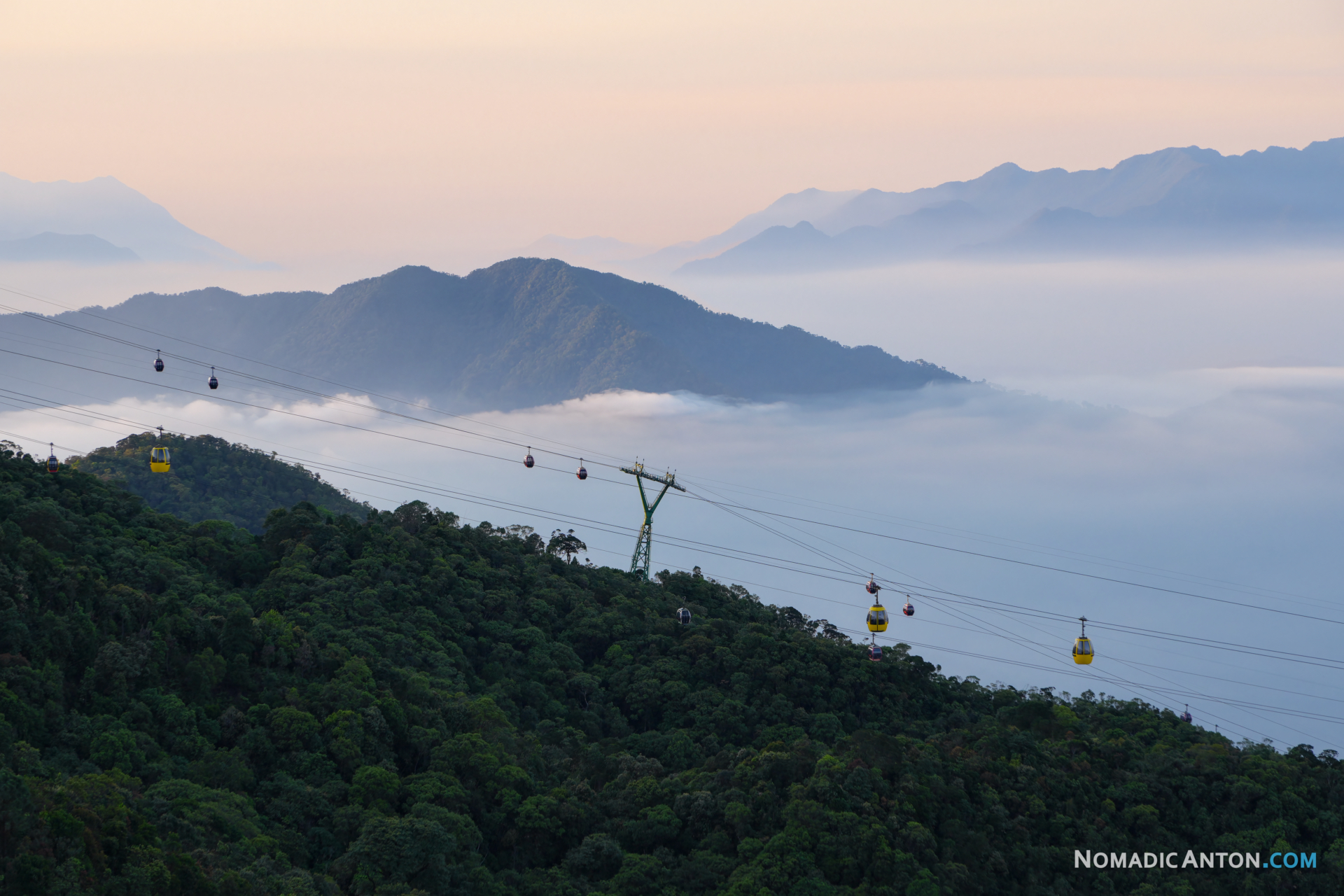
About 45 minutes from Da Nang by car you can get to the cable car station at the foot of Ba Na Hills. The gondola ride up is genuinely impressive. The cable car holds a Guinness World Record as the longest non-stop single-track system in the world at 5,801 m (19,032 ft), and the mountain tops out at 1,487 m (4,879 ft). You pass through the clouds on the way up and the temperature drops noticeably once you reach the summit.
I booked a night at the Mercure, the 4-star hotel on the mountain. It was the right choice for me. Two full days in Ba Na Hills gave me enough time to do everything without rushing. The hotel is comfortable and well suited to the setting. I checked in at the cable car station, and took my ride up the mountain with my luggage together in the same cabin.
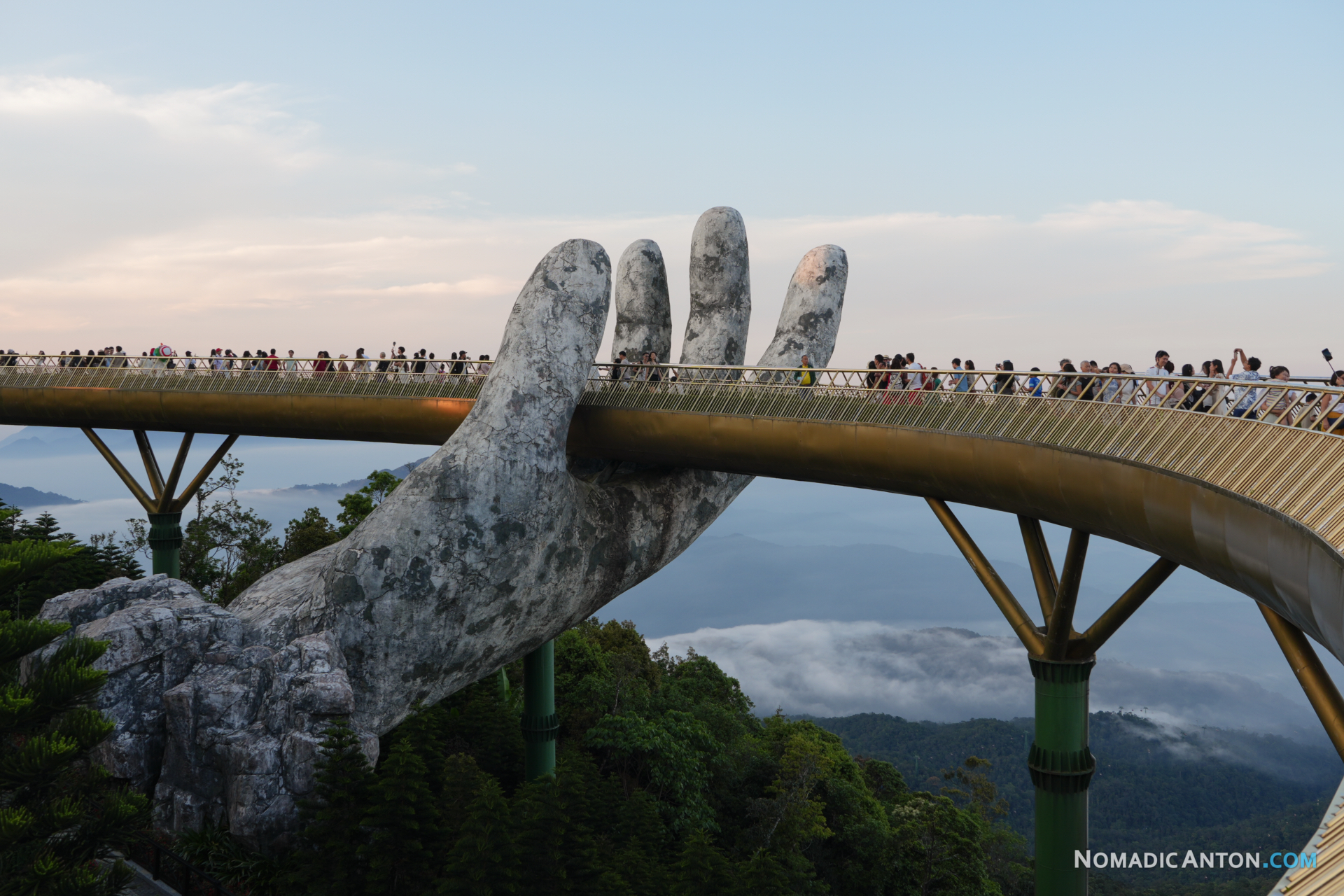
The Golden Bridge was the highlight. A 150 m (492 ft) walkway at roughly 1,400 m (4,593 ft) elevation, held up by two giant stone hands rising from the hillside. I was there at sunset. It was a bit busy, but the scenery with a gorgeous light on the valley below was mesmerizing.
The alpine coaster was a genuine surprise for me. A mountain roller coaster that goes through the hillside, no alps in sight despite the name. It was the first time I’d ever tried one, and I wasn’t prepared for how much fun it would be. I’d recommend it without hesitation.
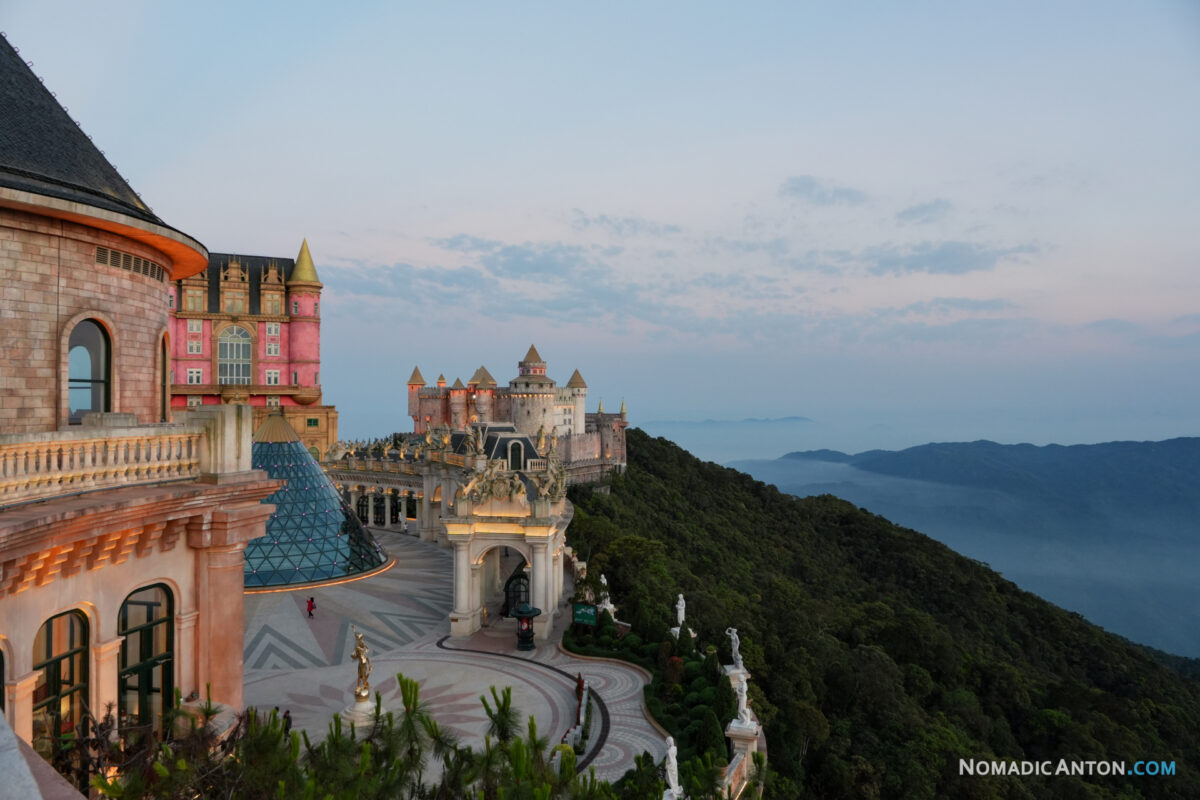
The French Village is the centerpiece of Ba Na Hills, a recreation of a European hilltop town with cobblestone streets, a castle, wine cellars and small squares. Theatrical, but well done. There are restaurants and shops to fill the gaps between activities.
From the cable car station, Hoi An is about 60 km (37 mi) south, roughly an hour and a half by car. Coming directly from Da Nang it’s only 30 km (19 mi), around 40 minutes.
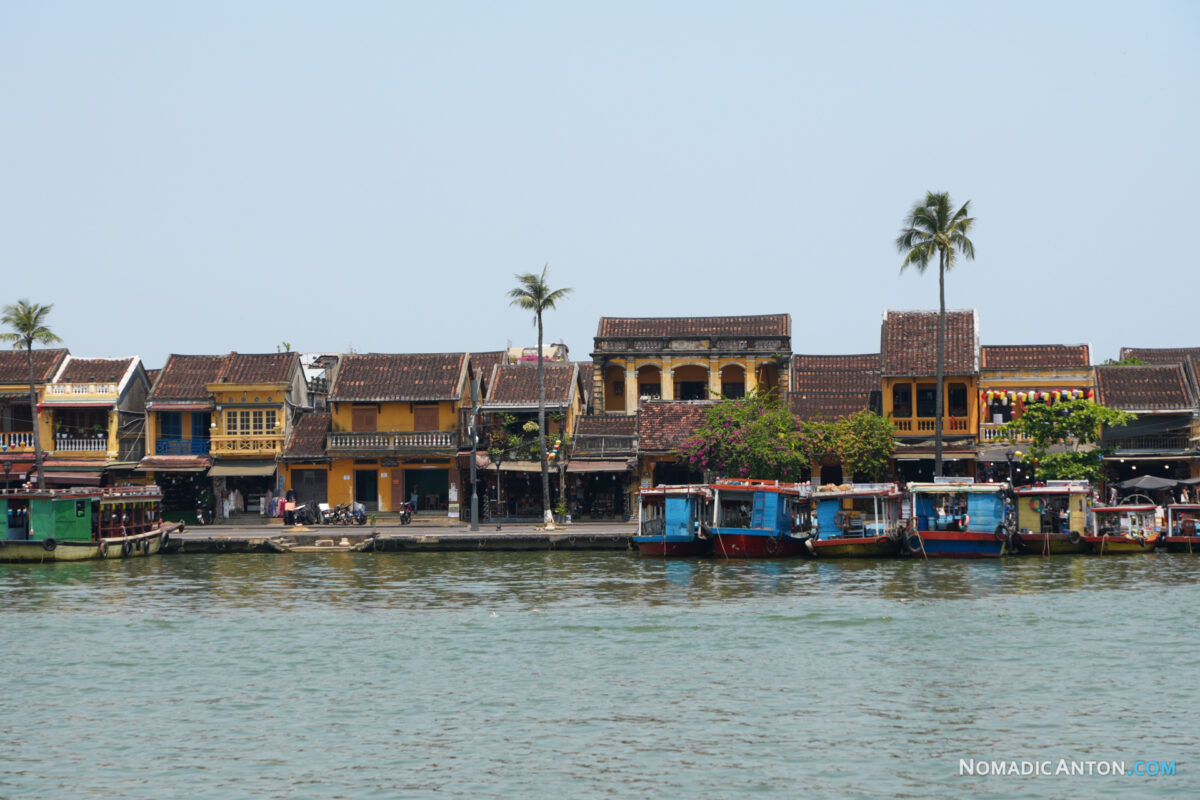
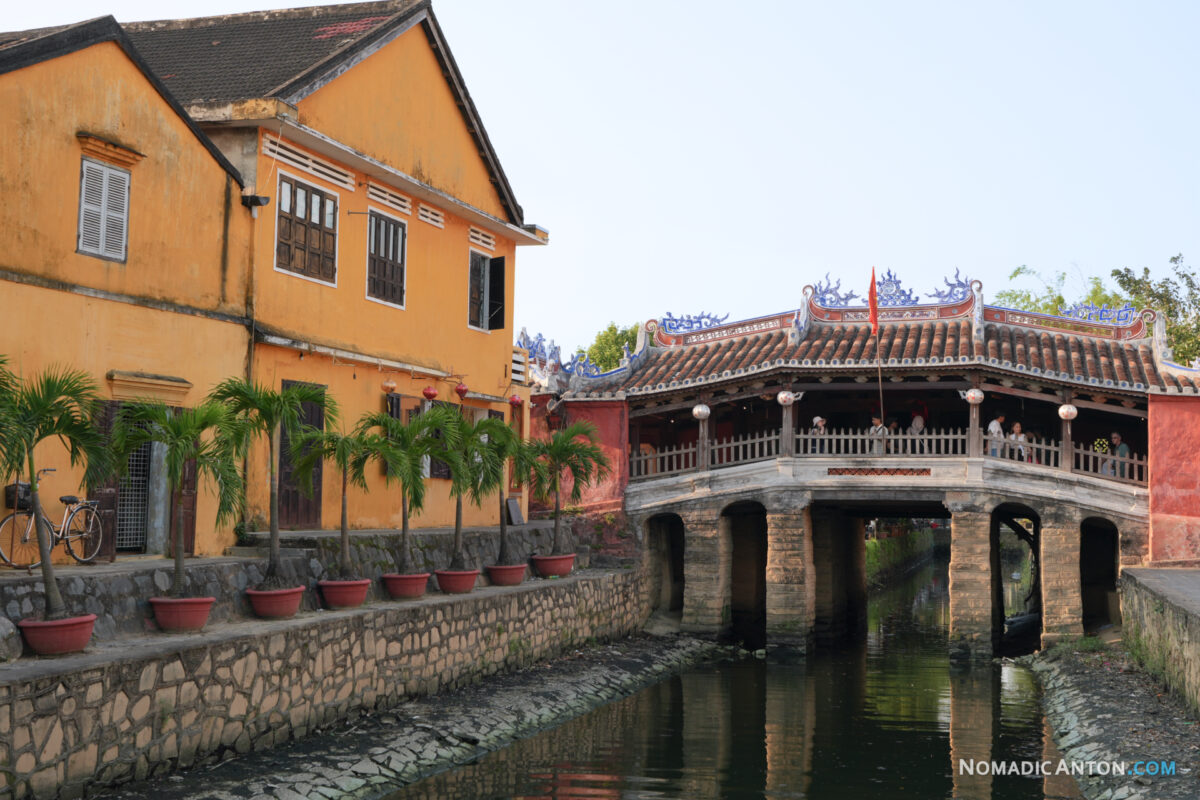
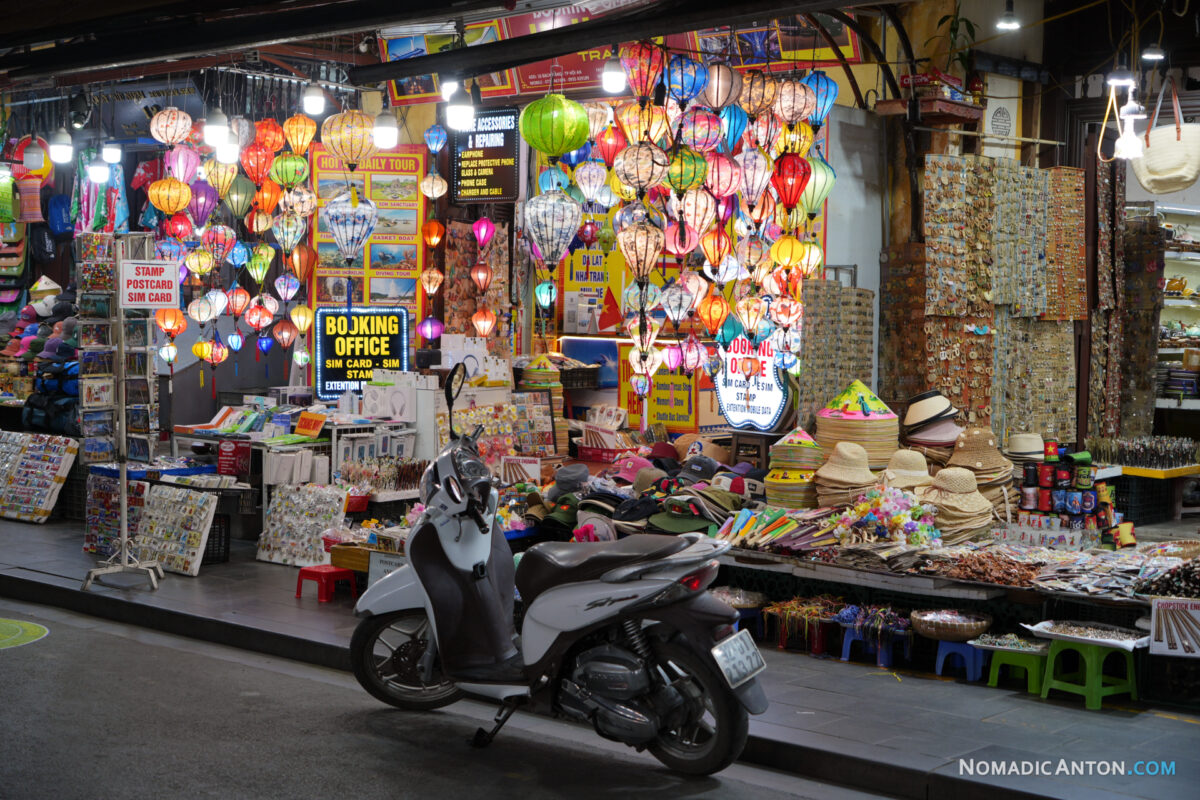
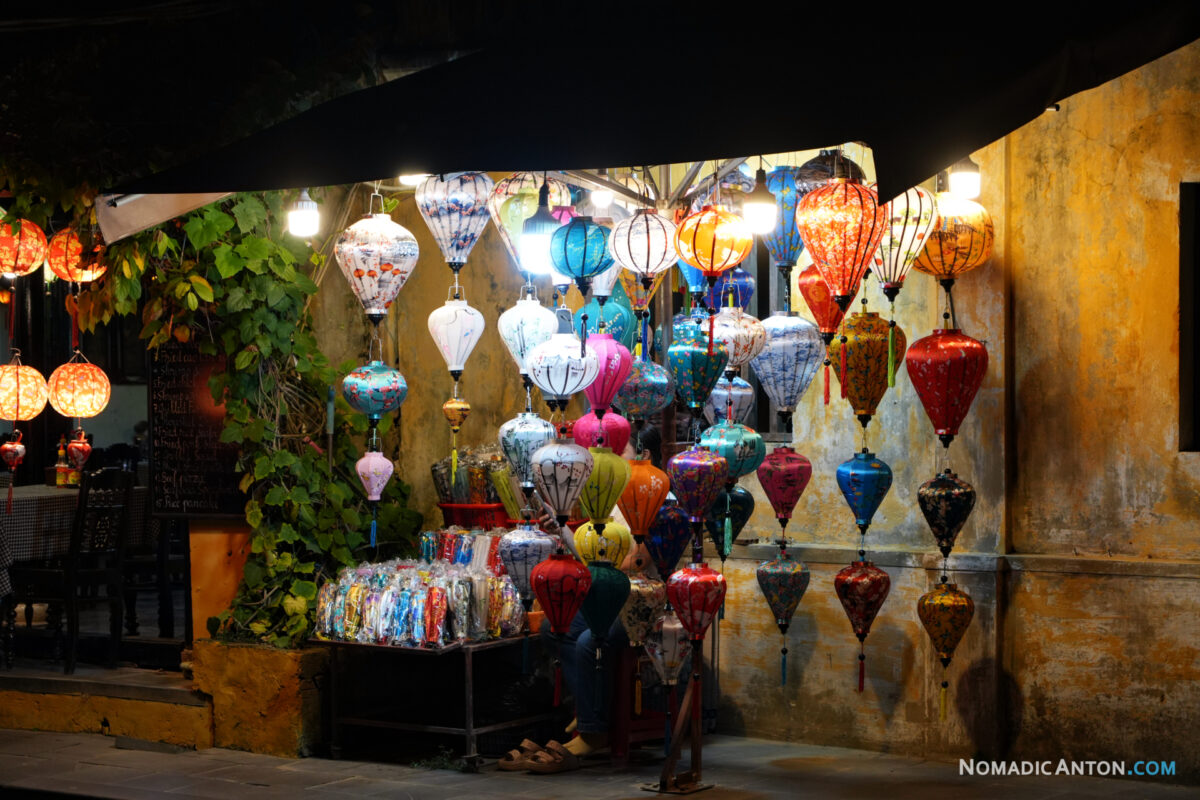
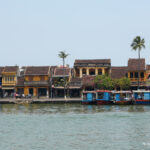
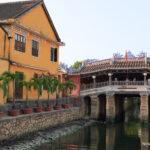
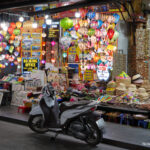
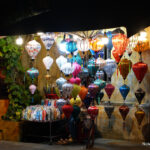
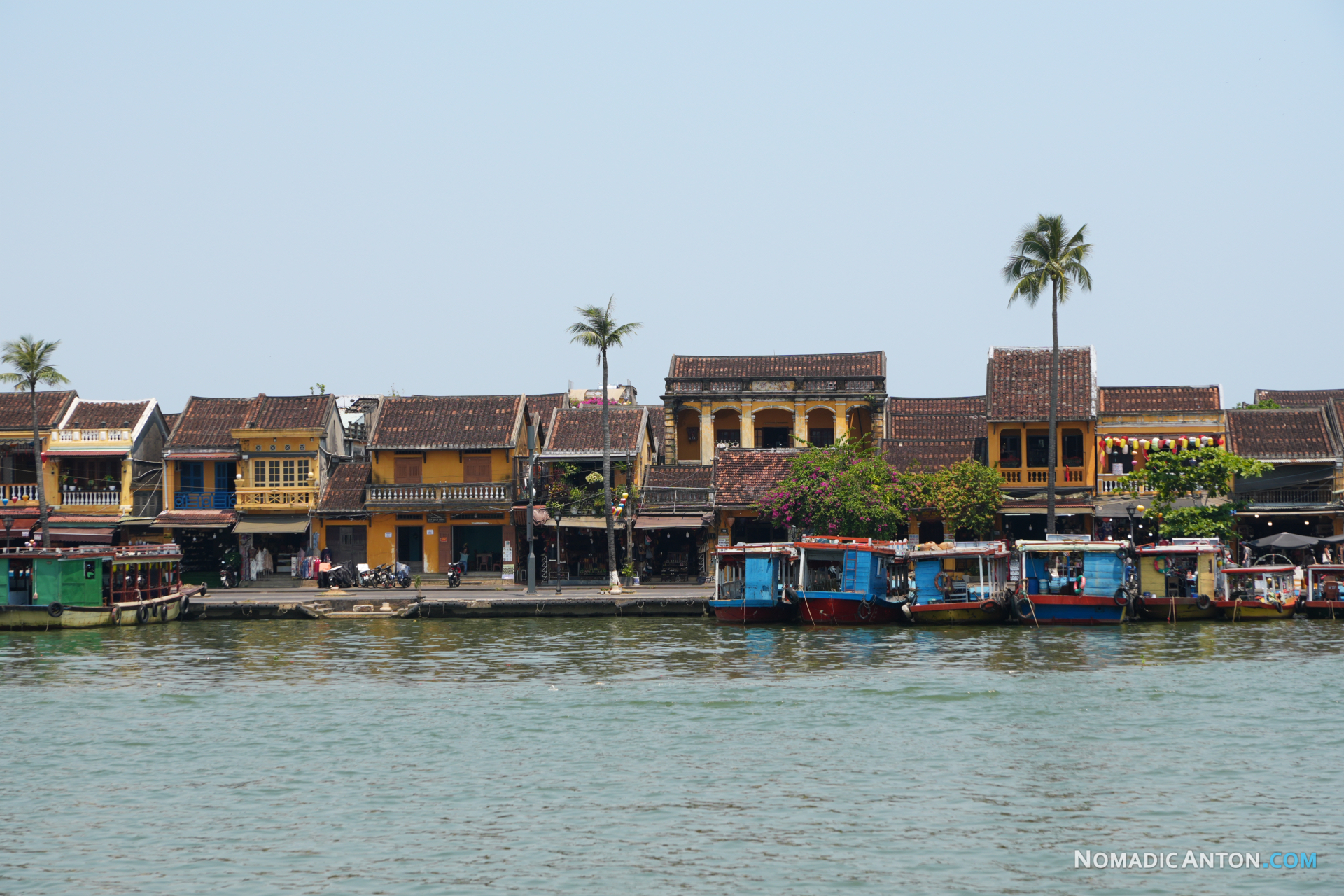
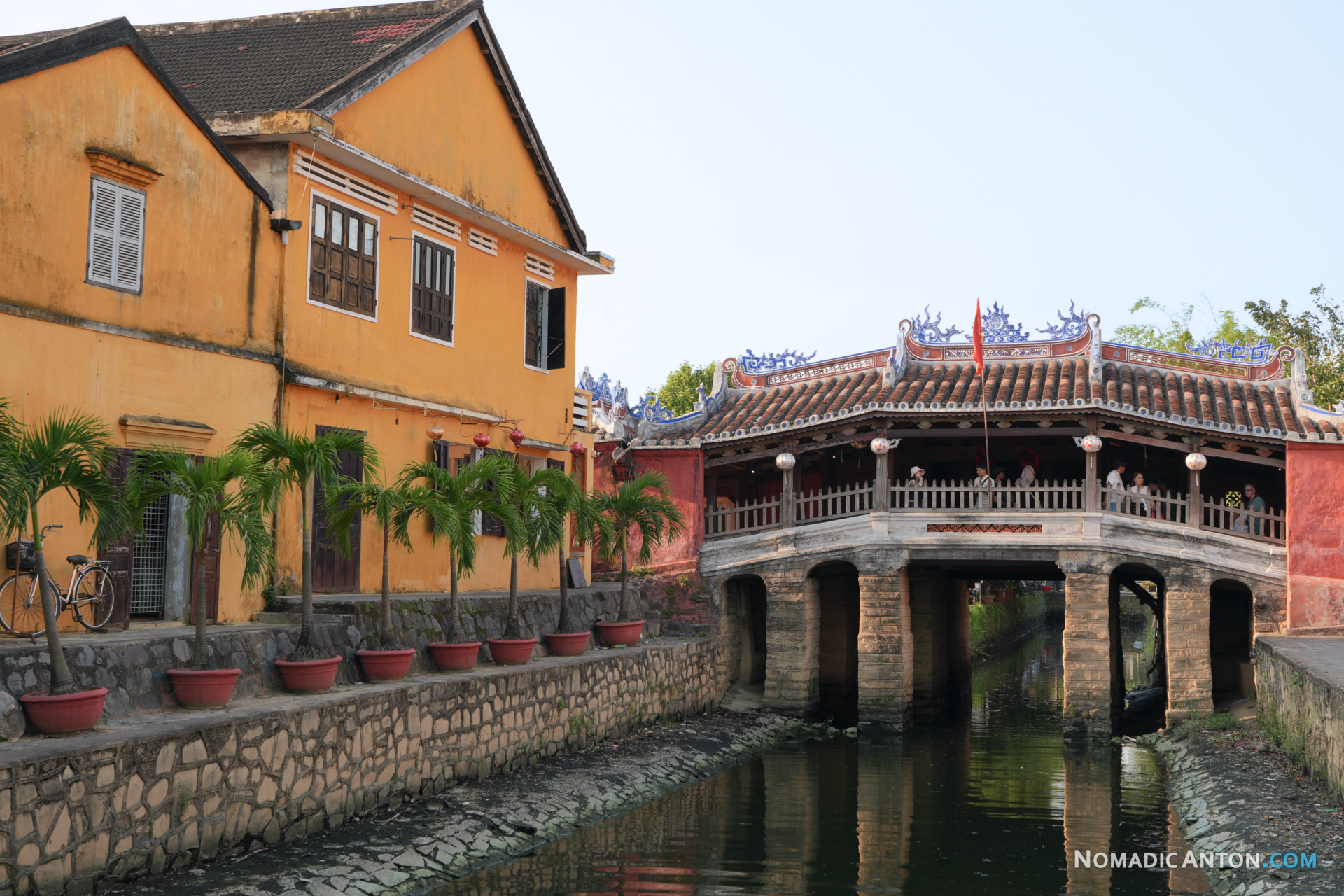
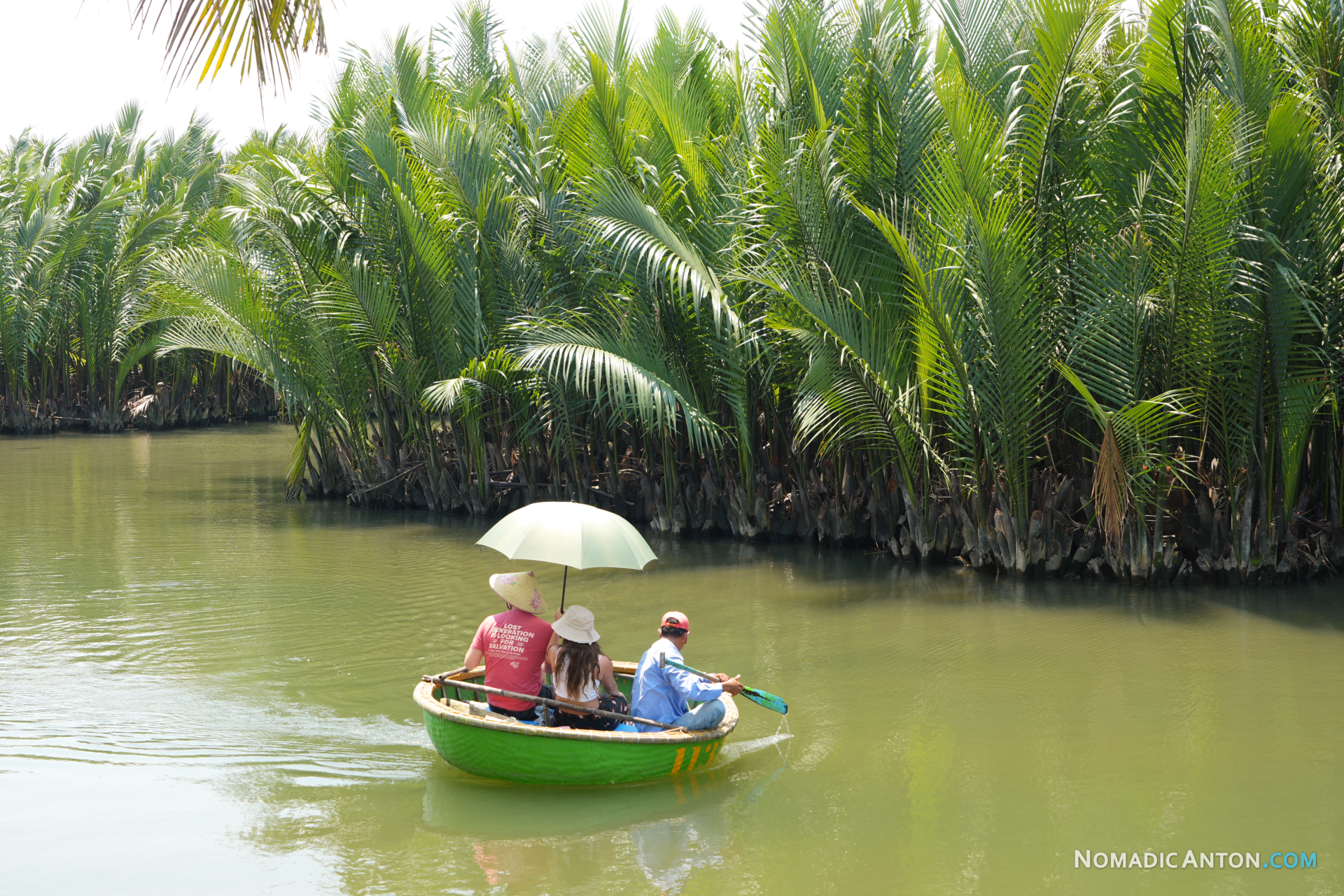
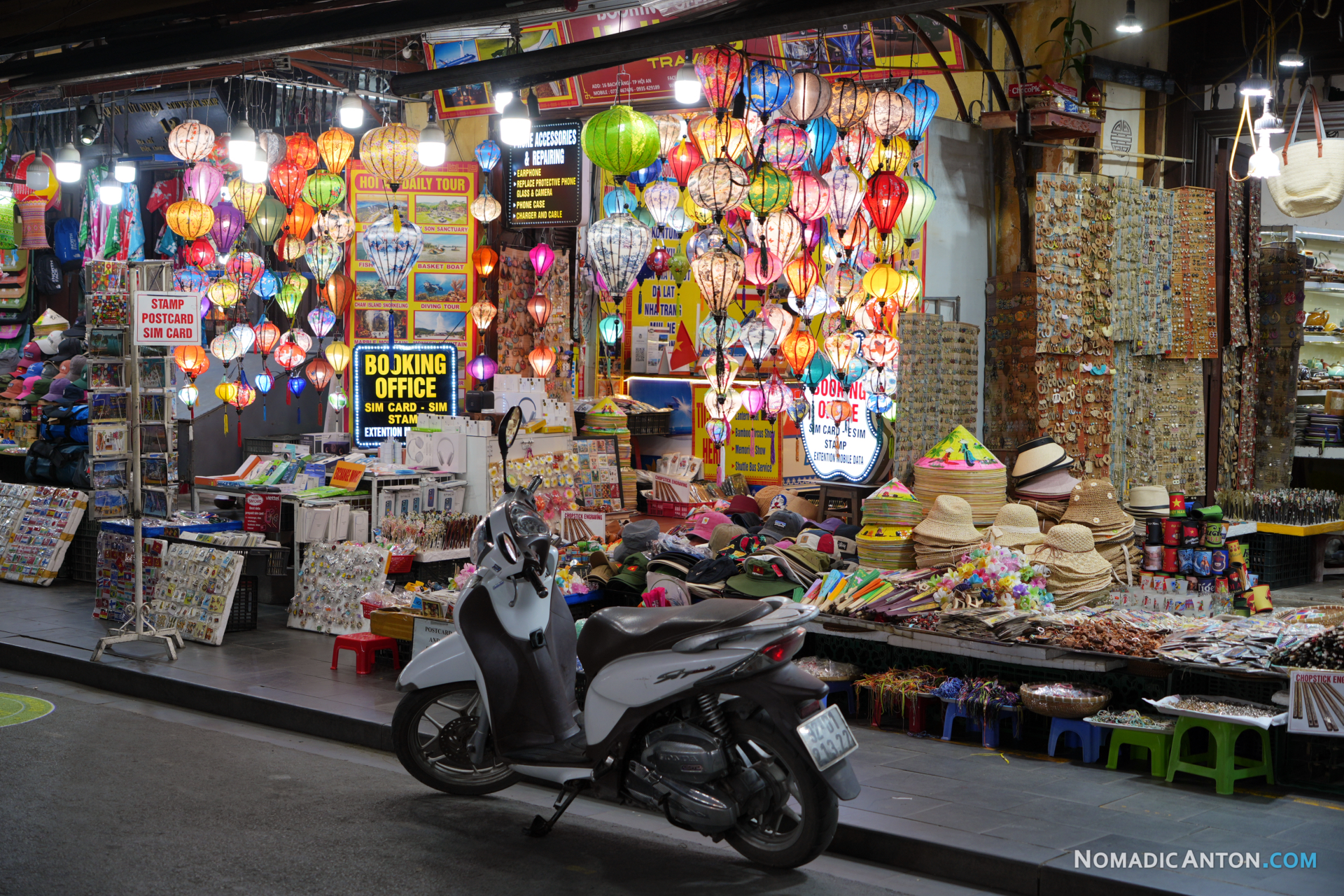
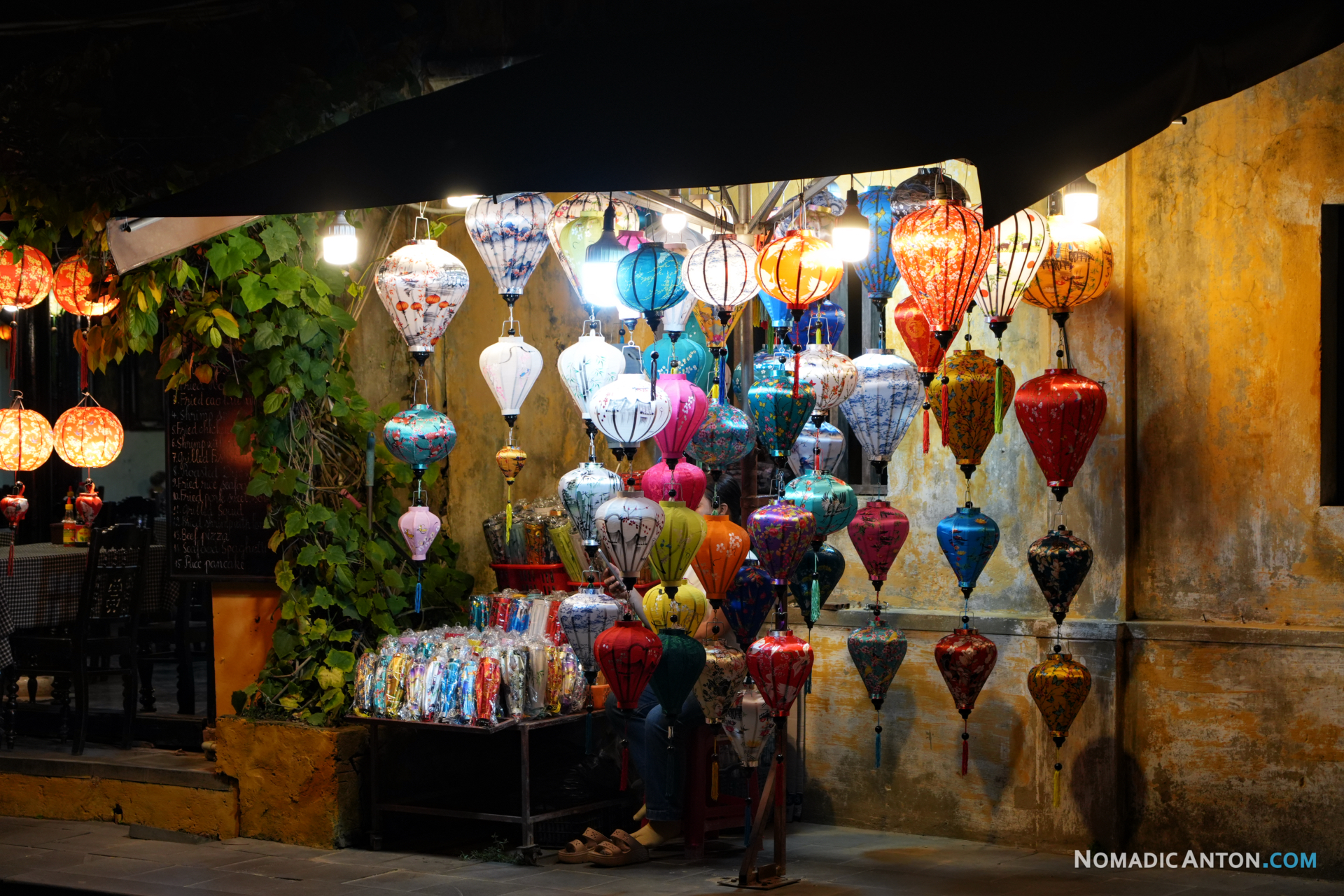
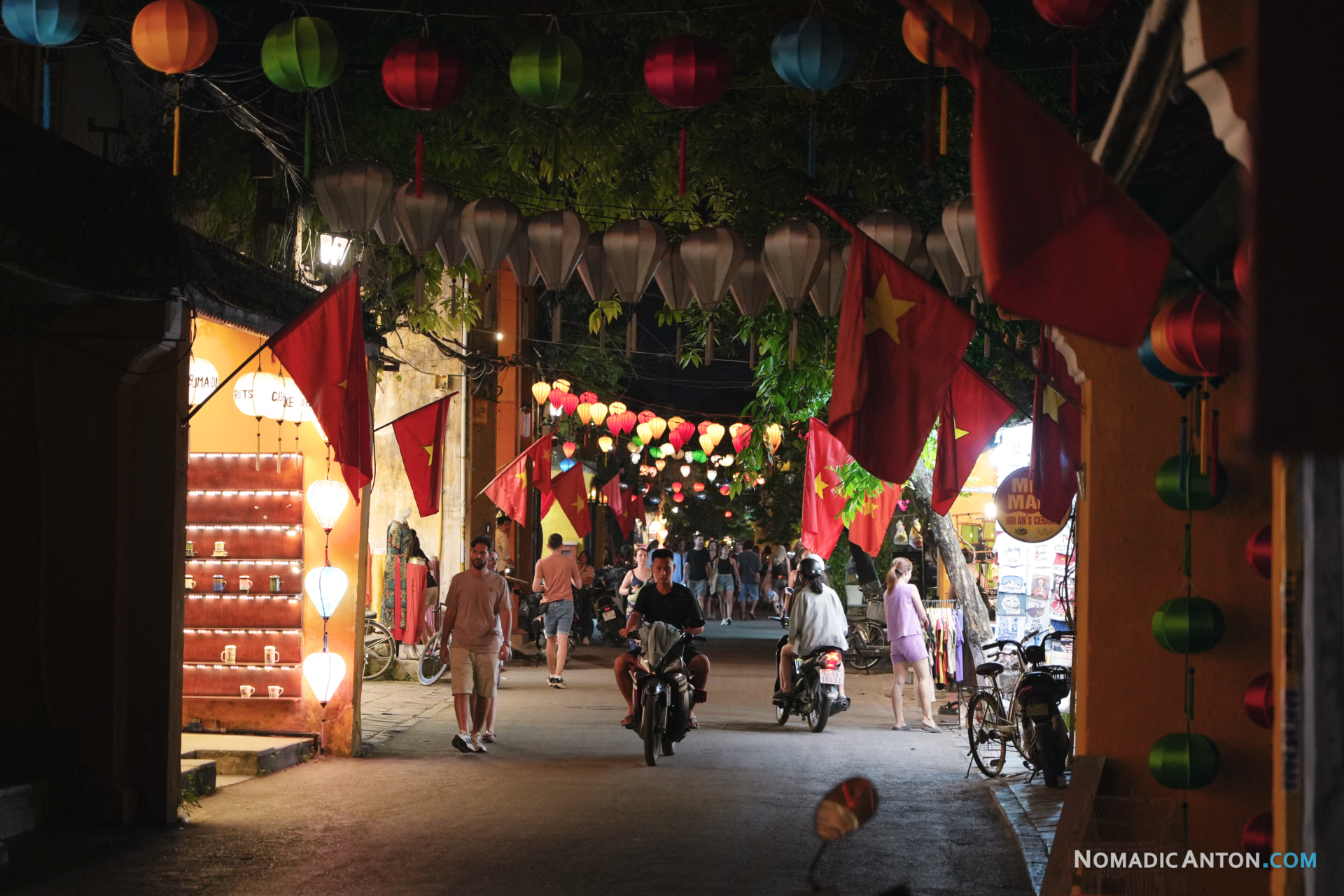
Hoi An is a UNESCO World Heritage Site, a former merchant port that flourished from the 15th through the 19th centuries. The Old Town is remarkably intact: narrow lanes, wooden merchant houses, the Japanese Covered Bridge, and the Thu Bon River strung with lanterns at night.
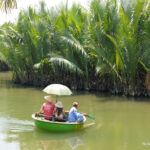
The historic center is so photogenic it felt almost like everything was staged just for you to enjoy. At times there were more Western faces than local ones on the streets, and at times German was the dominant language I heard. Hoi An is a perfect match for those who are on their first trip to Asia, or who are retirees, or anyone who wants a safe and relaxed introduction to Vietnamese culture. All because Hoi An is small, walkable, very chill, and the food is excellent.
Is it touristy? Yes. But is it worth it? Absolutely.
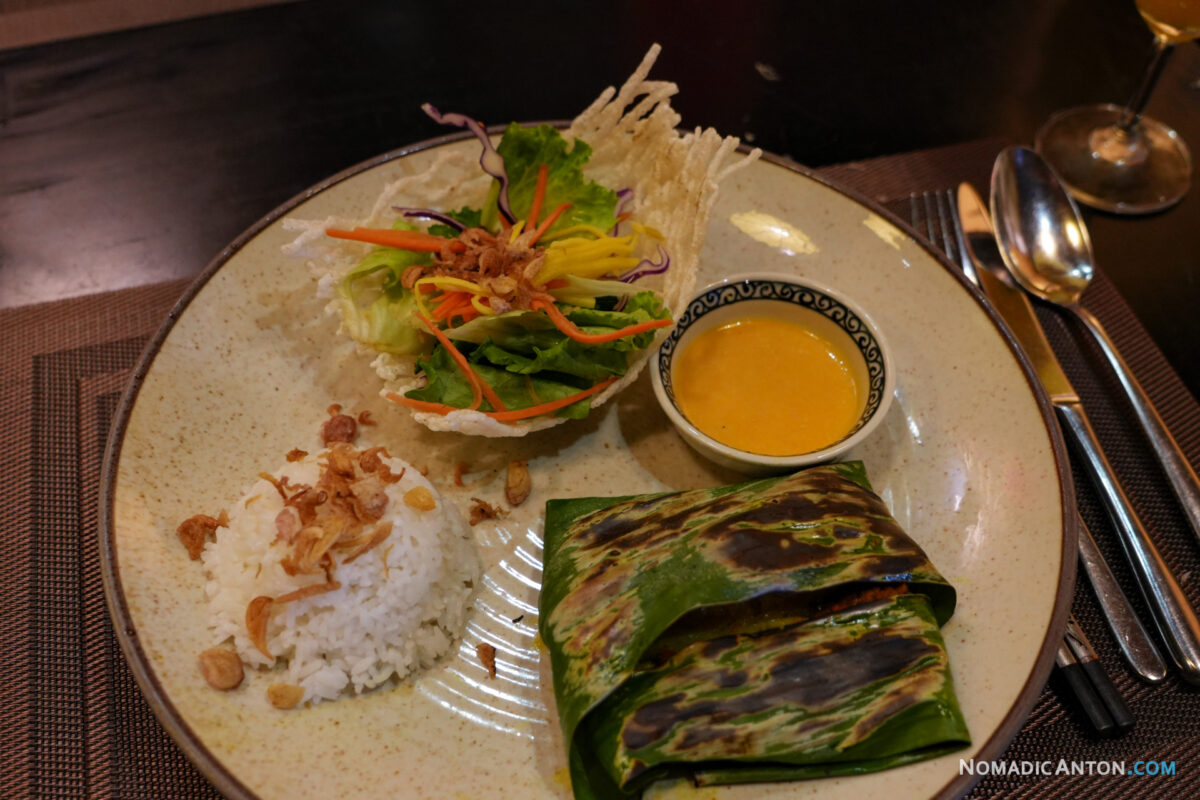
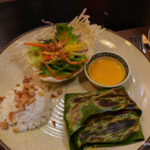
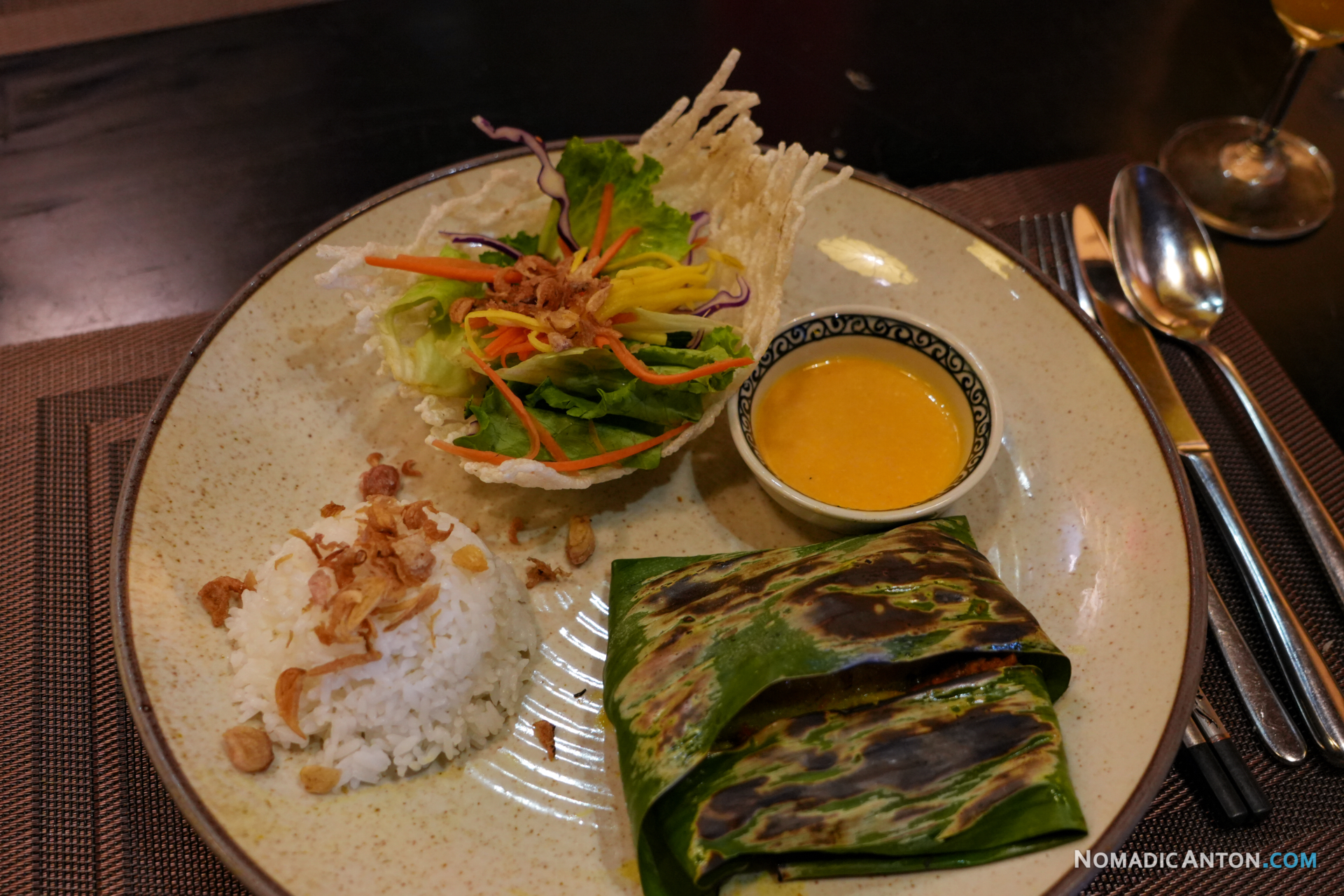
Central Vietnam has serious food credentials. Cao lau and white rose dumplings are Hoi An specialties you won’t find done well anywhere else. Banh mi here is among the best in the country. I also tried fish cooked in banana leaf, a simple preparation with great results. And of course my favorite egg coffee, which sounds strange until you taste it. It is somewhere between a dessert and a proper coffee, thick and sweet on top. I had it every chance I got.