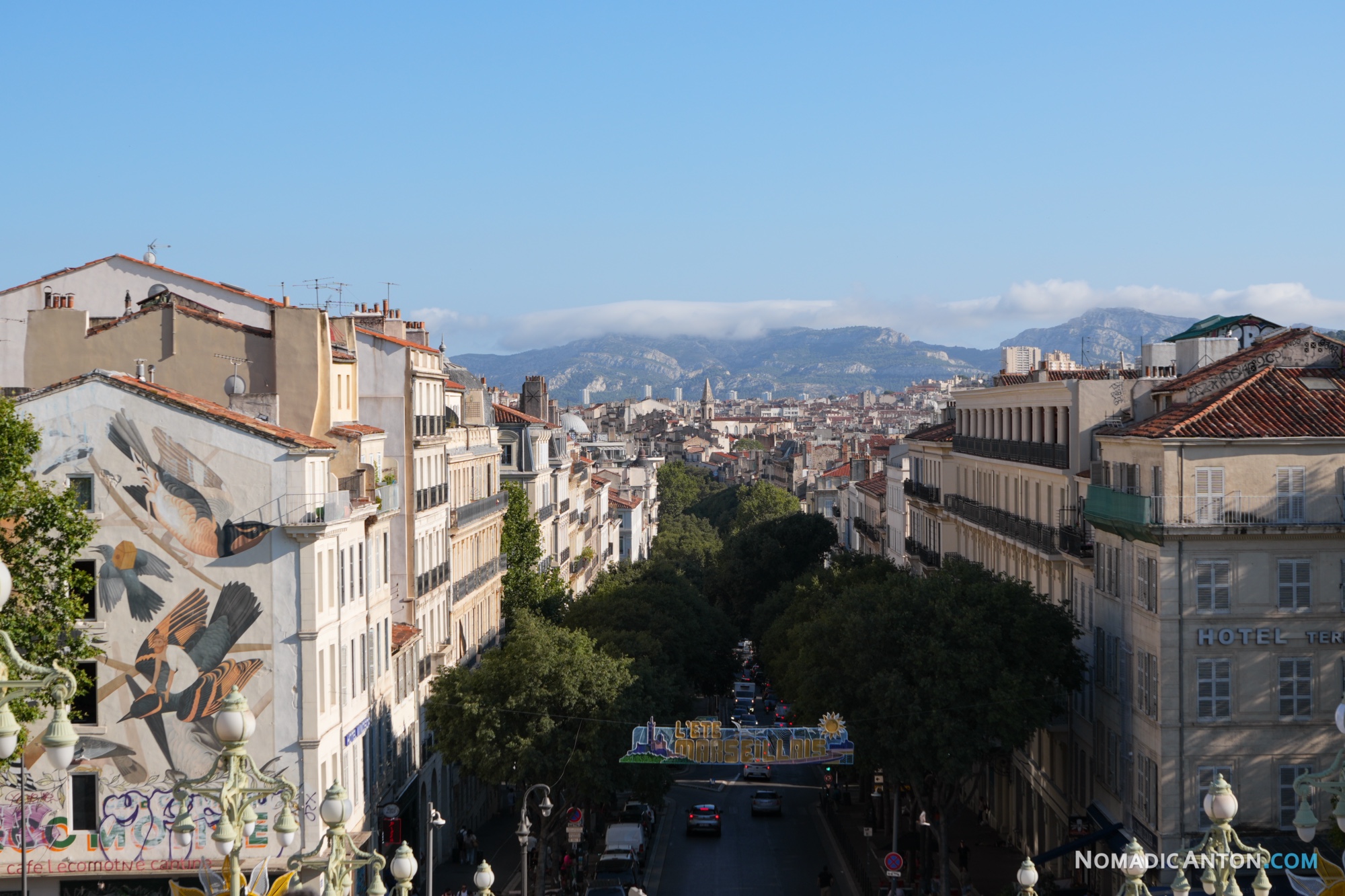
In July, I spent three days in Marseille on my first visit to the city. By the end of the trip, it had become my second favorite city in France after Paris.
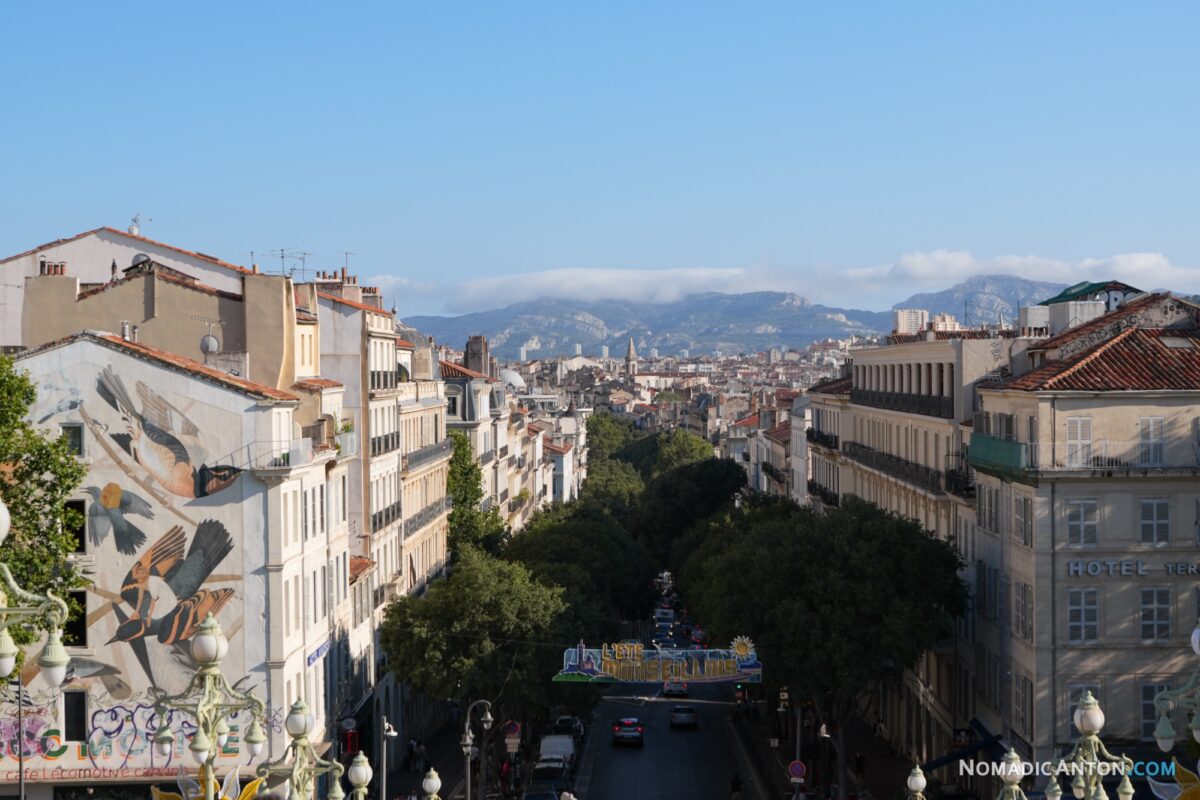
Before I went, I did not really know what to expect. Marseille has a mixed reputation, and I had heard plenty of things about crime, dirty streets, rough neighborhoods and some other issues. My experience was much more positive. I liked the old architecture, the Mediterranean atmosphere, the food and the fact that beaches, hills and the Calanques are so close to a major port city.
I stayed at a hotel right near Vieux Port, which is the heart of the city. I walked a lot and used public transport whenever I needed to go farther. These are the places I enjoyed most.
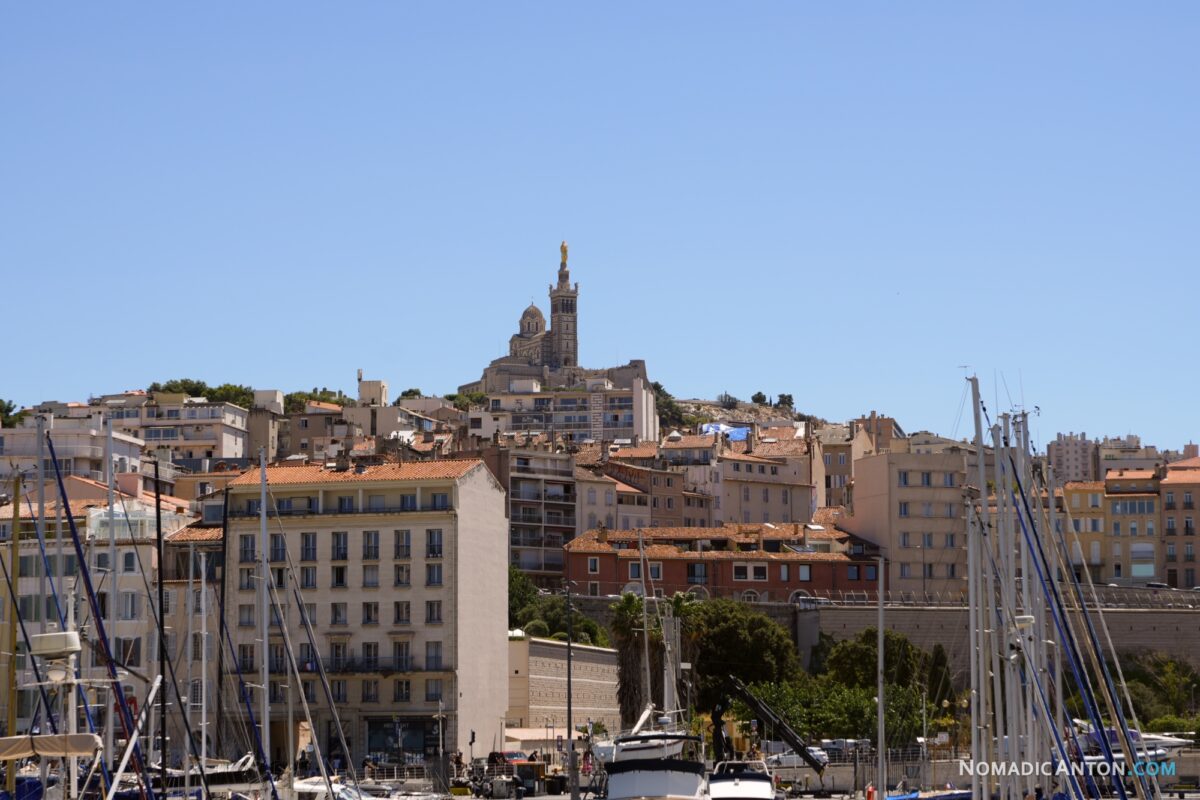
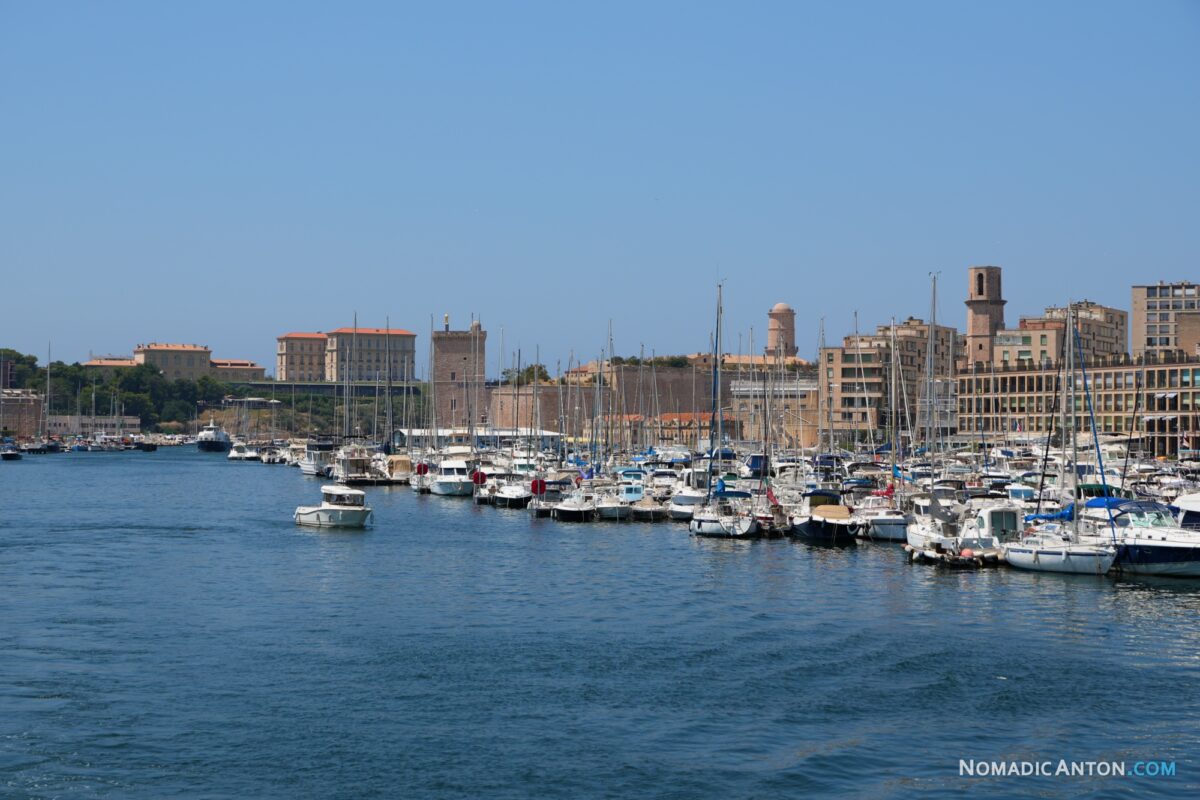
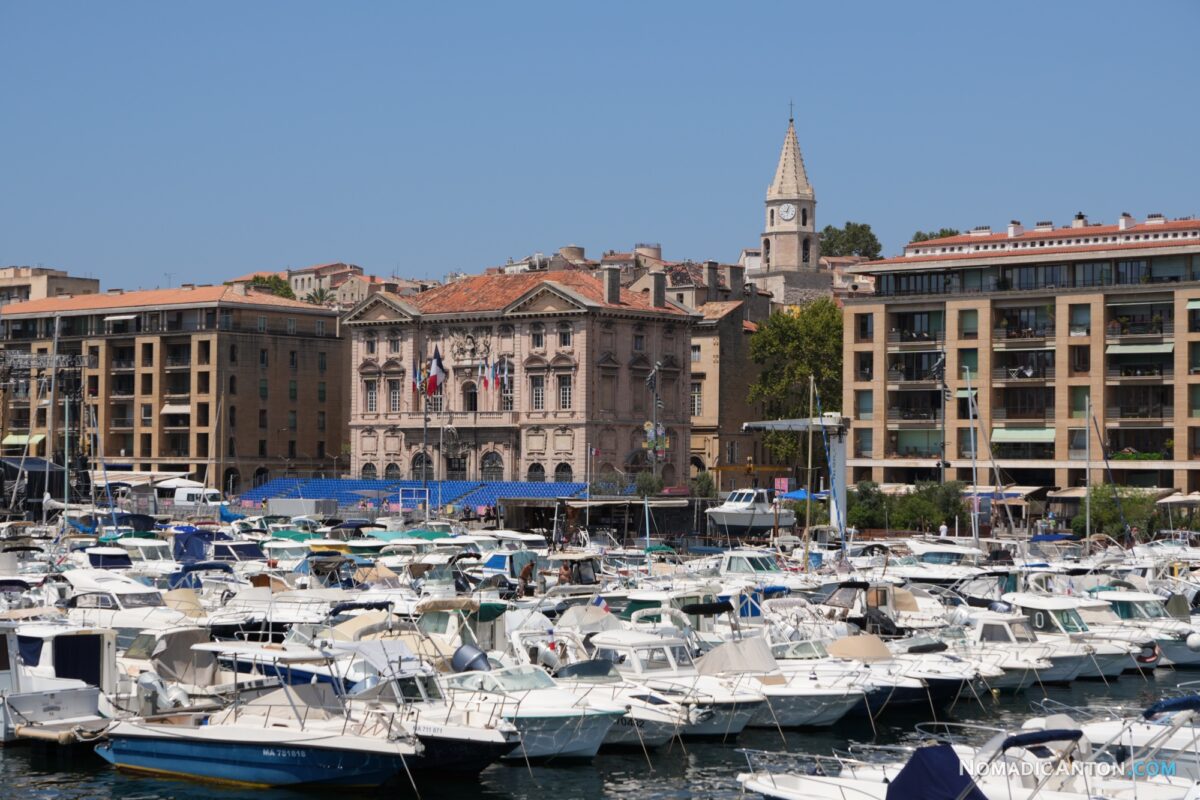
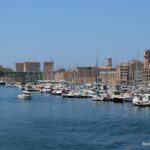
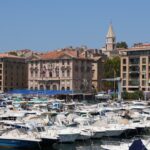
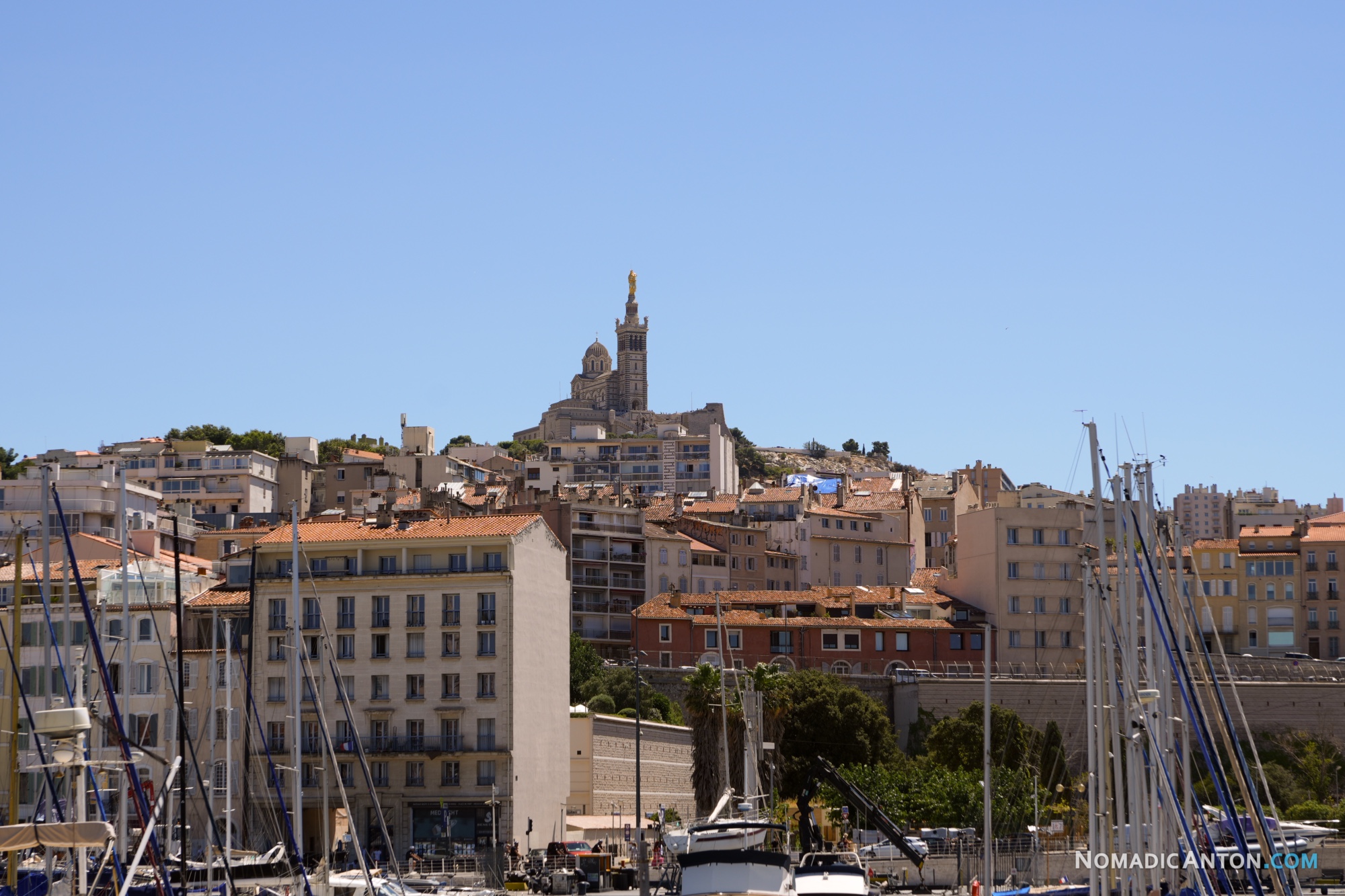
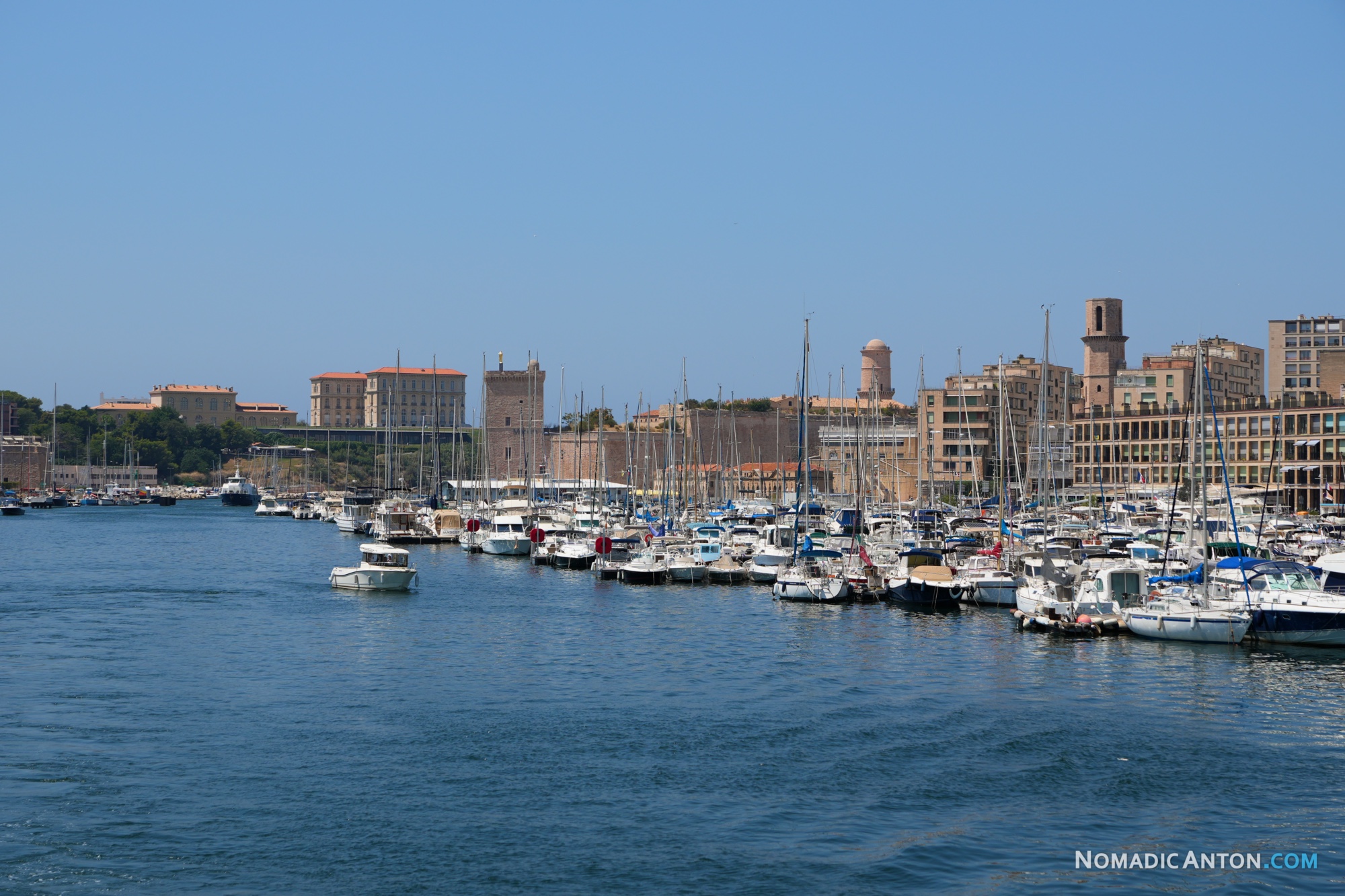
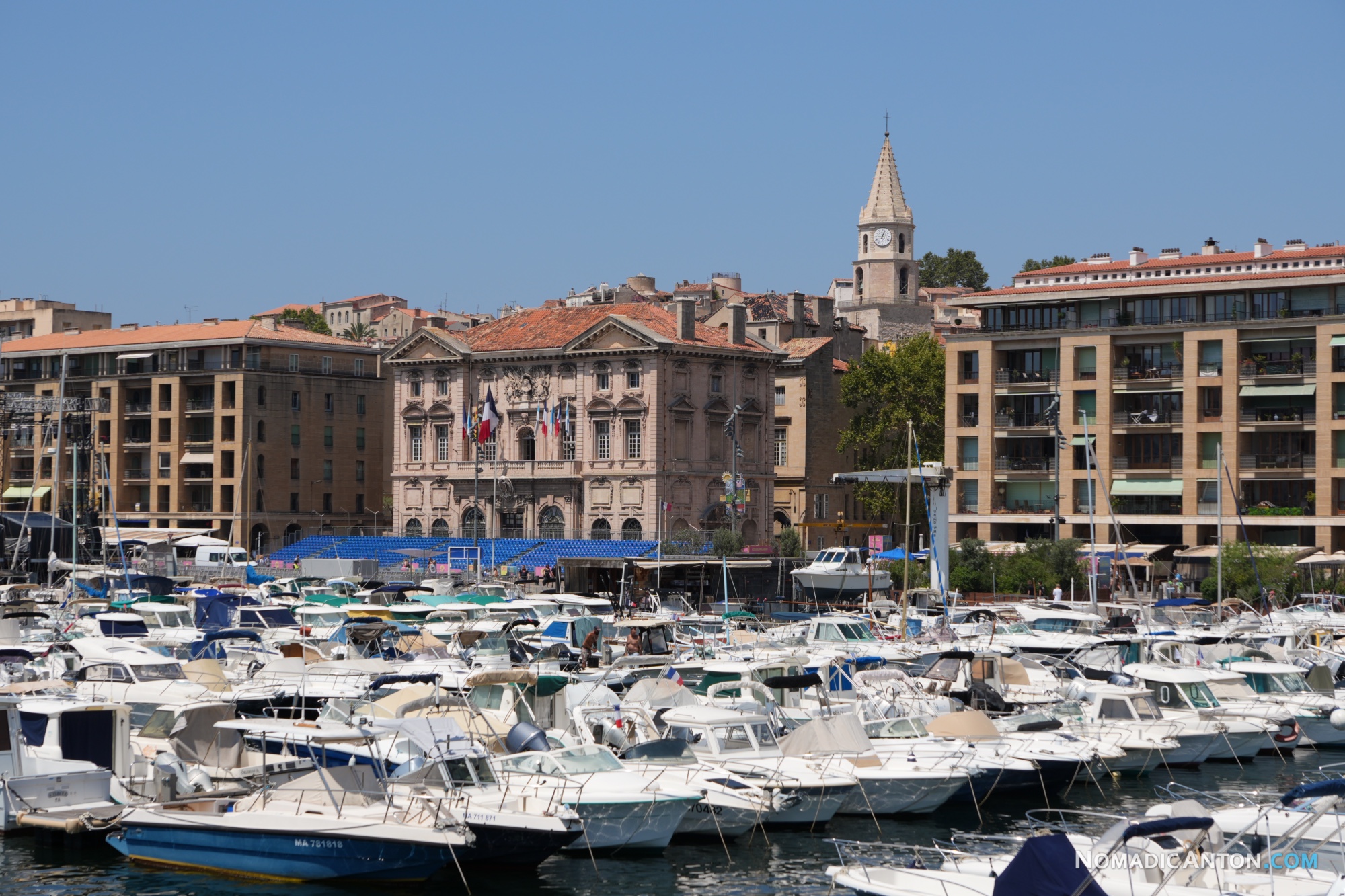
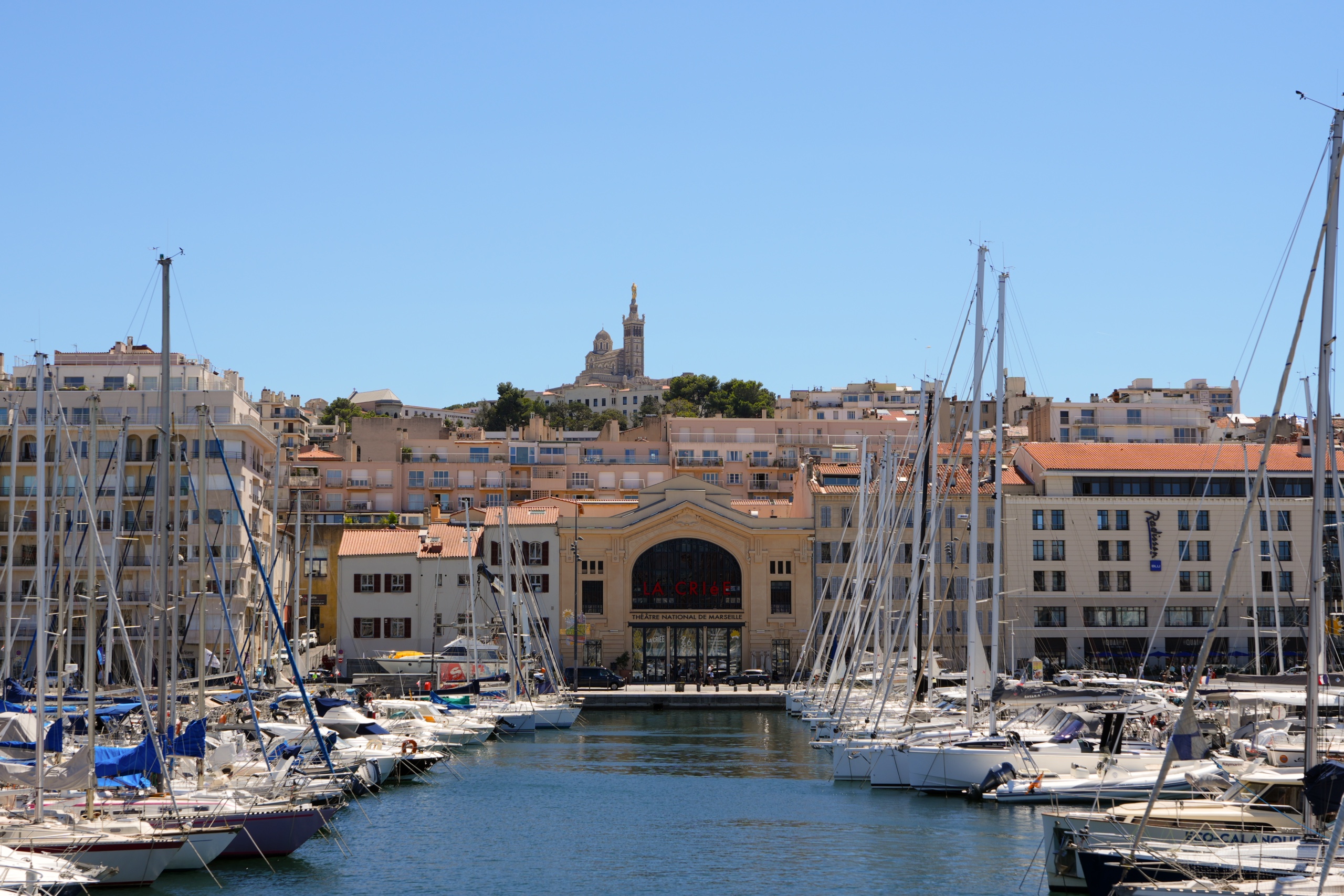
Vieux Port was the place I passed through numerous times during my stay. Marseille began here more than 2,600 years ago, when Greek settlers founded Massalia around the natural harbor. Today, the port is filled mostly with leisure boats, and restaurants and cafés line the waterfront. There is still a fish market in the morning. Boats also leave from here for the Calanques, the Frioul Islands and other places along the coast.
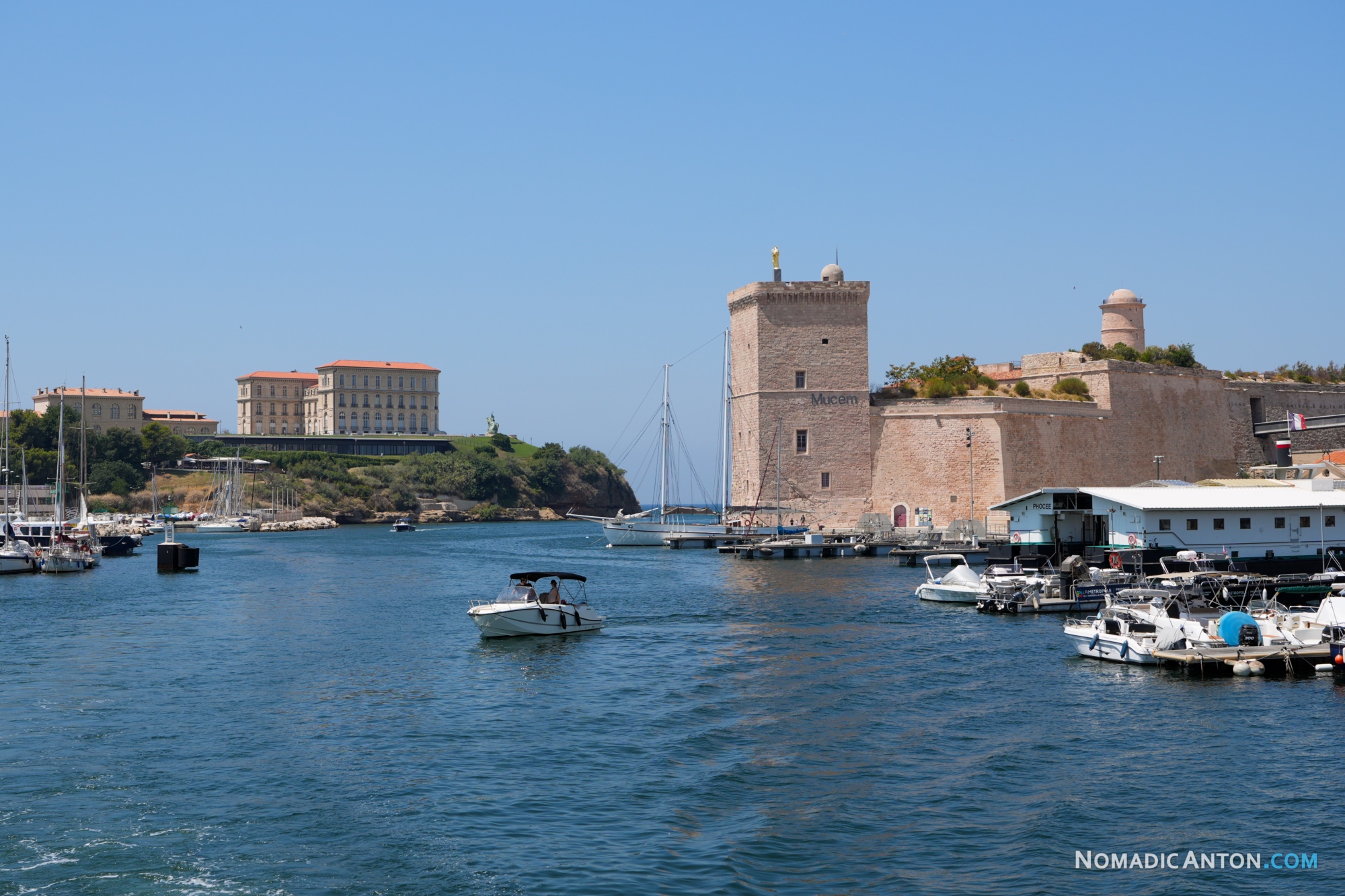
Staying nearby was convenient. Le Panier is just behind the port, Mucem is within walking distance, and there are metro and bus connections nearby. I could return to my hotel during the day, rest and go out again for dinner.
Le Panier is arguably my favorite neighborhood in central Marseille. It is also the oldest part of the city. I walked through the streets, went up and down the stairs and stopped at a shop for ice cream.
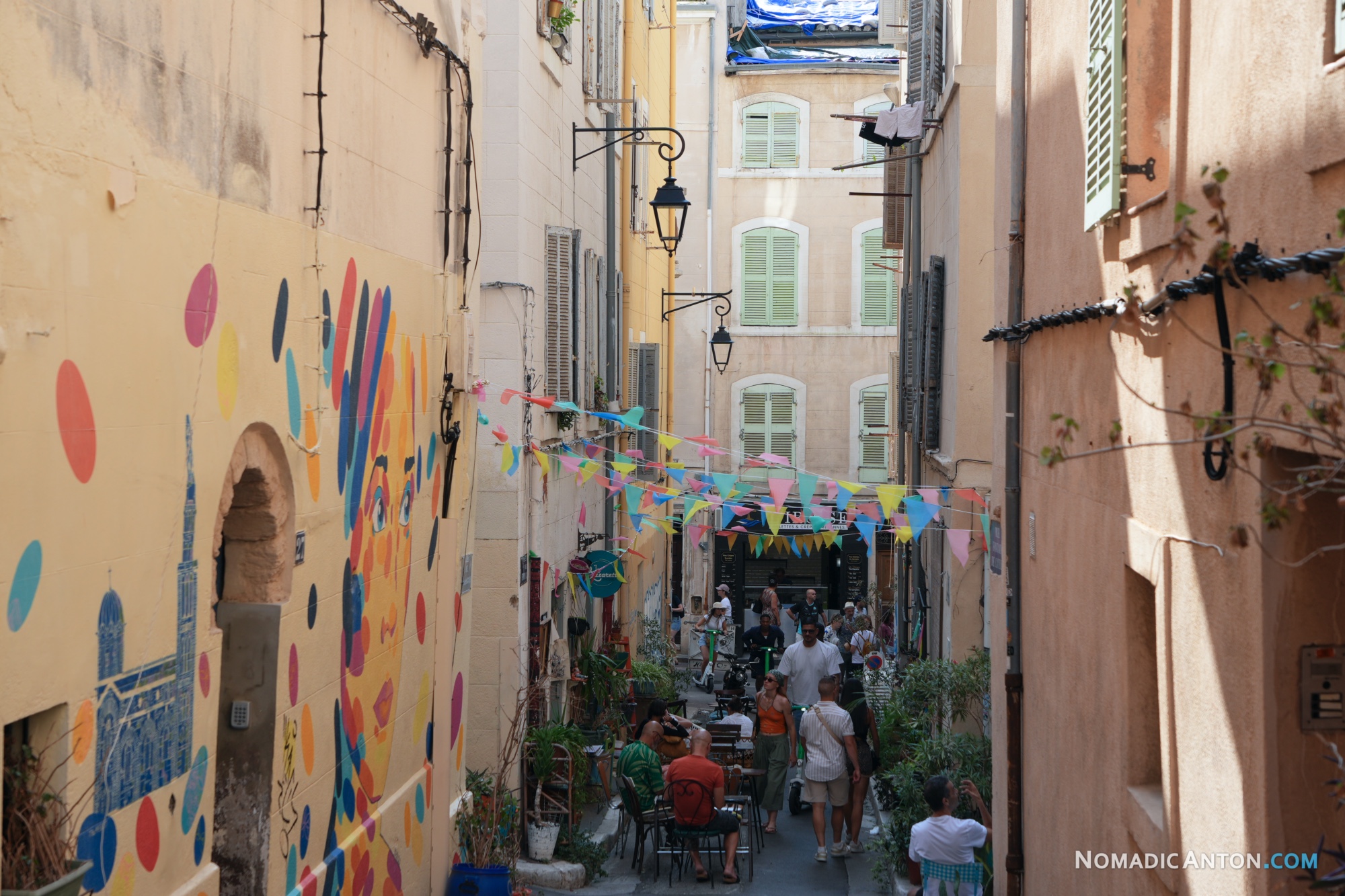
There are colorful buildings, small squares, cafés and street art along the narrow alleys. Some streets look beautifully renovated, while others are more neglected. I think that mix suits Marseille well.
I also stopped at Vieille Charité, a large complex originally built for the city’s poor. Inside is a courtyard with a Baroque chapel in the middle. The surrounding buildings now house museums and exhibition spaces. I did not spend long there, but it was definitely worth a stop while I was in the neighborhood.
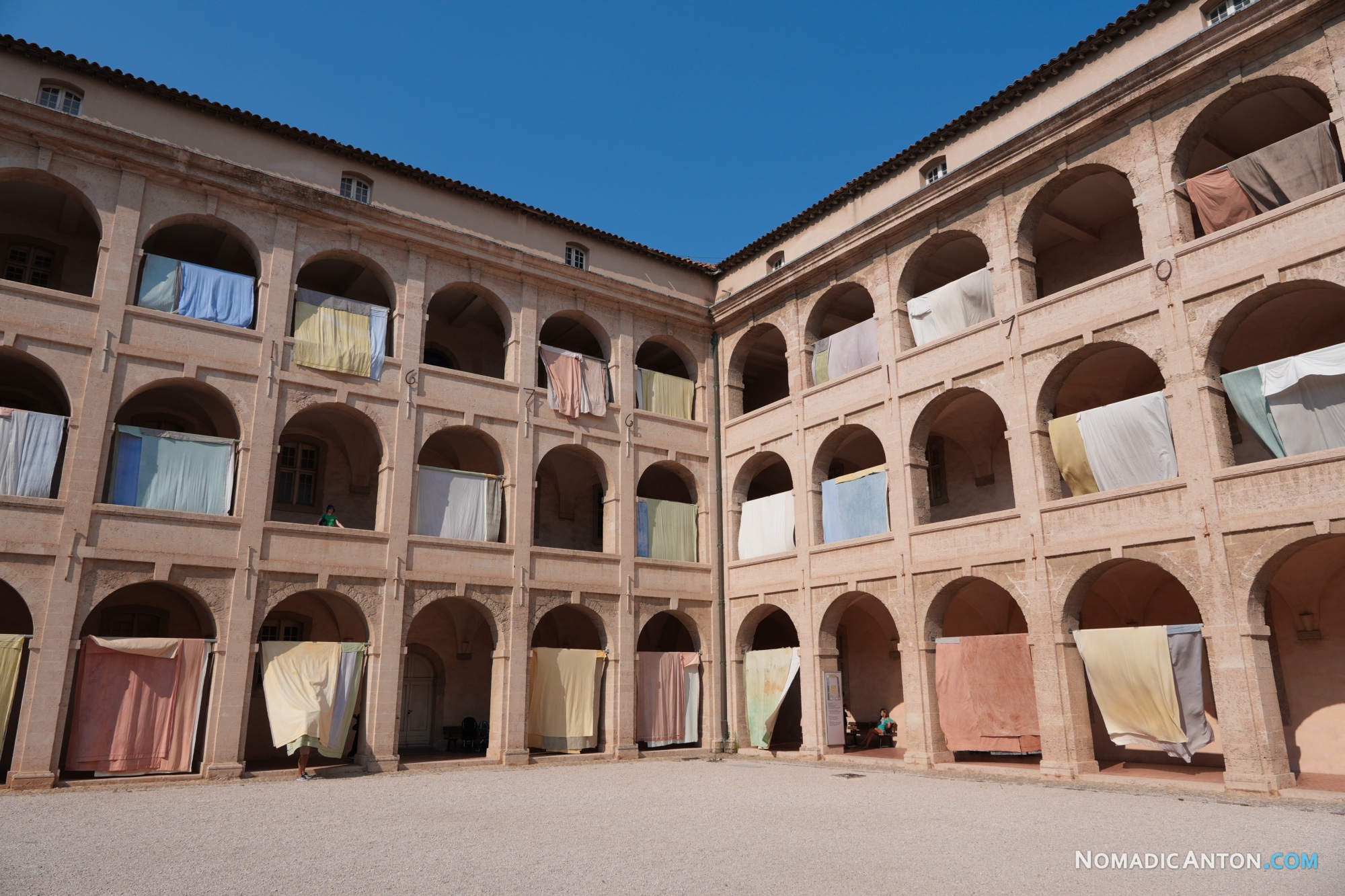
In Le Panier, give yourself an hour or two to wander around without a strict itinerary. For me, that was the best way to see it.
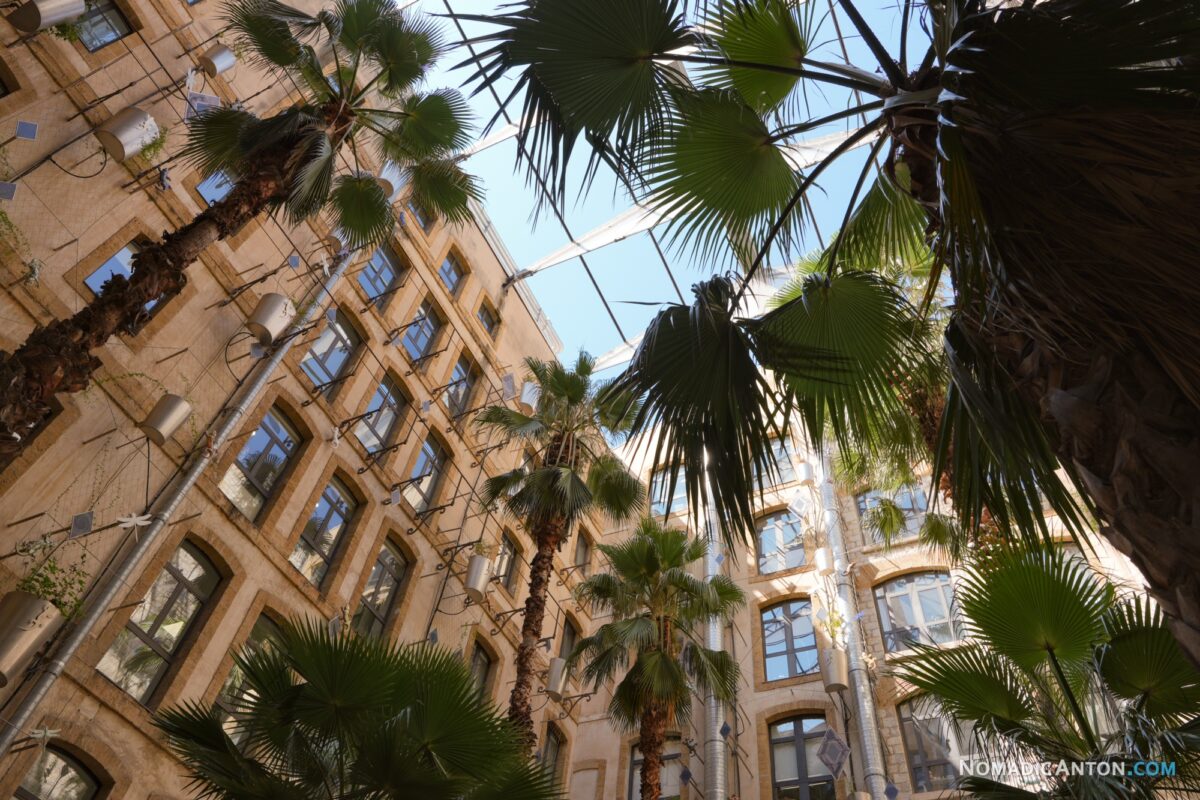
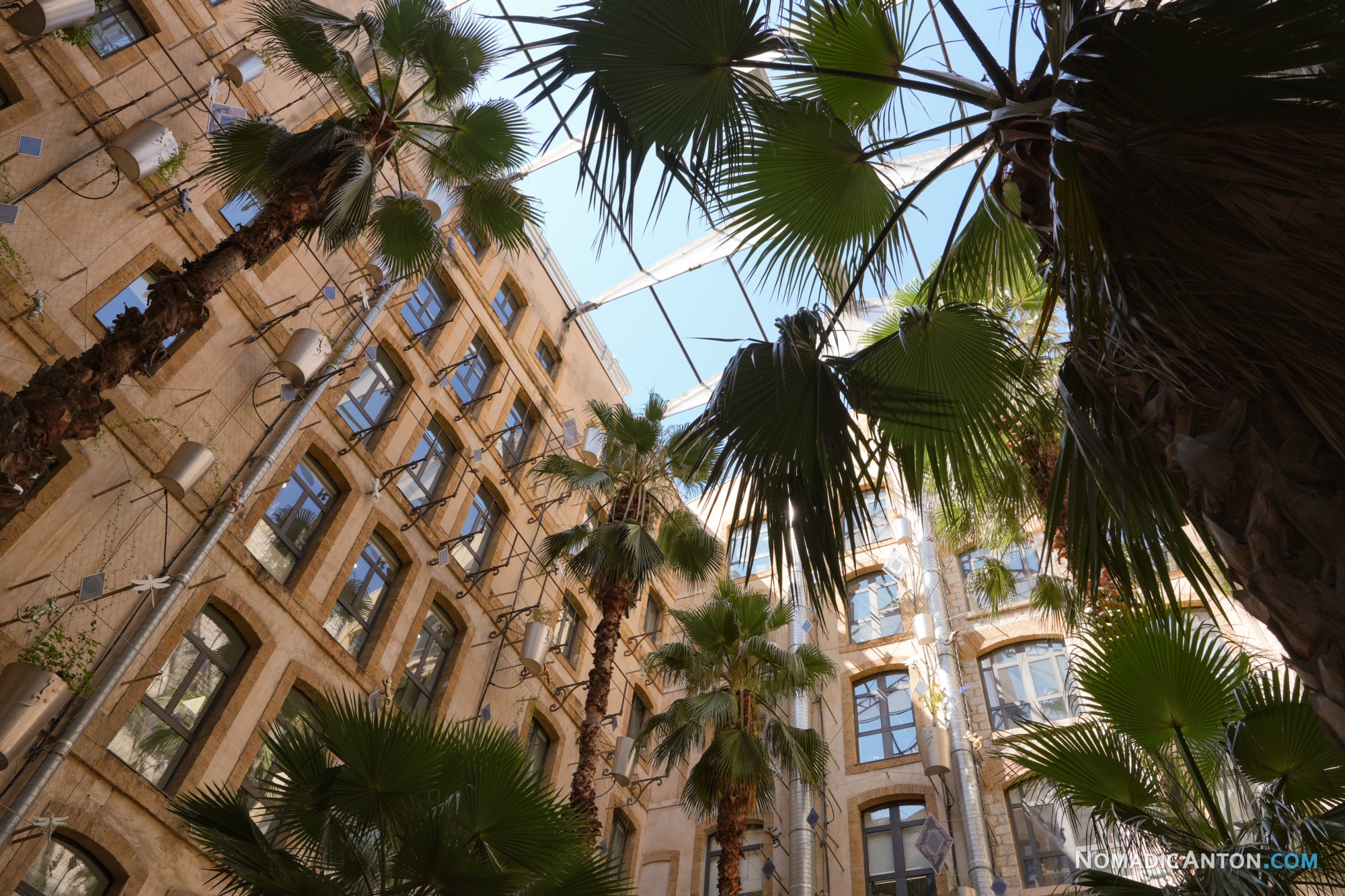
One late afternoon, I went to La Joliette and started at Les Docks Village. These former port warehouses now contain shops, restaurants, cafés and offices, with much of the industrial design still visible inside. I walked through the courtyards and had a cup of coffee there.
Across the road, I spent some time at Les Terrasses du Port. I window-shopped a bit, but the main reason I would recommend it is the large terrace facing the sea. From there you get a wide view over the port and the Mediterranean.
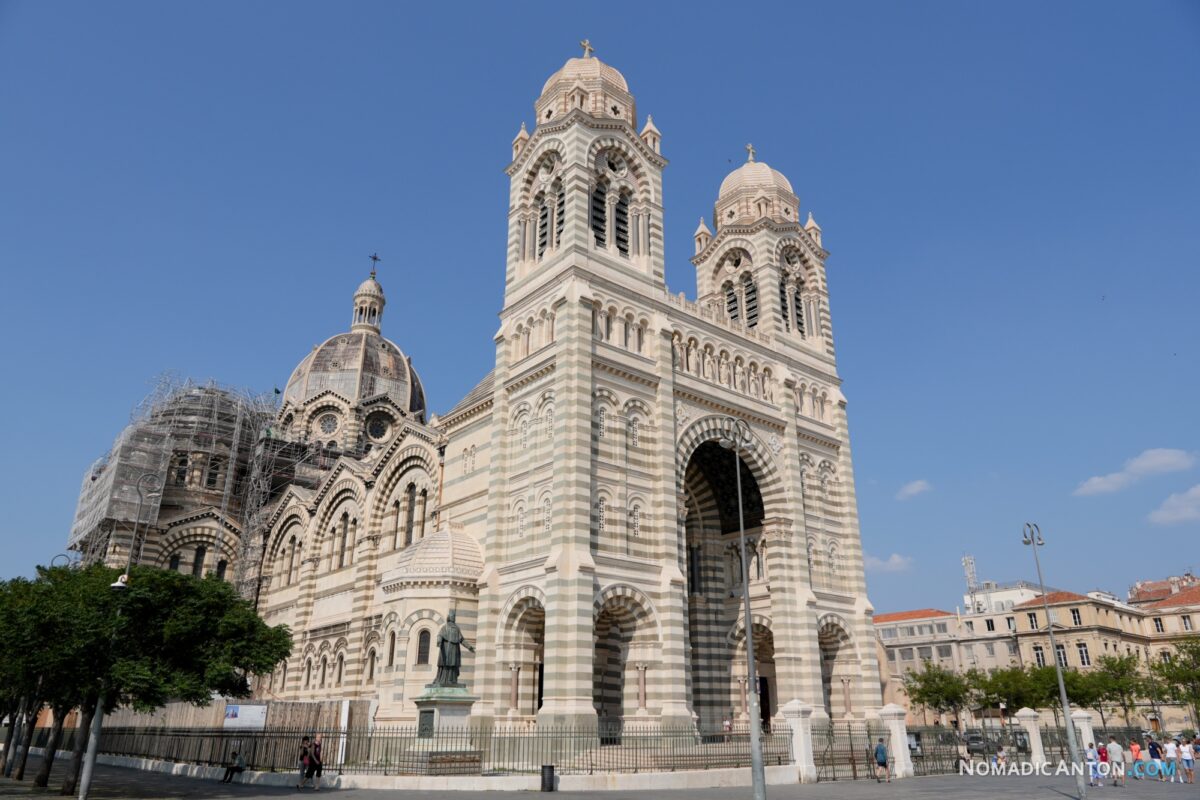
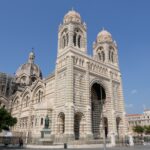
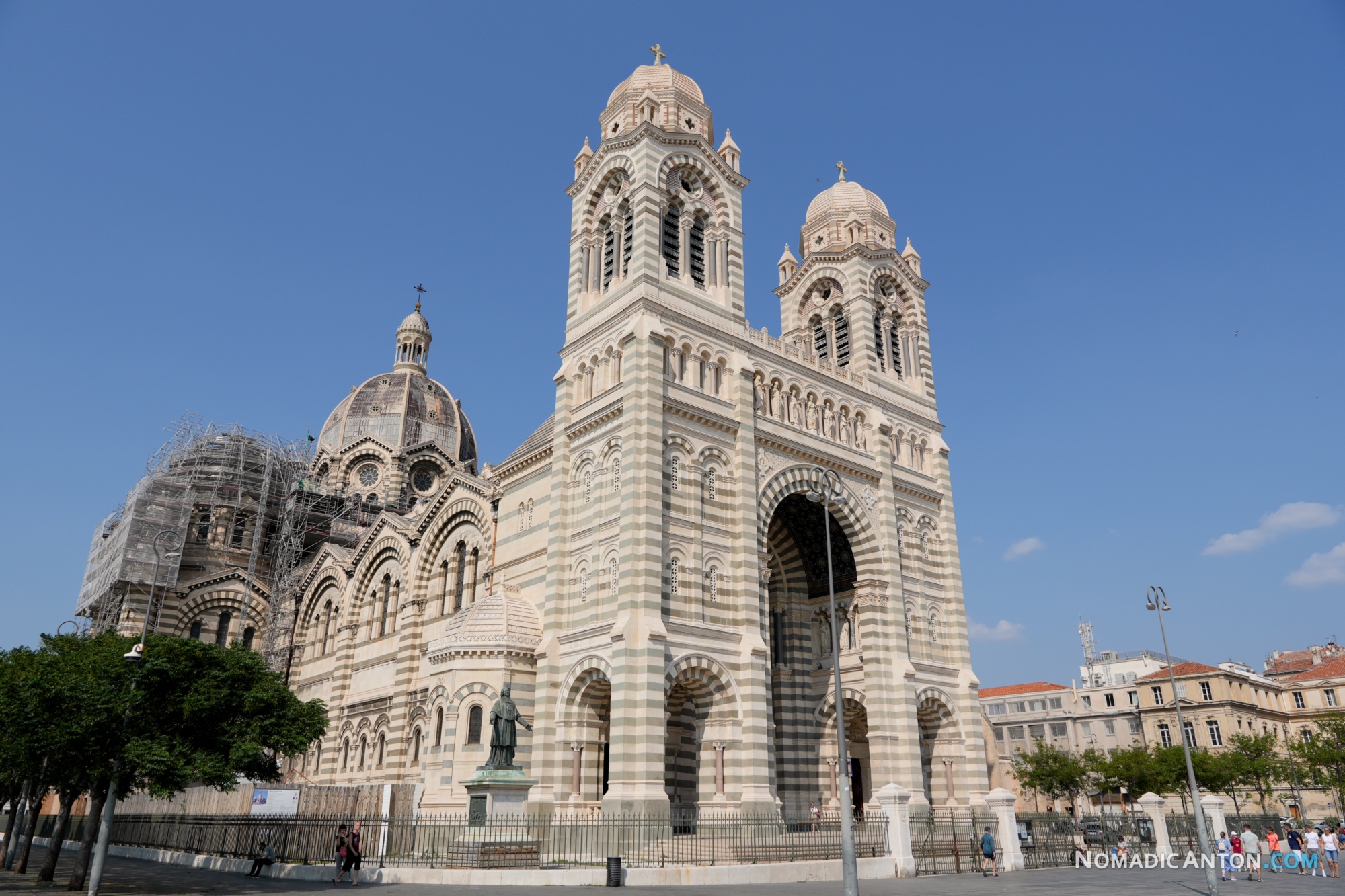
I then walked toward Cathédrale de la Major. Its full name is Cathédrale Sainte-Marie-Majeure, although most people simply call it La Major. Built in the 19th century, it has a striped stone exterior and huge domes that make it look different from many other French cathedrals. It is massive, too: 146 meters (479 feet) long, with a main dome that rises almost 70 meters (230 feet).
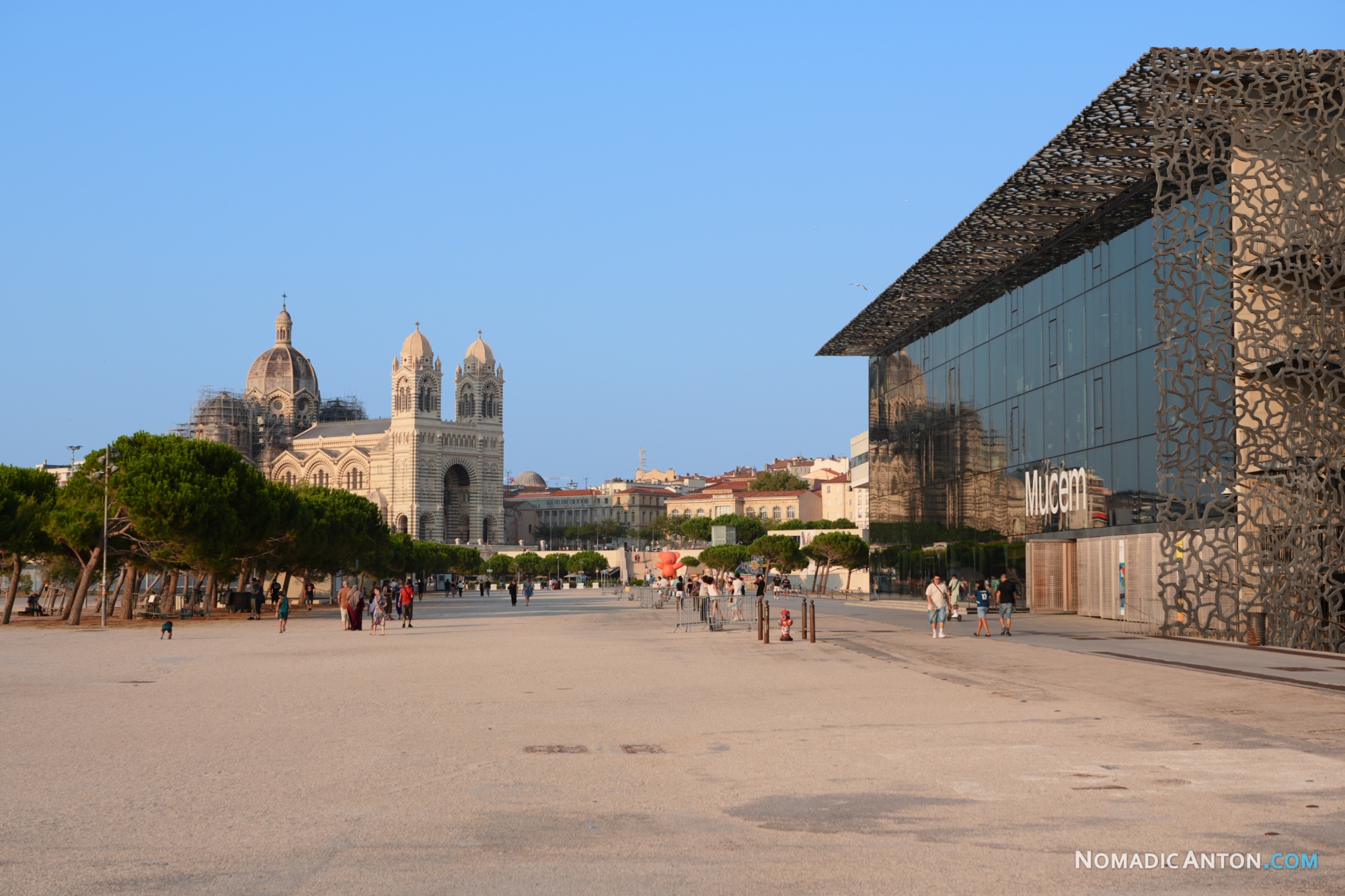
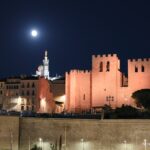
As sunset approached, I continued to Mucem, the Museum of European and Mediterranean Civilizations. The modern museum building opened in 2013 beside the much older Fort Saint-Jean, and pedestrian bridges connect the two. I finished with a walk along the waterfront around Mucem and the fort.
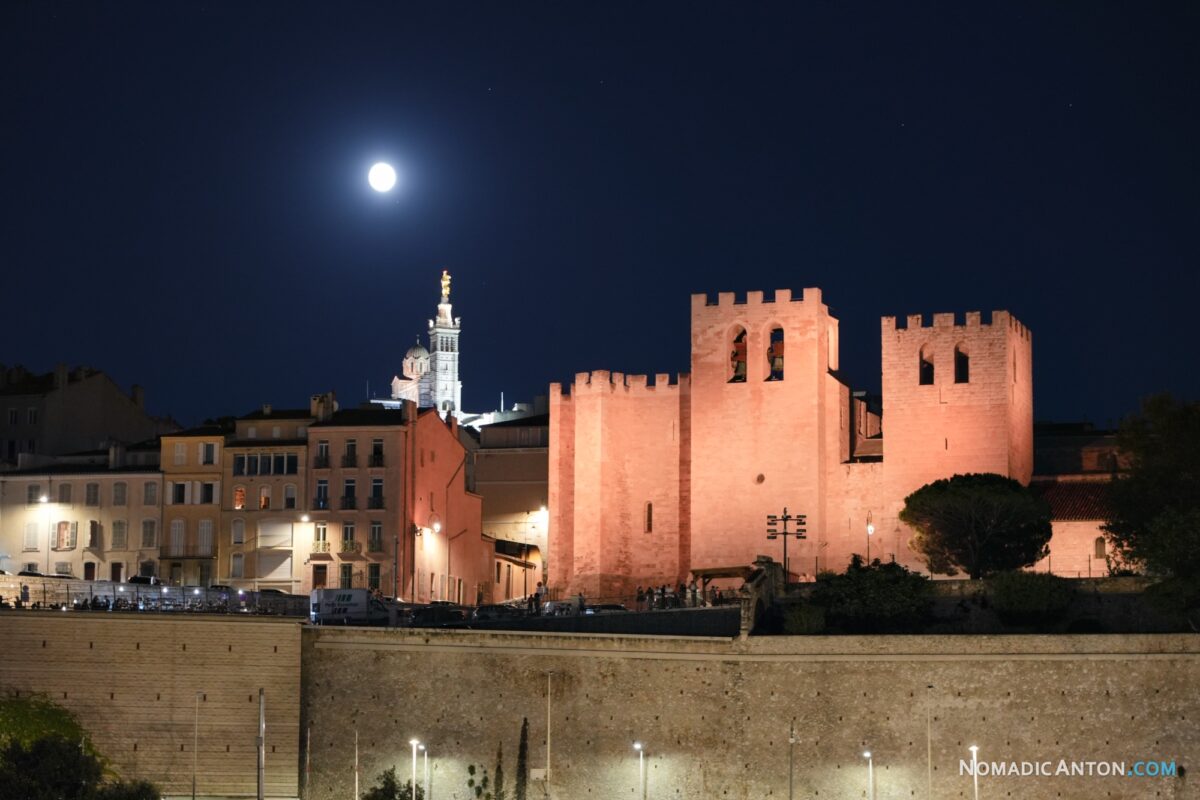
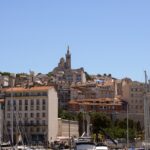
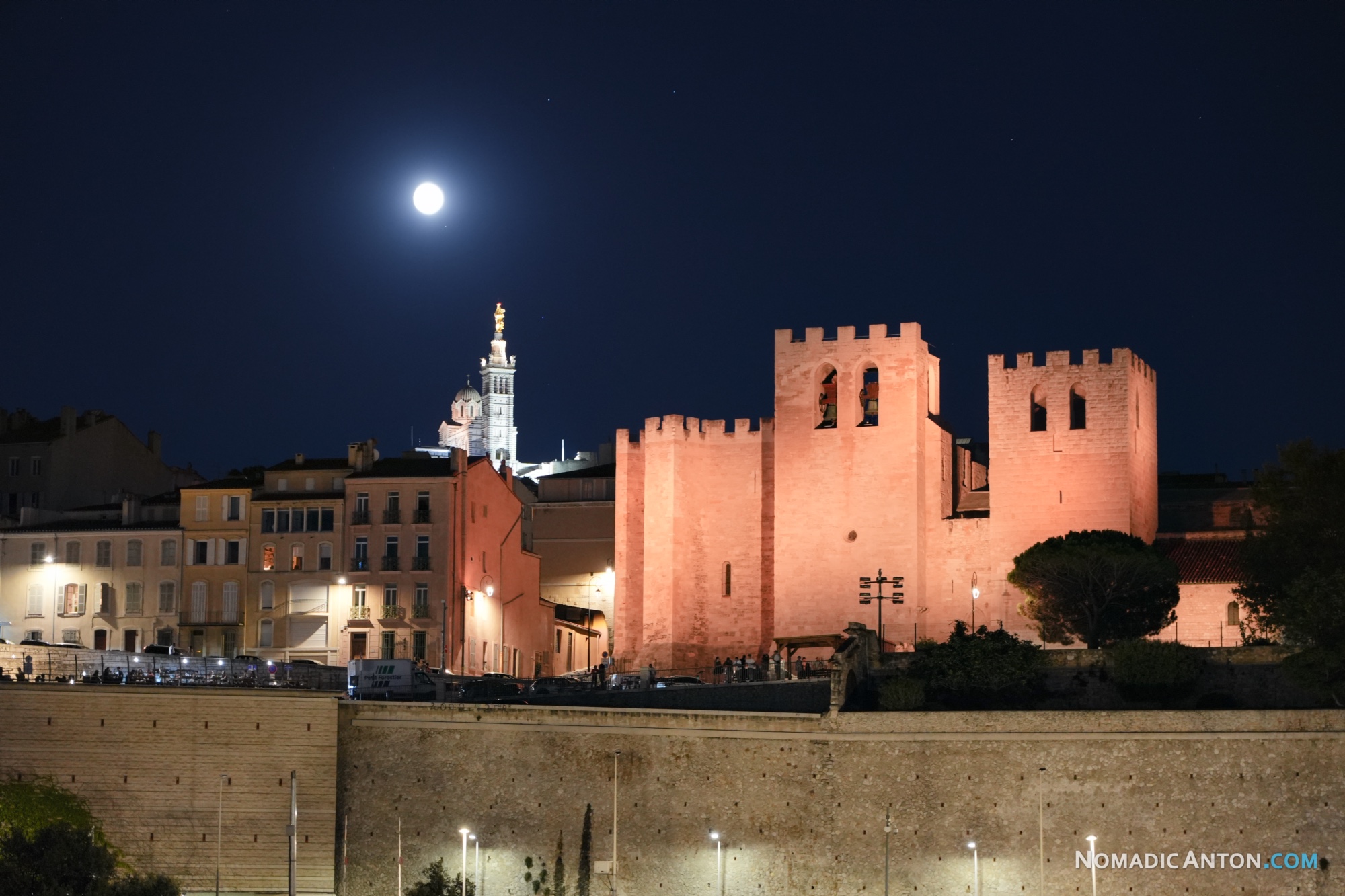
Notre-Dame de la Garde is impossible to miss. The basilica stands on a hill 154 meters (505 feet) above sea level, and you can see it from many parts of Marseille. Locals call it “La Bonne Mère”, or the Good Mother. Its connection with sailors and fishermen is visible inside, where model boats hang among the decorations.
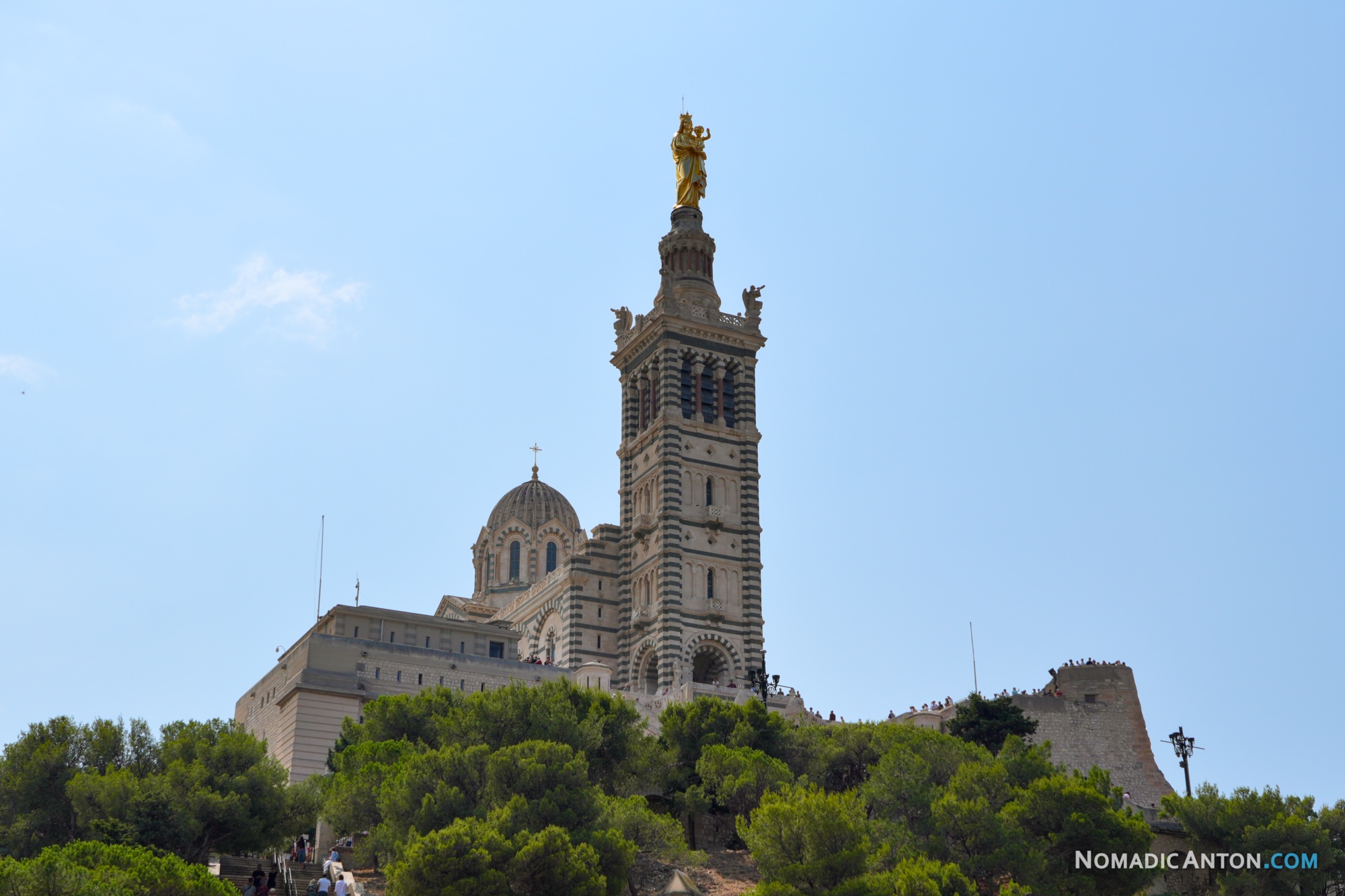
I took a bus up and down the hill. You can walk, of course, but Marseille already has enough hills and stairs, so I was happy to save some energy. The golden statue of the Virgin Mary on the bell tower is probably the most recognizable part of the basilica. Inside are colorful mosaics and striped stone.
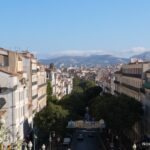
The view from the terraces was my favorite part. Vieux Port lies below, the city stretches far into the distance, and on the other side you can see the Mediterranean and the Frioul Islands. If you want one panoramic viewpoint over Marseille, I would choose this one.
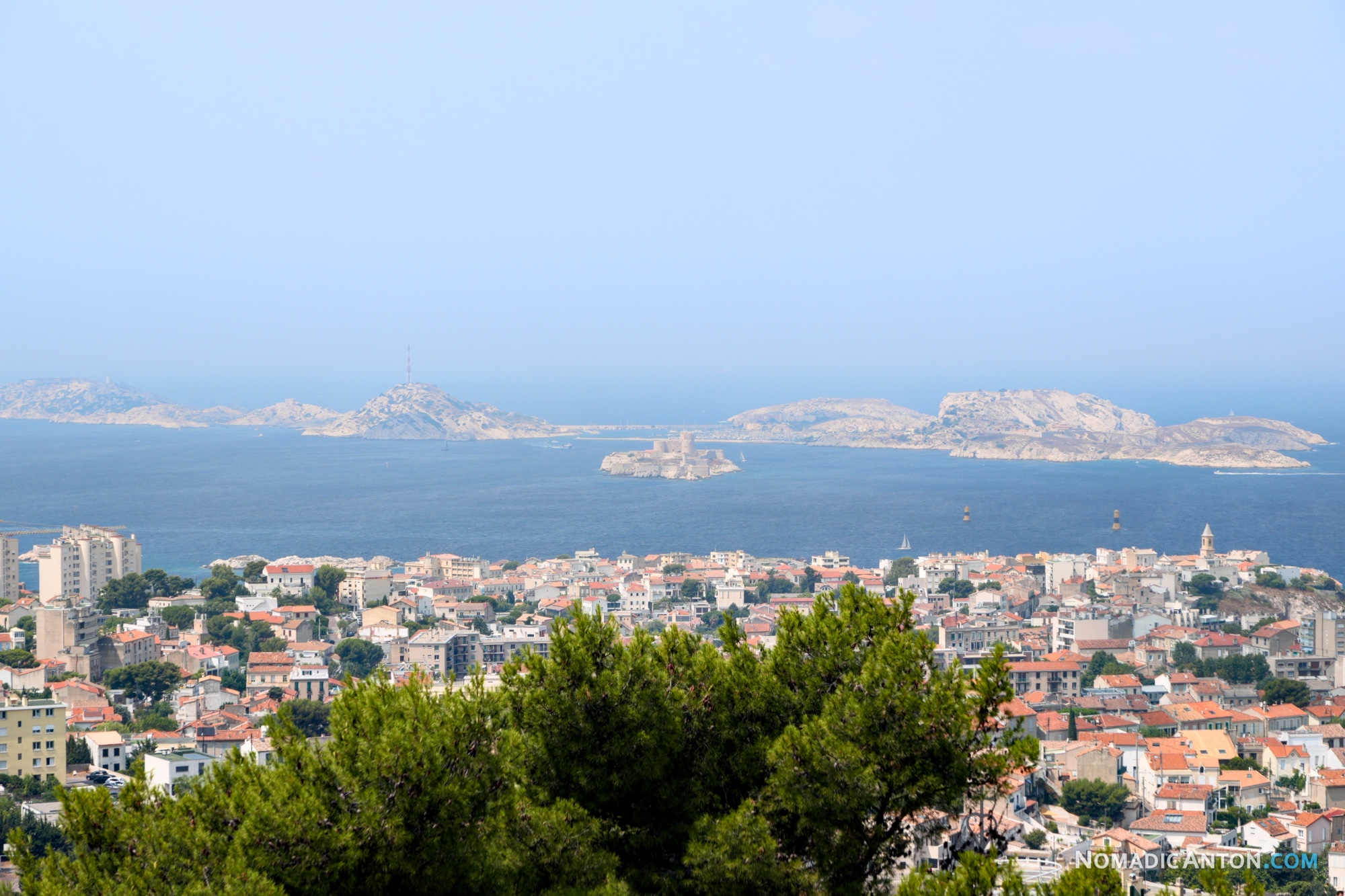
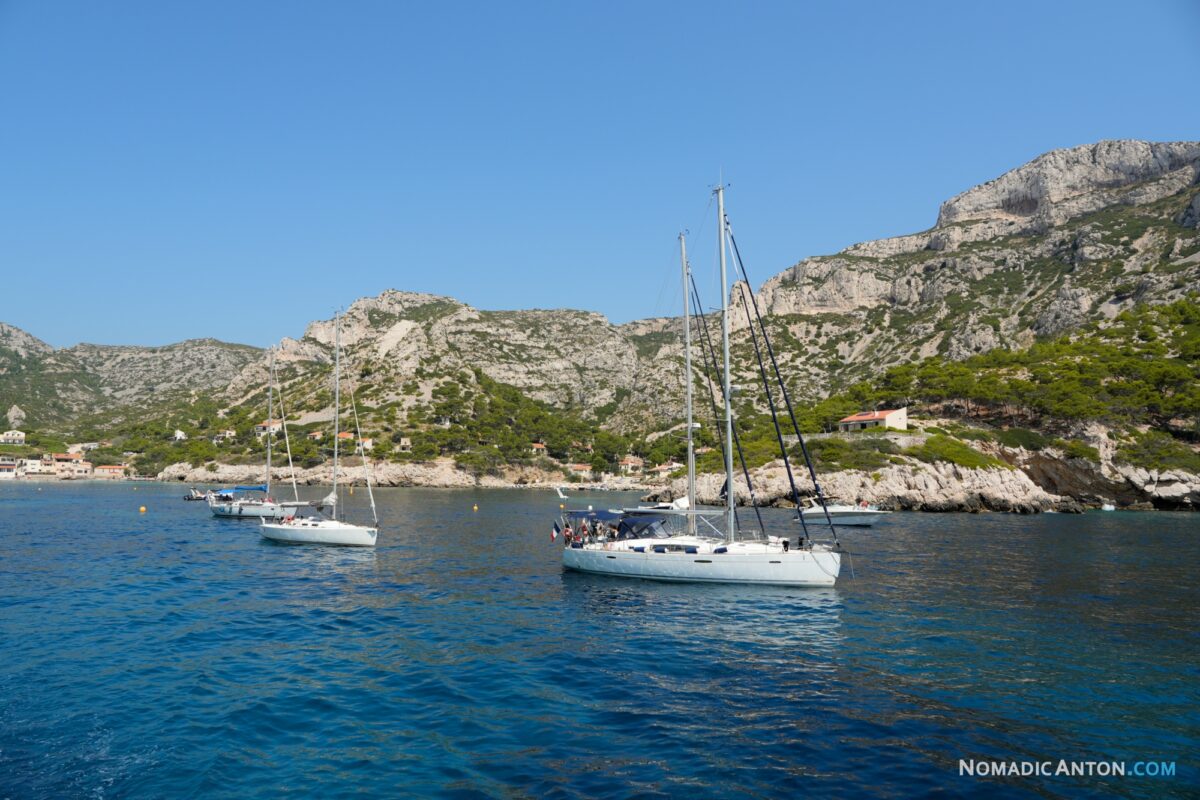
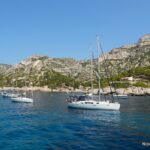
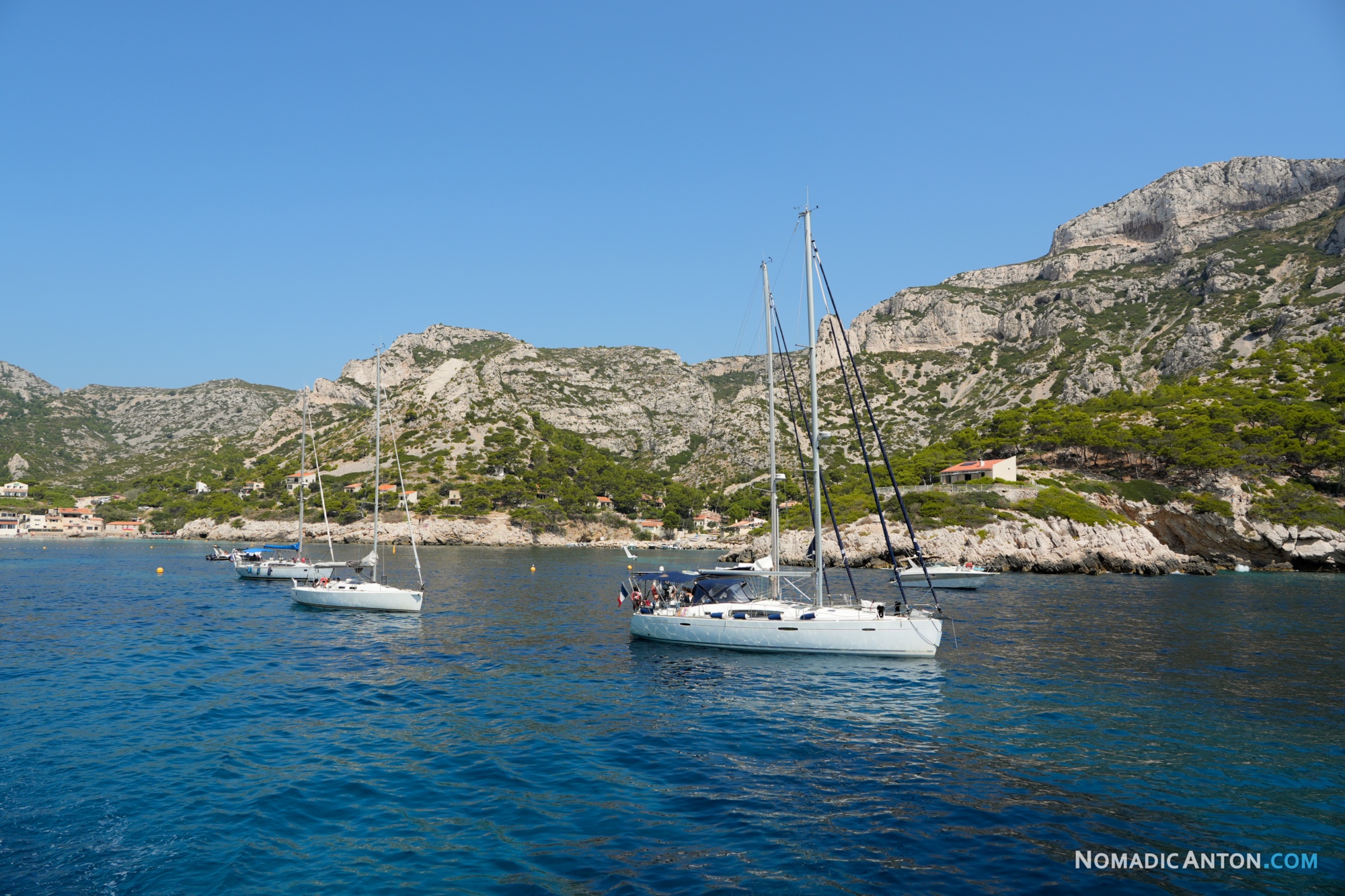
The Calanques were the highlight of my Marseille trip. A calanque is a narrow, rocky inlet surrounded by steep limestone cliffs. Around Marseille, the cliffs and coves form part of Calanques National Park. It was cool to see scenery like this so close to a large city. The white rock, deep blue water and small fishing settlements looked beautiful from the sea.
I took a boat tour from Vieux Port that followed the coastline and entered several calanques, including Sormiou and Morgiou. Marseille soon disappeared behind us. When the boat went between the cliffs, I could really appreciate their size.
Sormiou is one of the wider calanques, with a beach and a small settlement by the water. Morgiou is narrower and has a fishing port inside the cove. Both were beautiful, although I enjoyed the boat trip as a whole more than any particular stop.
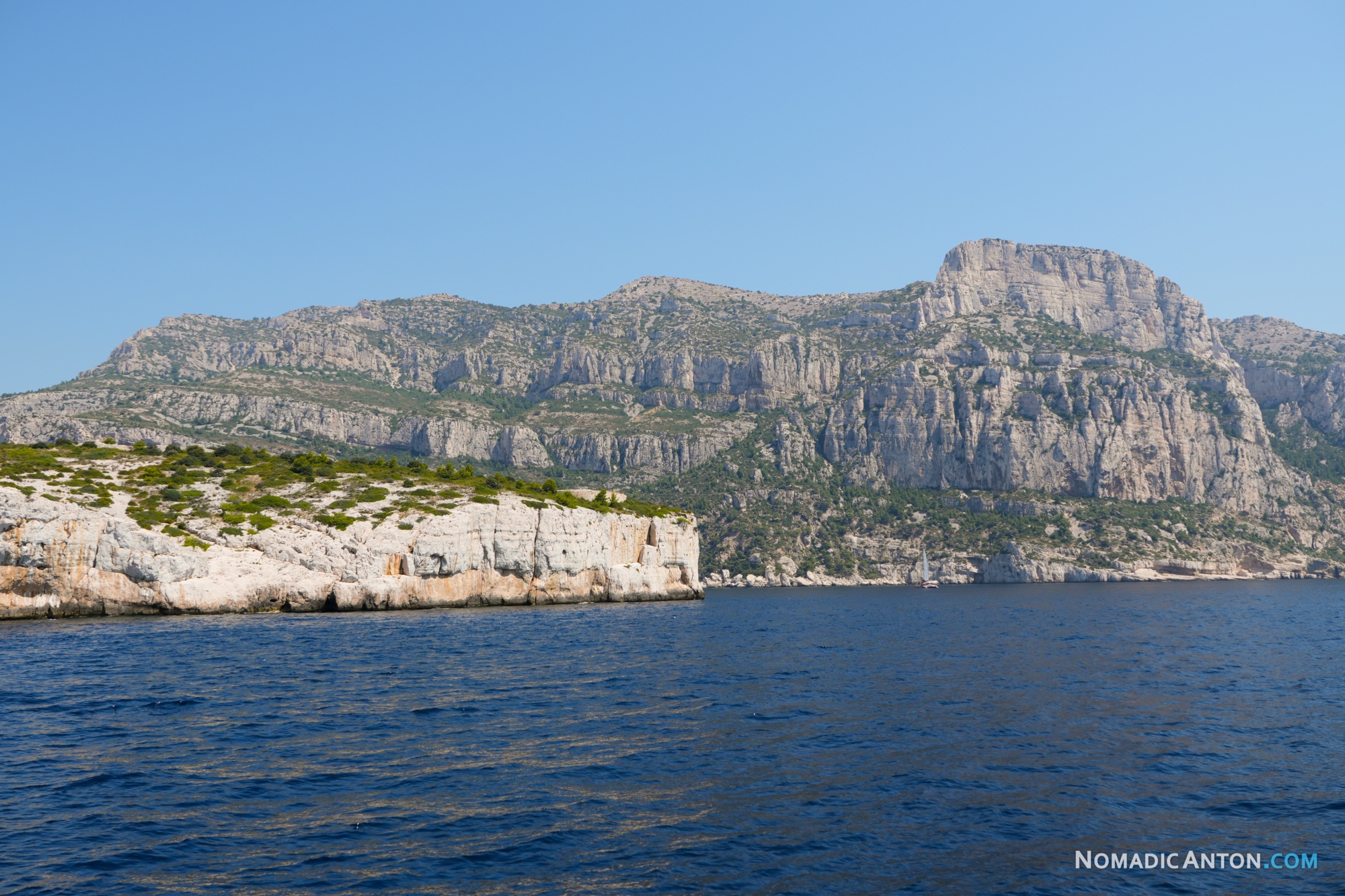
You can also explore the Calanques on foot. There are many trails through the national park, but hiking takes more time and planning. Access can be restricted in summer because of fire risk. With only three days in Marseille, the boat was a good choice for me. In a few hours I saw a large stretch of coast and still had time for other places. I would gladly go again, perhaps on a tour that includes swimming from the boat.
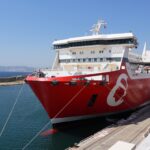
I almost skipped the Frioul Islands, but at the last minute I decided to take a ferry from Vieux Port. The archipelago includes Pomègues, Ratonneau, Tiboulen and If. Château d’If, the fortress made famous by Alexandre Dumas in The Count of Monte Cristo, stands on Île d’If.
I stayed on Frioul for only about two hours because the wind was much stronger there than in Marseille. Away from the ferry pier, there was not much activity. The islands are dry and rocky, with low vegetation, small coves and clear water. I walked along the coast, stopped at a few viewpoints and looked back toward Marseille before taking the ferry back.
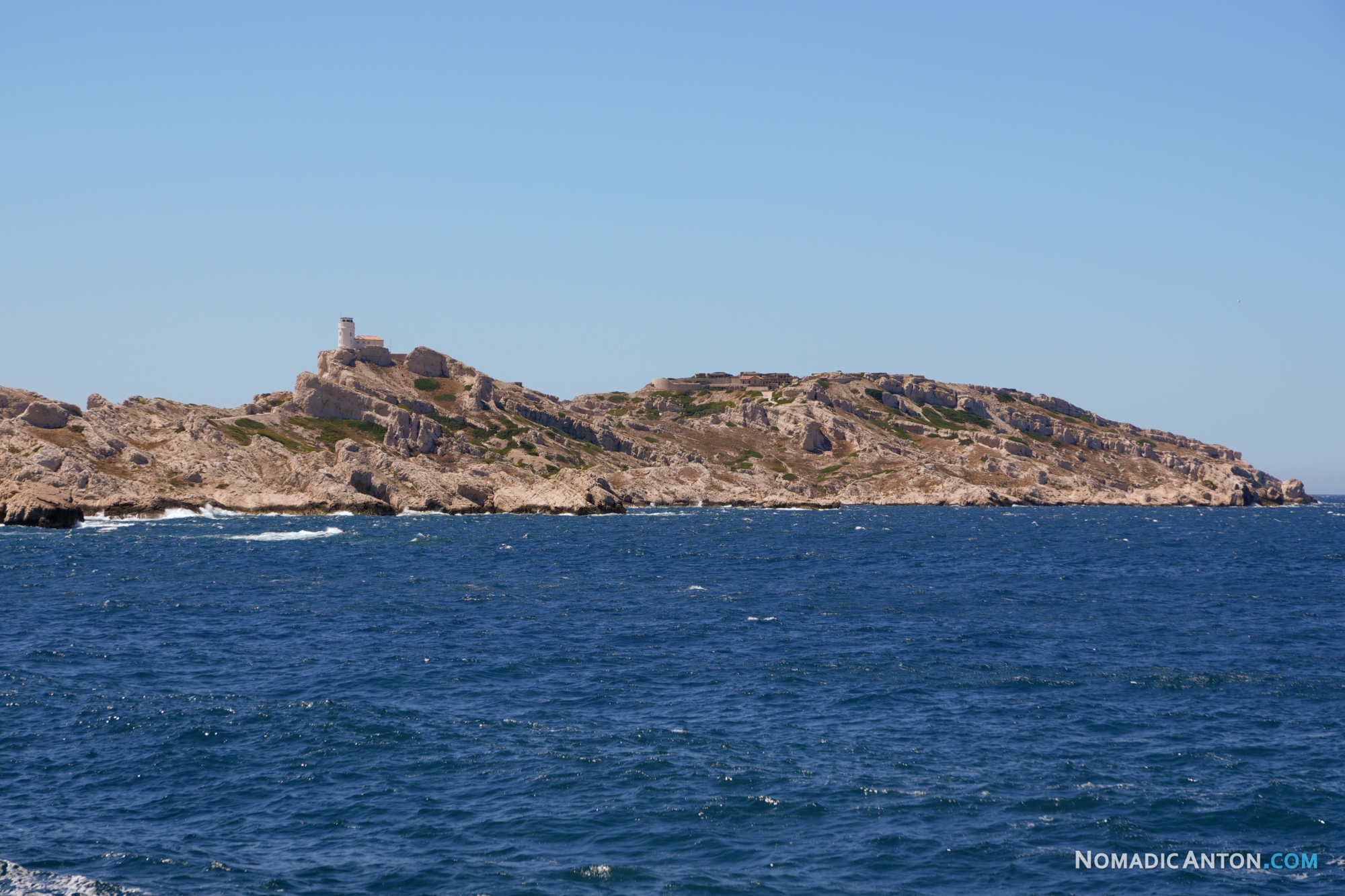
I am glad I went, but if I had to choose between Frioul and the Calanques, I would choose the Calanques easily. Frioul is a nice addition when you have more time in Marseille.
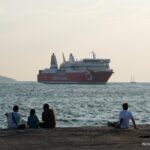
I visited Plage des Catalans, a small sandy beach a short bus ride from Vieux Port with views toward the Frioul Islands. I arrived in the late afternoon and stayed until sunset. For me, it was a good place to spend a few hours by the sea, though I would choose somewhere else for a full beach day.
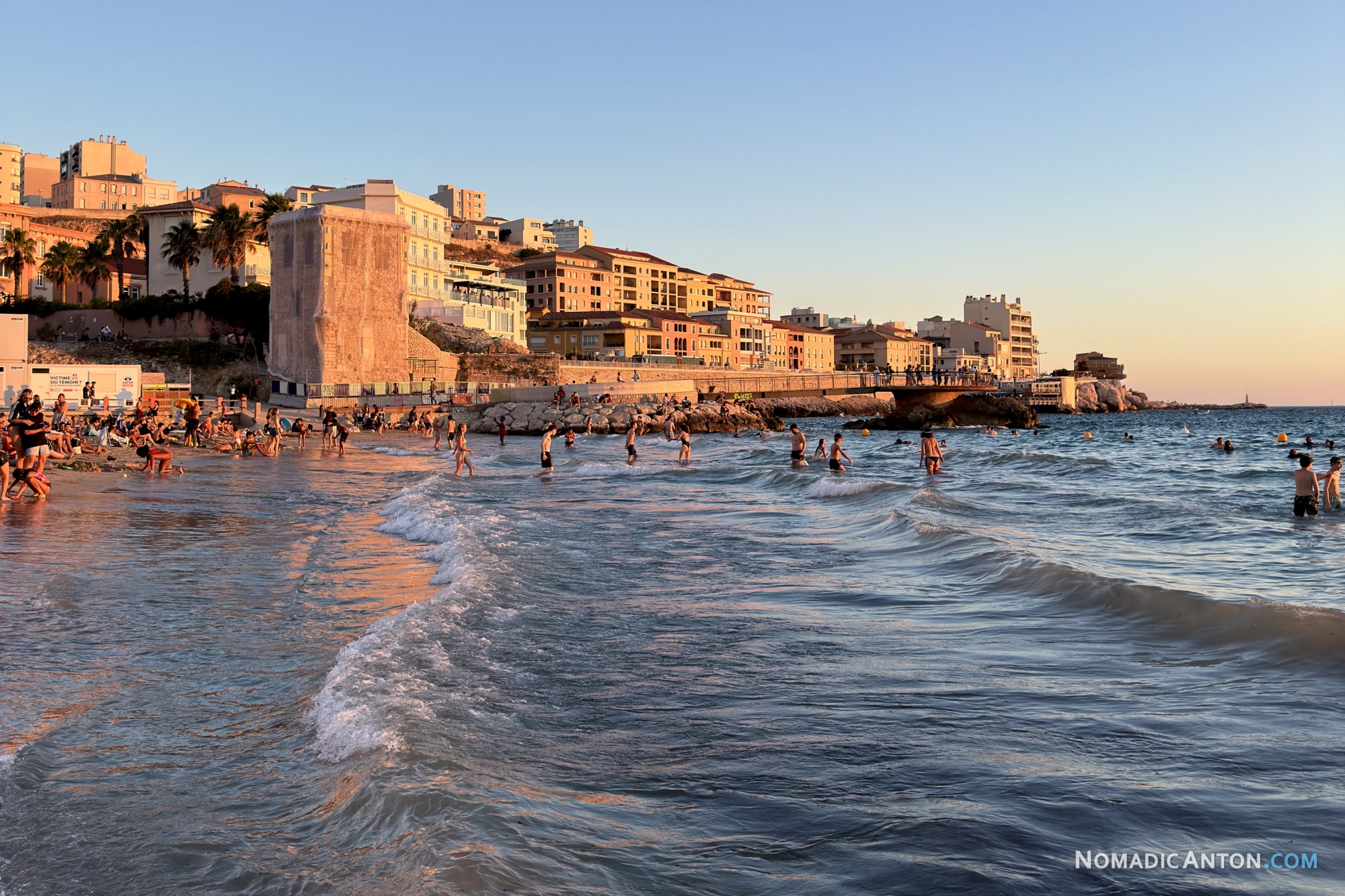
The Prado beaches cover a much larger stretch of the southern coast. Pointe Rouge is another sandy option in that direction, with restaurants and a marina nearby.
There is also Vallon des Auffes, though I would not really call it a beach. It is a small fishing harbor, with houses, seafood restaurants and boats packed around the inlet. I would go there for a walk, dinner or sunset rather than a swim. I barely explored Marseille’s beaches on this trip, so I would like to see more next time.
Before arriving, I knew I wanted to try bouillabaisse. It is probably Marseille’s most famous dish. Traditionally, fishermen made it with several kinds of Mediterranean fish, including some that were difficult to sell at the market. Bouillabaisse is usually served as fish and broth with bread and rouille. It is no longer a cheap fishermen’s meal, and restaurants specializing in it can charge quite a lot. I also ate plenty of other seafood during the trip.
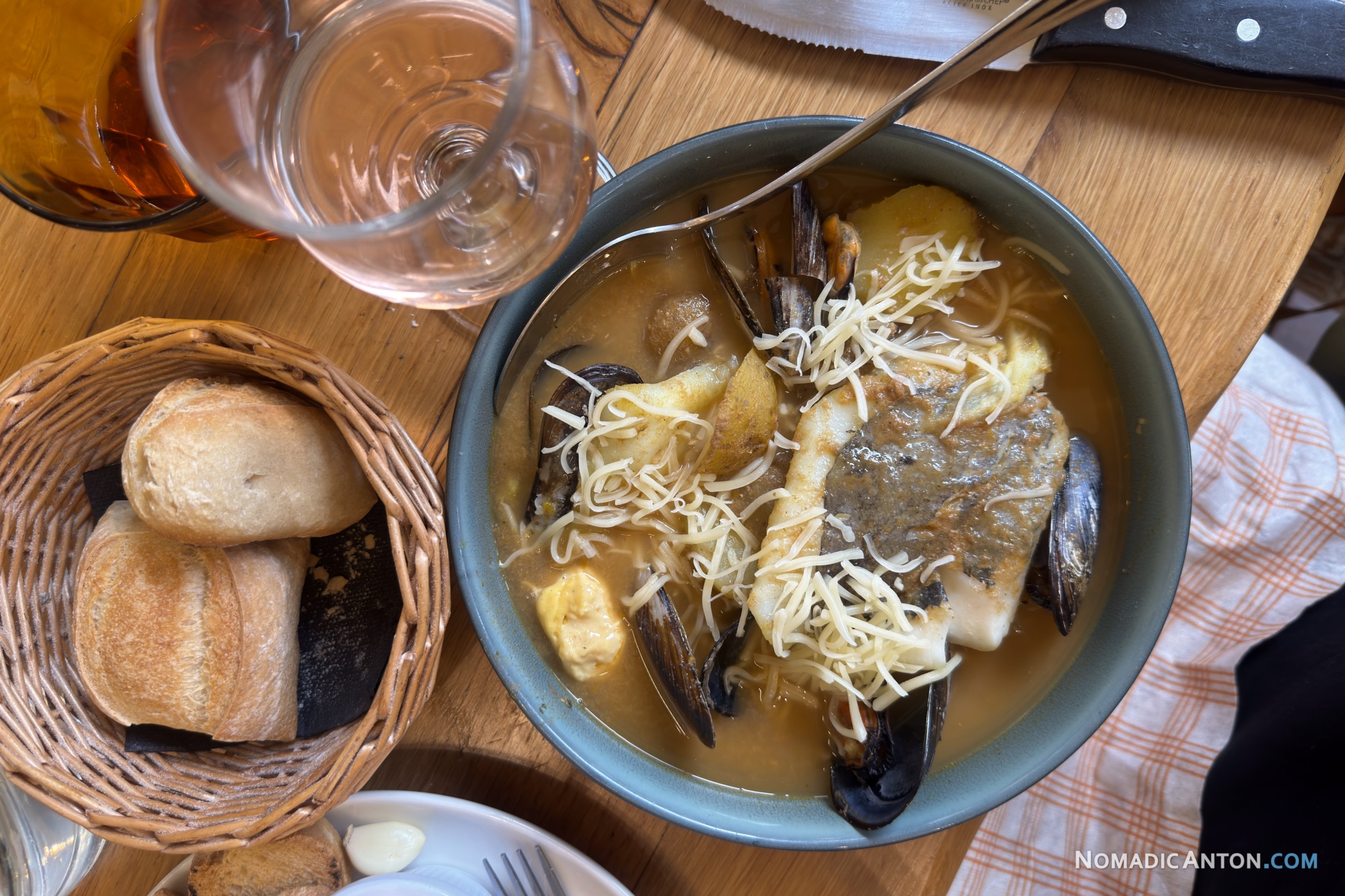
I did not manage to try every local specialty. Panisses are made from chickpea flour and usually fried. They are especially associated with Marseille and L’Estaque. Navettes are dry, boat-shaped biscuits traditionally flavored with orange blossom. There is also pastis, an anise-flavored drink closely associated with Marseille and Provence.
Three days were enough for sightseeing, but apparently I needed more time for food.
Vieux Port, Le Panier, La Major, Mucem and La Joliette are close enough to connect by walking. For places farther away, I used buses and the metro. I liked being able to tap my contactless bank card when boarding instead of buying a ticket each time. For a short visit, I would not rent a car.
I felt safe everywhere I went. I walked around with my camera, used public transport and went out in the evenings without any problems.
I spent most of my time in central Marseille and around the main attractions, so I cannot judge every neighborhood. I kept an eye on my belongings, as I usually do in Paris or any other large city.
I would recommend staying three days for a first visit. A two-day trip is a good option if you stay mostly in the center and choose one boat trip. Trying to fit both the Calanques and Frioul into a weekend would leave little time to enjoy the city. With four days, you could spend a full day at the beach or go hiking instead of seeing the coast only from the water.
If a boat trip is a priority, schedule it early in your stay. That gives you another chance if the weather changes your plans. Check the departure times before arranging the rest of that day, and leave a few hours free to explore without a schedule.
I left Marseille wanting to come back. I had not expected that when I booked the trip.